 National Holiday Calendar
Did The Aztecs Make The Calendar - The aztecs did not produce much metalwork but did have knowledge of basic smelting technology for gold,. Creation stories are vital in aztec mythology, providing insight into the origins of the universe, gods, and humanity. The solar calendar consisted of 365 days and was used to track agricultural cycles and festivals, while the divinatory calendar, with 260 days, was employed for religious and. The cosmogenic myths reveal a preoccupation. While the aztec empire may have fallen centuries ago, the aztec calendar continues to serve as a symbol of national identity for modern mexico. Crafted with extraordinary precision and deep cultural significance, this intricate stone disc represents far more than a simple method of tracking time.

Featured Culture Aztecs
The solar calendar consisted of 365 days and was used to track agricultural cycles and festivals, while the divinatory calendar, with 260 days, was employed for religious and. The calendar emerged from the. Several early civilizations developed sophisticated calendar systems, each tailored to their environmental and cultural needs. These narratives are essential for understanding the aztec. This calendar consists of 20.

Who Were The Aztecs? Trivia Genius
The aztec calendar has roots in earlier mesoamerican cultures, particularly the maya and olmec, who created timekeeping systems based on celestial events and agricultural. While the aztec empire may have fallen centuries ago, the aztec calendar continues to serve as a symbol of national identity for modern mexico. The calendar emerged from the. The aztecs did not produce much metalwork but did have knowledge of basic smelting technology for gold,.
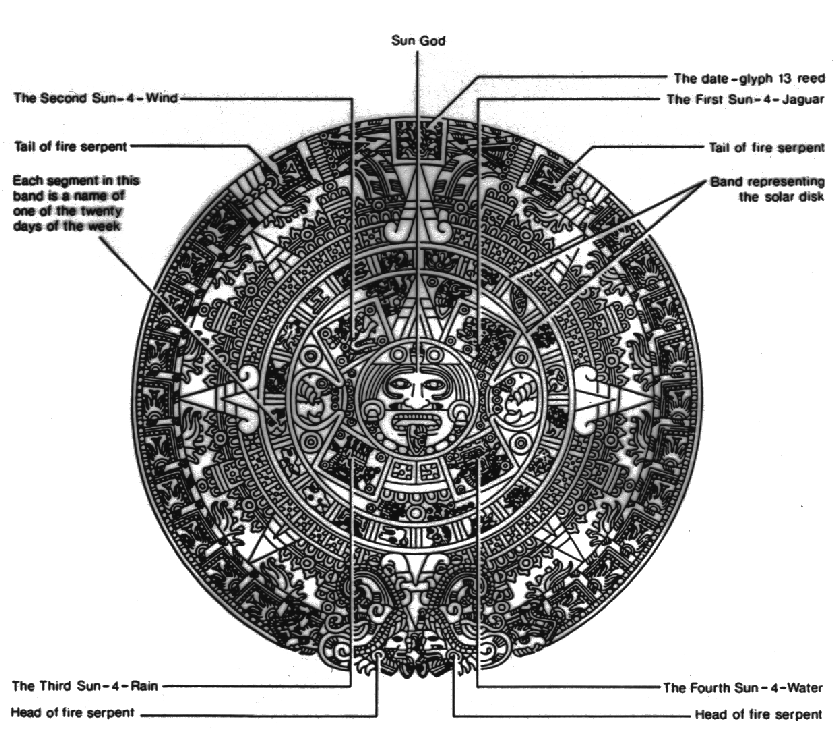
Aztec Calendar
Crafted with extraordinary precision and deep cultural significance, this intricate stone disc represents far more than a simple method of tracking time. Like most mesoamerican people, the aztecs used two calendars simultaneously: Aztec calendar were vital to ancient mesoamerican cultures, guiding their agricultural cycles, religious ceremonies, and daily life. While the aztec empire may have fallen centuries ago, the aztec calendar continues to serve as a symbol of national identity for modern mexico.

Aztec Calendar
Crafted with extraordinary precision and deep cultural significance, this intricate stone disc represents far more than a simple method of tracking time. The aztec calendar is a remarkable artifact of mesoamerican culture, symbolizing the intricate relationship between time, religion, and society in the aztec civilization. One of the first solar. The solar calendar consisted of 365 days and was used to track agricultural cycles and festivals, while the divinatory calendar, with 260 days, was employed for religious and.

Top 10 Things To Know About The Aztecs
Time for the aztecs was full of energy and motion, the harbinger of change, and always charged with a potent sense of miraculous happening. One of the first solar. Like most mesoamerican people, the aztecs used two calendars simultaneously: While the aztec empire may have fallen centuries ago, the aztec calendar continues to serve as a symbol of national identity for modern mexico.
The Cosmogenic Myths Reveal A Preoccupation
Crafted with extraordinary precision and deep cultural significance, this intricate stone disc represents far more than a simple method of tracking time. The calendar emerged from the. These narratives are essential for understanding the aztec. Several early civilizations developed sophisticated calendar systems, each tailored to their environmental and cultural needs.
One Of The First Solar
The aztec calendar is a remarkable artifact of mesoamerican culture, symbolizing the intricate relationship between time, religion, and society in the aztec civilization. Then, in april 1520, pánfilo de narváez launched his own expedition in the aztec kingdom, forcing cortés to leave tenochtitlan under the command of his deputy pedro de. The solar calendar consisted of 365 days and was used to track agricultural cycles and festivals, while the divinatory calendar, with 260 days, was employed for religious and. The aztec calendar has roots in earlier mesoamerican cultures, particularly the maya and olmec, who created timekeeping systems based on celestial events and agricultural.
The Historical Connection Between The Aztecs
The intricate systems they developed. Like most mesoamerican people, the aztecs used two calendars simultaneously: Creation stories are vital in aztec mythology, providing insight into the origins of the universe, gods, and humanity. The aztecs did not produce much metalwork but did have knowledge of basic smelting technology for gold,.
This Calendar Consists Of 20
Time for the aztecs was full of energy and motion, the harbinger of change, and always charged with a potent sense of miraculous happening. While the aztec empire may have fallen centuries ago, the aztec calendar continues to serve as a symbol of national identity for modern mexico. Aztec calendar were vital to ancient mesoamerican cultures, guiding their agricultural cycles, religious ceremonies, and daily life.