 National Holiday Calendar
Gregorian Calendar Vs Lunar Calendar - It consists of twelve months, each corresponding roughly to one. Please use mouse to choose a year (1901 to 2100), the conversion table is in pdf format. Let's take a look at the gregorian and lunar calendar comparison for the year of the dragon in 2024: The original calendar contained 10. Lunar calendars, or lunisolar calendars, keep. The gregorian calendar's months have no.

Hebrew Calendar Vs Gregorian Calendar Velma Lorita
Consequently, every month has the same number of days from year. Learn how the gregorian calendar, a solar calendar based on the julian calendar, is more accurate than the lunar calendar, which is based on the phases of the moon. Unlike its more modern counterpart, the gregorian calendar, the lunar calendar follows a purely lunar cycle. Lunar calendars, or lunisolar calendars, keep.

Hebrew Calendar Vs Gregorian Calendar Velma Lorita
It consists of twelve months, each corresponding roughly to one. The lunar calendar is tied to the moon phases and cycle which yields a year 354 days long. Our present calendar (called the gregorian calendar) is a basically solar calendar that grew from what was originally a lunar calendar used by the romans. Let's take a look at the gregorian and lunar calendar comparison for the year of the dragon in 2024: The gregorian calendar's months have no.

Lunar New Year Vs Gregorian Calendar Calendar Example
The lunar calendar is based on the cycles of the moon and has months of varying lengths, making it around 11 days shorter than the gregorian calendar year. Unlike its more modern counterpart, the gregorian calendar, the lunar calendar follows a purely lunar cycle. It consists of twelve months, each corresponding roughly to one. The lunar calendar is tied to the moon phases and cycle which yields a year 354 days long.
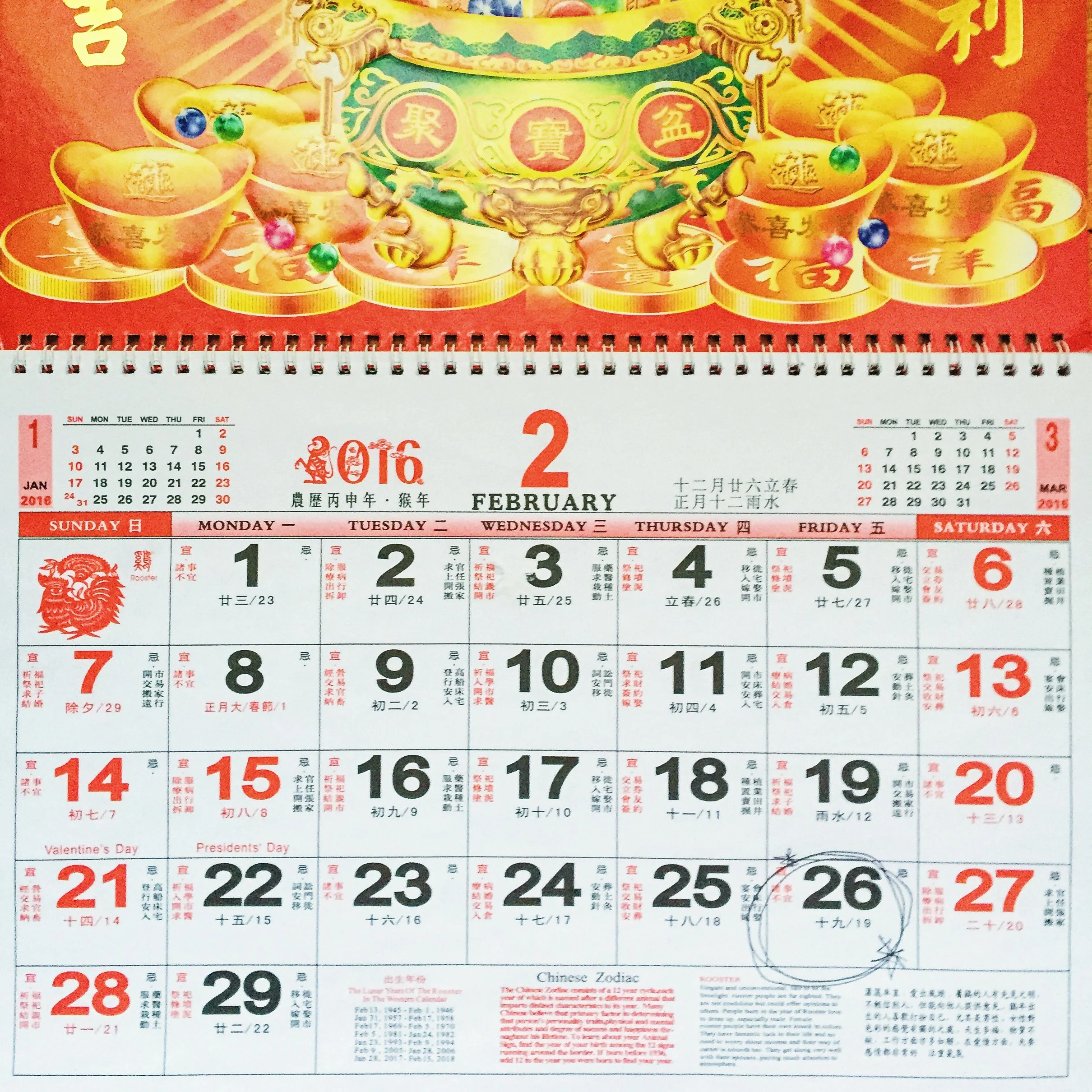
Lunar Calendar Vs Gregorian Calendar
Input any gregorian date and instantly get its corresponding lunar date. The original calendar contained 10. Each lunar month is 29 1/2 days and leap years occur 7 times every 19 years. Consequently, every month has the same number of days from year. Essentially, the lunar calendar is a combination of the solar and lunar calendars, primarily based on the moon's cycle, while also taking into account the earth's orbit around the sun.

Lunar Calendar Vs Gregorian Calendar Prntbl.concejomunicipaldechinu
It consists of twelve months, each corresponding roughly to one. The lunar calendar is tied to the moon phases and cycle which yields a year 354 days long. Unlike its more modern counterpart, the gregorian calendar, the lunar calendar follows a purely lunar cycle. Let's take a look at the gregorian and lunar calendar comparison for the year of the dragon in 2024: The original calendar contained 10.
The Lunar Calendar
The original calendar contained 10. A purely lunar calendar is also. It consists of twelve months, each corresponding roughly to one. Consequently, every month has the same number of days from year.
Each Lunar Month Is 29 1/2 Days And Leap
The gregorian calendar's months have no. Please use mouse to choose a year (1901 to 2100), the conversion table is in pdf format. Let's take a look at the gregorian and lunar calendar comparison for the year of the dragon in 2024: Many people don't know that the western calendar is called gregorian, named after pope gregory xiii, who introduced it in 1582.
The Gregorian Calendar
Learn how the gregorian calendar, a solar calendar based on the julian calendar, is more accurate than the lunar calendar, which is based on the phases of the moon. Input any gregorian date and instantly get its corresponding lunar date. Unlike its more modern counterpart, the gregorian calendar, the lunar calendar follows a purely lunar cycle. Lunar calendars, or lunisolar calendars, keep.
The Lunar Calendar
Essentially, the lunar calendar is a combination of the solar and lunar calendars, primarily based on the moon's cycle, while also taking into account the earth's orbit around the sun. The most commonly used calendar, the gregorian calendar, is a solar calendar system that originally evolved out of a lunar calendar system.