 National Holiday Calendar
Invention Of Calendar - The first measuring of time appeared in 2700 b.c. In fact, for most of history, a calendar and schedule looked significantly different — especially before the invention of the calendar. Greeting card companies invented valentine's day. In 2013, british archaeologists discovered what they consider the world’s oldest calendar, dating back to around 8000 bce. The first known calendar in the world is the bronze age calendar used by the sumerians in mesopotamia around 3100 bc. Before this reform, the julian calendar, introduced by julius caesar in 45 bce, was widely used across europe.

Science And Invention Pulp Covers
The need to track time began with early human civilizations, primarily to. The gregorian calendar was introduced by pope gregory xiii in 1582 as a reform of the julian calendar. This article examines the history and development of calendars from ancient to modern times, exploring the science behind their invention and the impact they have had on various cultures. The prehistoric calendar, located at warren field in scotland, consists of 12 pits believed to have contained wooden posts representing months of the year.

Vintage Antique Scientist American Invention Calendar Zazzle
In 2013, british archaeologists discovered what they consider the world’s oldest calendar, dating back to around 8000 bce. The need to track time began with early human civilizations, primarily to. The roman calendar was a lunar one comprising ten. In fact, for most of history, a calendar and schedule looked significantly different — especially before the invention of the calendar.

Vintage Antique Scientist American Invention Calendar Zazzle
The names of months of the modern day calendar have been derived from the roman calendar. Keep reading for some fun facts about timekeeping throughout the world’s history. It consisted of 12 months with 29 or 30 days each, resulting in a year of 354 or 355 days. The first known calendar in the world is the bronze age calendar used by the sumerians in mesopotamia around 3100 bc.

The Invention Of The Calendar And Its Use Throughout
Greeting card companies invented valentine's day. Let’s explore how the calendar evolved and how the gregorian system came to be. Interviews with experts are also included. The first measuring of time appeared in 2700 b.c. The need to track time began with early human civilizations, primarily to.
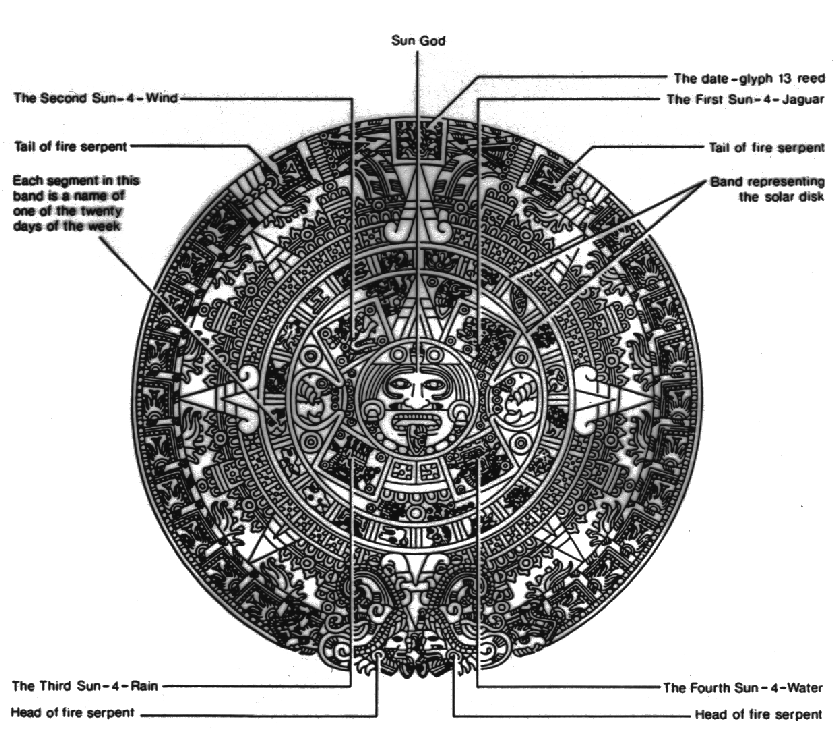
Aztec Calendar
Greeting card companies invented valentine's day. In fact, for most of history, a calendar and schedule looked significantly different — especially before the invention of the calendar. The calendar that we use today originated from the roman calendar dated 753 bc. Let’s explore how the calendar evolved and how the gregorian system came to be. In 2013, british archaeologists discovered what they consider the world’s oldest calendar, dating back to around 8000 bce.
The Names Of Months Of The Modern Day Calendar
Keep reading for some fun facts about timekeeping throughout the world’s history. In fact, for most of history, a calendar and schedule looked significantly different — especially before the invention of the calendar. The prehistoric calendar, located at warren field in scotland, consists of 12 pits believed to have contained wooden posts representing months of the year. The calendar that we use today originated from the roman calendar dated 753 bc.
The Roman Calendar Was A Lunar One Comprising Ten
The first measuring of time appeared in 2700 b.c. One of the first solar calendars, designed to align with the annual flooding of the nile. The gregorian calendar was introduced by pope gregory xiii in 1582 as a reform of the julian calendar. The earliest egyptian calendar was based on the moon's cycles, but later the egyptians realized that the dog star in canis major, which is now called sirius, rose next to the sun every 365 days, about when the annual inundation of the nile began.
Greeting Card Companies Invented Valentine's Day
This article examines the history and development of calendars from ancient to modern times, exploring the science behind their invention and the impact they have had on various cultures. It consisted of 12 months with 29 or 30 days each, resulting in a year of 354 or 355 days. Interviews with experts are also included. Let’s explore how the calendar evolved and how the gregorian system came to be.
The First Known Calendar In The World
The earliest calendars date back to the bronze age with civilisations in the near east region, such as the babylonians and persians, being among the first to record time by using natural cycles including days, lunar cycles (months), and solar cycles (years). In 2013, british archaeologists discovered what they consider the world’s oldest calendar, dating back to around 8000 bce. Before this reform, the julian calendar, introduced by julius caesar in 45 bce, was widely used across europe. The need to track time began with early human civilizations, primarily to.