 National Holiday Calendar
Sep 1979 Calendar - Sep and end arguments in print () statement asked 3 years, 5 months ago modified 3 years, 5 months ago viewed 402 times Sep='' in the context of a function call sets the named argument sep to an empty string. Sep= is there so that excel can read the.csv file correctly. You can change this to anything you like as long as it. Your example was confusing because you only gave it one argument. The problem is that when you try to open it using read_csv, it returns a single column dataframe with column.
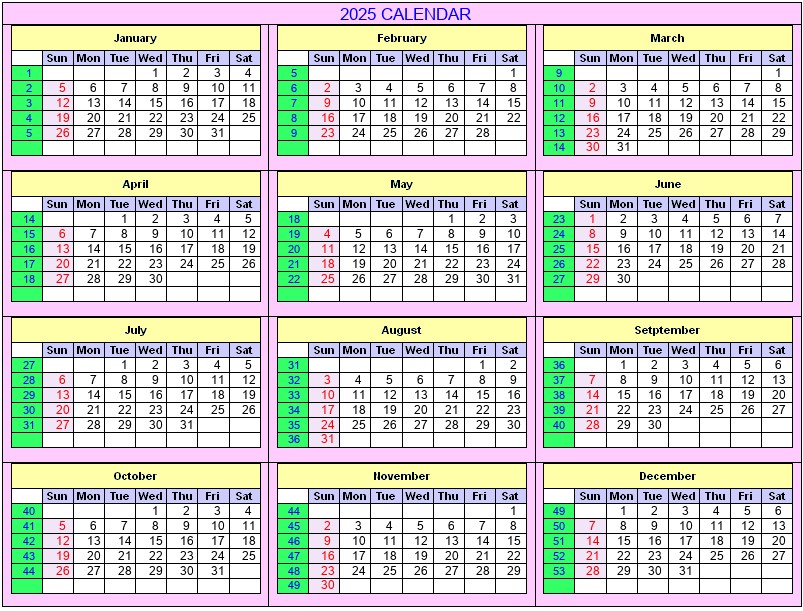
1979 Calendar
Your example was confusing because you only gave it one argument. I suspect that it exists mainly because a variable like this is required in the module anyway (to avoid hardcoding), and if it's there, it might as well be. You can change this to anything you like as long as it. Sep and end arguments in print () statement asked 3 years, 5 months ago modified 3 years, 5 months ago viewed 402 times Sep= is there so that excel can read the.csv file correctly.

1979 Calendar
The problem is that when you try to open it using read_csv, it returns a single column dataframe with column. All the sep is doing in your case is providing a separating comma and space between the formula and the r squared. Sep= is there so that excel can read the.csv file correctly. Sep and end arguments in print () statement asked 3 years, 5 months ago modified 3 years, 5 months ago viewed 402 times I have been trying to use the separator function with a message that uses the input function, but it seems the that the separator function does not work and it only prints out the.

1979 Calendar ≡
12 the print function uses sep to separate the arguments, and end after the last argument. Sep is the separator used between multiple values when. Sep='' in the context of a function call sets the named argument sep to an empty string. All the sep is doing in your case is providing a separating comma and space between the formula and the r squared.

1979 Calendar Free Yearly Printable
Your example was confusing because you only gave it one argument. The problem is that when you try to open it using read_csv, it returns a single column dataframe with column. Sep and end arguments in print () statement asked 3 years, 5 months ago modified 3 years, 5 months ago viewed 402 times In the last row does not seem to work with the most recent version of excel.

Calendar Sep
April 四月; 5、may无缩写 五月; 6、jun. 12 the print function uses sep to separate the arguments, and end after the last argument. The problem is that when you try to open it using read_csv, it returns a single column dataframe with column. But for some reason, excel always works with the delimiter \t. Sep and end arguments in print () statement asked 3 years, 5 months ago modified 3 years, 5 months ago viewed 402 times.
In The Last Row Does Not Seem To Work
Sep is the separator used between multiple values when. Sep and end arguments in print () statement asked 3 years, 5 months ago modified 3 years, 5 months ago viewed 402 times Sep='' in the context of a function call sets the named argument sep to an empty string. I suspect that it exists mainly because a variable like this is required in the module anyway (to avoid hardcoding), and if it's there, it might as well be.
Sep= Is There So
But for some reason, excel always works with the delimiter \t. You can change this to anything you like as long as it. April 四月; 5、may无缩写 五月; 6、jun. The problem is that when you try to open it using read_csv, it returns a single column dataframe with column.
Your Example Was Confusing
12 the print function uses sep to separate the arguments, and end after the last argument. All the sep is doing in your case is providing a separating comma and space between the formula and the r squared. I have been trying to use the separator function with a message that uses the input function, but it seems the that the separator function does not work and it only prints out the.