 Cat Health Resources
Anisocoria In Cats - Learn about its causes and when to seek medical care. Anisocoria is unequal pupil size. Learn about the causes, dangers, and treatment of this condition. Anisocoria cannot make you go blind. It gets larger in dim light and smaller in bright light. The pupil allows light to enter the eye so that you can see.

Anisocoria In Cats Causes, Treatment & Outlook
Anisocoria is when your eye’s pupils are not the same size. Anisocoria is the medical term for one of your pupils being bigger than the other. The pupil allows light to enter the eye so that you can see. Learn about the causes, dangers, and treatment of this condition. Anisocoria (unequal pupil sizes) can be harmless, but it can also signal a serious medical issue.
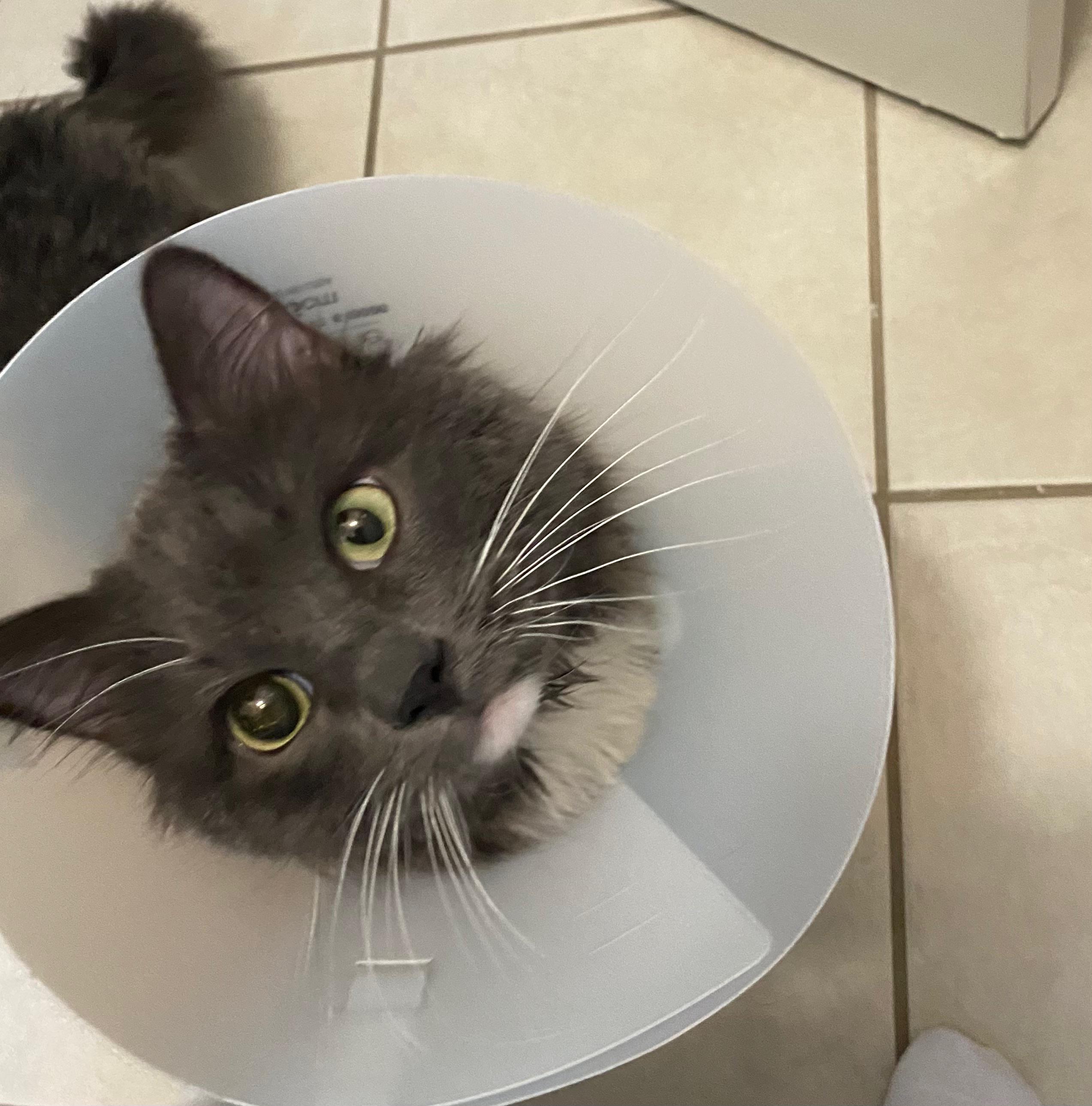
Anisocoria In Cats
Anisocoria is the medical term for one of your pupils being bigger than the other. Anisocoria is when the pupils of your eyes are unequal in size. Though many causes of anisocoria are benign and some people only notice some blurry vision and/or light sensitivity, it can be a sign of a serious and potentially life. Anisocoria (unequal pupil sizes) can be harmless, but it can also signal a serious medical issue.

Anyone can have pupils that differ in size with no problems. Anisocoria is the medical term for one of your pupils being bigger than the other. It gets larger in dim light and smaller in bright light. When a patient presents with anisocoria, the fear of a serious condition, such as an intracranial aneurysm, often leads clinicians to obtain numerous tests, which are not always necessary.

Anisocoria In Cats North Toronto Cat Rescue
The pupil allows light to enter the eye so that you can see. Anyone can have pupils that differ in size with no problems. Anisocoria is unequal pupil size. Disease entity disease anisocoria indicates unequal pupil sizes. Learn about the causes, dangers, and treatment of this condition.

Anisocoria In Cats
Anisocoria is unequal pupil size. The pupil allows light to enter the eye so that you can see. It gets larger in dim light and smaller in bright light. Though many causes of anisocoria are benign and some people only notice some blurry vision and/or light sensitivity, it can be a sign of a serious and potentially life. The pupil is the black part in the center of the eye.
Anisocoria (Unequal Pupil Sizes) Can Be Harmless
Learn about the causes, dangers, and treatment of this condition. Learn about its causes and when to seek medical care. It gets larger in dim light and smaller in bright light. Anisocoria is unequal pupil size.
Anisocoria Is When The Pupils Of Your Eyes
Though many causes of anisocoria are benign and some people only notice some blurry vision and/or light sensitivity, it can be a sign of a serious and potentially life. Uneven pupil size, or anisocoria, may be a normal variation in a person’s eyes or may. When a patient presents with anisocoria, the fear of a serious condition, such as an intracranial aneurysm, often leads clinicians to obtain numerous tests, which are not always necessary. Anyone can have pupils that differ in size with no problems.
Anisocoria Is When Your Eye’s Pupils
The pupil allows light to enter the eye so that you can see. The pupil is the black part in the center of the eye. In the mirror, the pupil of the eye appears as a black circle in the middle of the iris (the colored part of the eye). Disease entity disease anisocoria indicates unequal pupil sizes.
Anisocoria Is The Medical Term For One
Anisocoria cannot make you go blind.