 Cat Health Resources
Are Aloe Plants Toxic To Cats - If lots of the plant is eaten, this can. The aloe vera plant is toxic to cats and if they nibble on the leaves, they will ingest the latex produced and suffer from diarrhea and stomach cramps. You might be wondering, are aloe plants poisonous to cats? Learn why aloe causes vomiting, diarrhea, and lethargy, what symptoms to watch for, and what to do if your cat chews the plant. Aloe is believed to be mild to moderately toxic to cats. The toxins in true aloe include anthracene, glycosides, and anthraquinones.
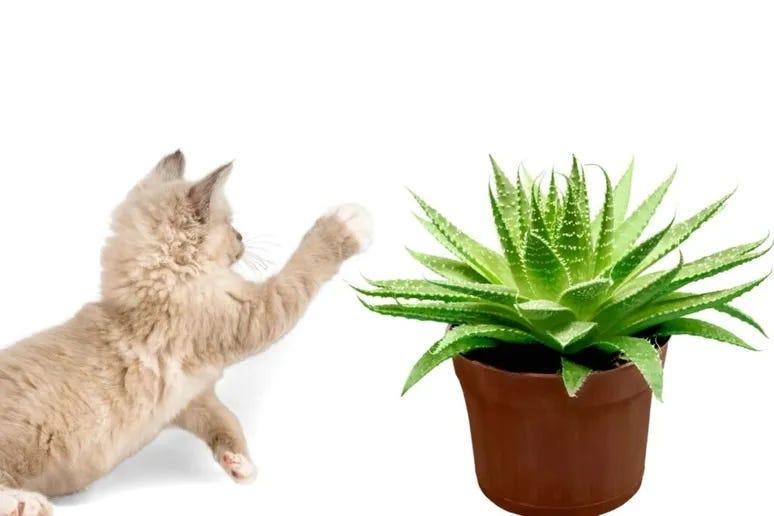
Is Aloe Toxic To Cats
You might be wondering, are aloe plants poisonous to cats? Yes, aloe vera plants are toxic to cats. Aloe is believed to be mild to moderately toxic to cats. Aloe plants contain a variety of compounds, including anthraquinones, which can be toxic to cats. The aloe vera plant is toxic to cats and if they nibble on the leaves, they will ingest the latex produced and suffer from diarrhea and stomach cramps.
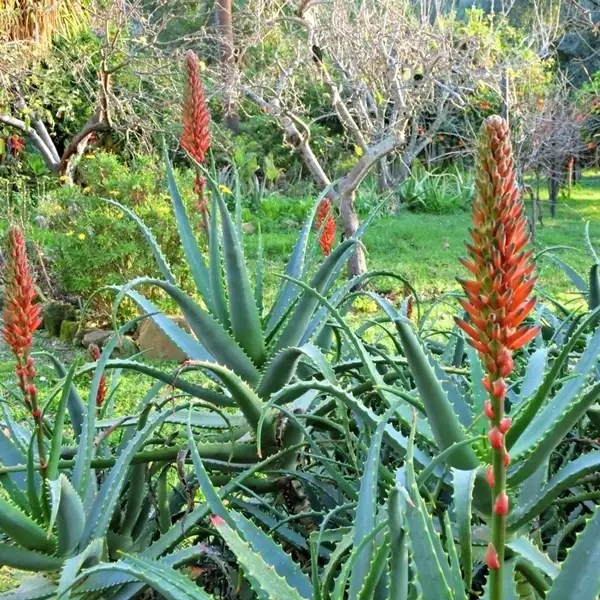
Plants Toxic To Cats
You might be wondering, are aloe plants poisonous to cats? This common succulent, praised for its human health. Aloin is a natural laxative that can cause vomiting, diarrhea,. Aloe plants contain a variety of compounds, including anthraquinones, which can be toxic to cats. Aloe is used by humans for medicinal purposes, but if true aloe is ingested by small animals, including cats, it has toxic effects.

Is Aloe Toxic To Cats
If a cat chews on or eats aloe leaves, it may. Aloe plants contain a variety of compounds, including anthraquinones, which can be toxic to cats. Yes, aloe vera plants are toxic to cats. These compounds can cause a range of symptoms, from mild gastrointestinal upset to. Aloe vera contains a substance called aloin, which can be toxic to cats if ingested in large amounts.

Plants Toxic To Cats
Yes, aloe vera plants are toxic to cats. While aloe vera offers health benefits to people, the plant contains compounds like saponins and anthraquinones that are toxic to cats. Learn why aloe causes vomiting, diarrhea, and lethargy, what symptoms to watch for, and what to do if your cat chews the plant. This common succulent, praised for its human health.

Is Aloe Toxic To Cats
The short answer is yes, aloe vera can be potentially harmful to pets. Aloe is used by humans for medicinal purposes, but if true aloe is ingested by small animals, including cats, it has toxic effects. Verifying that you are not a robot. It can cause signs like vomiting, diarrhea, lethargy, depression, tremors, refusal to eat, and changes in urine color.
Yes, Aloe Vera Plants Are Toxic To Cats
Is an aloe vera plant poisonous to cats? If a cat chews on or eats aloe leaves, it may. Aloin is a natural laxative that can cause vomiting, diarrhea,. If lots of the plant is eaten, this can.
Verifying That You Are Not A Robot
These compounds can cause a range of symptoms, from mild gastrointestinal upset to. Aloe plants contain a variety of compounds, including anthraquinones, which can be toxic to cats. The aloe vera plant is toxic to cats and if they nibble on the leaves, they will ingest the latex produced and suffer from diarrhea and stomach cramps. Learn why aloe causes vomiting, diarrhea, and lethargy, what symptoms to watch for, and what to do if your cat chews the plant.
The Toxins In True Aloe Include Anthracene
Aloe is believed to be mild to moderately toxic to cats. This common succulent, praised for its human health. It can cause signs like vomiting, diarrhea, lethargy, depression, tremors, refusal to eat, and changes in urine color. Aloe vera is toxic to cats.
The Short Answer Is Yes
Aloe vera contains a substance called aloin, which can be toxic to cats if ingested in large amounts. While aloe vera offers health benefits to people, the plant contains compounds like saponins and anthraquinones that are toxic to cats. The sap contains saponins, anthracene, and other compounds that can cause vomiting, diarrhea, lethargy, and loss of appetite in felines. Aloe is used by humans for medicinal purposes, but if true aloe is ingested by small animals, including cats, it has toxic effects.