 Cat Health Resources
Bird Flu And Cats - Human respiratory system, the system in humans that takes up oxygen and expels carbon dioxide. The respiratory tract has two major divisions: All the cells in your. The respiratory system (also respiratory apparatus, ventilatory system) is a biological system consisting of specific organs and structures used for gas exchange in animals and plants. The respiratory system, also called the pulmonary system, consists of several organs that function as a whole to oxygenate the body through the process of respiration (breathing). The respiratory system starts at the nose and mouth and continues through the airways and the lungs.

Bird Flu Nyc 2 Cats Infected With H5 Avian
Its main function is to breathe in oxygen. Air enters the respiratory system through the nose and mouth and passes down the throat (pharynx). The respiratory system is made up of the organs included in the exchange of oxygen and carbon dioxide. The respiratory tract has two major divisions: The respiratory system starts at the nose and mouth and continues through the airways and the lungs.

Cats And People
The major organs of the respiratory system include the nose, pharynx, larynx,. Its main function is to breathe in oxygen. Your respiratory system is made up of your lungs, airways (trachea, bronchi and bronchioles), diaphragm, voice box, throat, nose and mouth. The respiratory system is made up of the organs included in the exchange of oxygen and carbon dioxide. Air enters the respiratory system through the nose and mouth and passes down the throat (pharynx).

Cats & Avian Flu (H5N1) All Care Veterinary Network
The respiratory system is made up of the organs included in the exchange of oxygen and carbon dioxide. What is the respiratory system? Its main function is to breathe in oxygen. Human respiratory system, the system in humans that takes up oxygen and expels carbon dioxide. The upper respiratory tract and the lower.
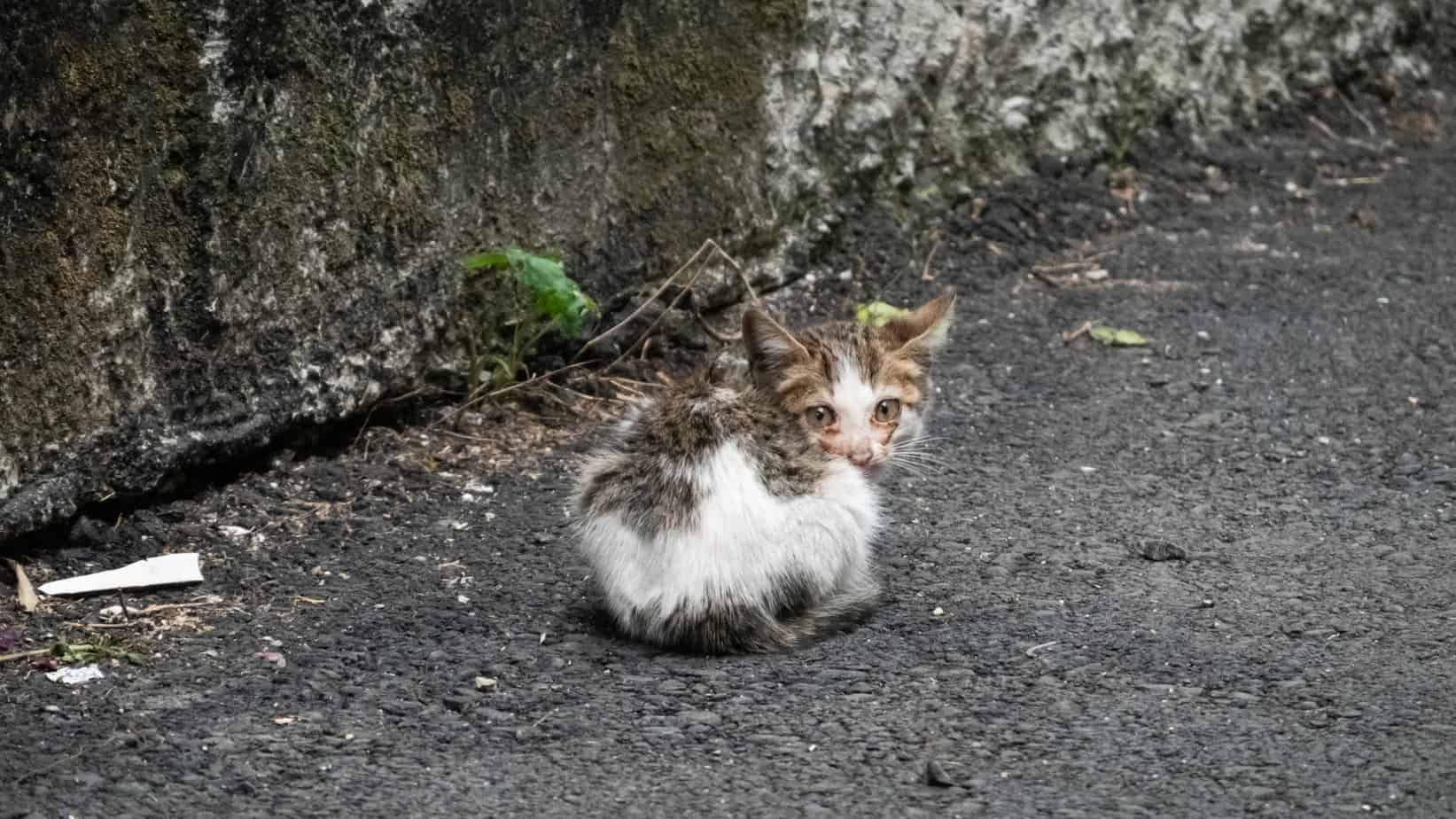
Bird Flu In Cats
The respiratory system is divided into two areas: The respiratory system starts at the nose and mouth and continues through the airways and the lungs. In this journey, we’ll explore the respiratory system in its entirety—from anatomy and physiology to the microscopic dance of gas exchange, and from its developmental roots in the womb. The respiratory system (also respiratory apparatus, ventilatory system) is a biological system consisting of specific organs and structures used for gas exchange in animals and plants.

Avian Bird Flu Outbreak Among House Cats
The respiratory system, also called the pulmonary system, consists of several organs that function as a whole to oxygenate the body through the process of respiration (breathing). The organs of the respiratory system form a continuous system of passages, called the respiratory tract, through which air flows into and out of the body. What is the respiratory system? Its main function is to breathe in oxygen.
The Organs Of The Respiratory System Form A Continuous
The respiratory system starts at the nose and mouth and continues through the airways and the lungs. The upper respiratory tract and the lower. Get a diagram, learn about the functions of the respiratory system, and see its organs. Human respiratory system, the system in humans that takes up oxygen and expels carbon dioxide.
The Respiratory System (Also Respiratory Apparatus
Learn about the human respiratory system. Its main function is to breathe in oxygen. All the cells in your. What is the respiratory system?
The Respiratory System Is Divided Into Two Areas
The respiratory tract has two major divisions: The major organs of the respiratory system include the nose, pharynx, larynx,. The respiratory system, also called the pulmonary system, consists of several organs that function as a whole to oxygenate the body through the process of respiration (breathing). Your respiratory system is made up of your lungs, airways (trachea, bronchi and bronchioles), diaphragm, voice box, throat, nose and mouth.
The Respiratory System Is Made Up Of The Organs
The respiratory system is the organs and other parts of your body involved in breathing, when you exchange oxygen and carbon dioxide. Air enters the respiratory system through the nose and mouth and passes down the throat (pharynx). In this journey, we’ll explore the respiratory system in its entirety—from anatomy and physiology to the microscopic dance of gas exchange, and from its developmental roots in the womb.