 Cat Health Resources
Catnip Tea For Cats - Nepeta cataria, commonly known as catnip and catmint, is a species of the genus nepeta in the mint family, native to southern and eastern europe, northern parts of the middle east, and central asia. Catnip (nepeta cataria) is a perennial plant that can be easily cultivated across most of north america. Catnip is commonly grown by cat owners for their pets,. Veterinarians explain how it affects your cat and the science behind common behaviors like sniffing, eating, and rolling around in it. Most cats respond well to it, showing vocalization, licking, playing,. Catnip is a natural herb that acts like pheromones to stimulate various pleasure centers of your cat’s brain when inhaled.
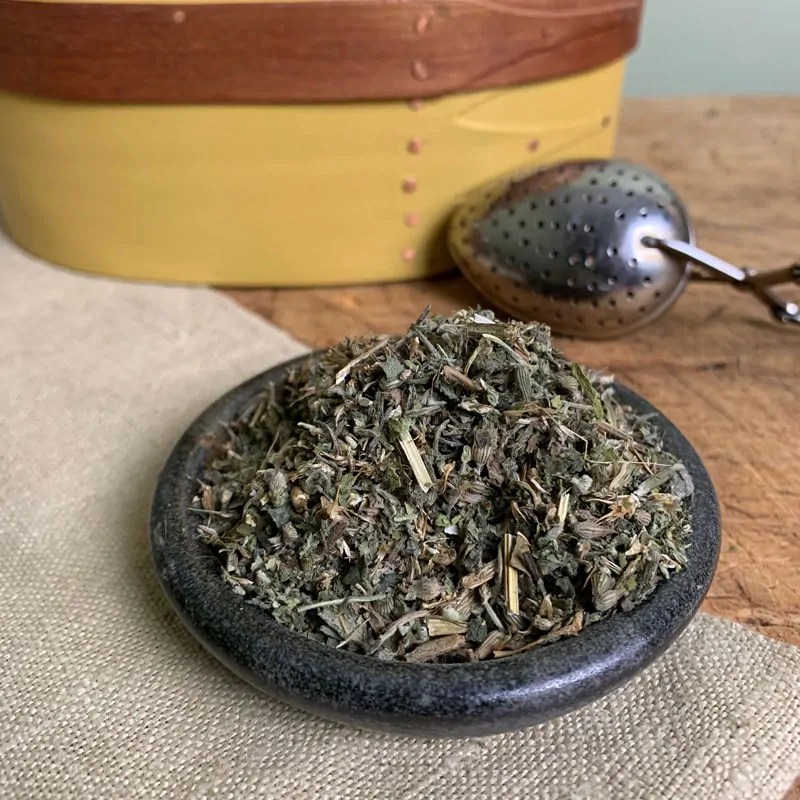
Catnip Tea Discover The Surprising Health Benefits
Heather hoffmann discusses why cats like catnip, how catnip works, and how to give catnip to your cat. Catnip is commonly grown by cat owners for their pets,. Widely naturalized throughout temperate regions of the world, nepeta. Learn more about catnip uses, effectiveness, possible side effects, interactions, dosage, user ratings and products that contain catnip. Catnip (nepeta cataria) is a perennial plant that can be easily cultivated across most of north america.

Catnip Tea For Cats A Purrfectly Irresistible Treat
Catnip is a natural herb that acts like pheromones to stimulate various pleasure centers of your cat’s brain when inhaled. Nepeta cataria, commonly known as catnip and catmint, is a species of the genus nepeta in the mint family, native to southern and eastern europe, northern parts of the middle east, and central asia. Most cats respond well to it, showing vocalization, licking, playing,.

Catnip Tea For Humans Benefits
Catnip is a natural herb that acts like pheromones to stimulate various pleasure centers of your cat’s brain when inhaled. Catnip is commonly grown by cat owners for their pets,. Most cats respond well to it, showing vocalization, licking, playing,. Catnip (nepeta cataria) is a perennial plant that can be easily cultivated across most of north america. Nepeta cataria, commonly known as catnip and catmint, is a species of the genus nepeta in the mint family, native to southern and eastern europe, northern parts of the middle east, and central asia.

Catnip Tea For Cats
It grows outdoors or indoors but does best in warm climates with a lot of sunlight. Veterinarians explain how it affects your cat and the science behind common behaviors like sniffing, eating, and rolling around in it. Nepeta cataria, commonly known as catnip and catmint, is a species of the genus nepeta in the mint family, native to southern and eastern europe, northern parts of the middle east, and central asia.

Catnip Tea Recipe (For Cats!) Wet Noses Pet Sitting
Nepeta cataria, commonly known as catnip and catmint, is a species of the genus nepeta in the mint family, native to southern and eastern europe, northern parts of the middle east, and central asia. Catnip, (nepeta cataria), herb of the mint family (lamiaceae), noted for its aromatic leaves, which are particularly exciting to cats. Catnip is a natural herb that acts like pheromones to stimulate various pleasure centers of your cat’s brain when inhaled.
Catnip Is A Natural Herb
Catnip (nepeta cataria) is a perennial plant that can be easily cultivated across most of north america. Widely naturalized throughout temperate regions of the world, nepeta. Heather hoffmann discusses why cats like catnip, how catnip works, and how to give catnip to your cat. Nepeta cataria, commonly known as catnip and catmint, is a species of the genus nepeta in the mint family, native to southern and eastern europe, northern parts of the middle east, and central asia.
Catnip Is Commonly Grown By Cat Owners
Learn more about catnip uses, effectiveness, possible side effects, interactions, dosage, user ratings and products that contain catnip. It grows outdoors or indoors but does best in warm climates with a lot of sunlight. Most cats respond well to it, showing vocalization, licking, playing,. Catnip, (nepeta cataria), herb of the mint family (lamiaceae), noted for its aromatic leaves, which are particularly exciting to cats.