 Cat Health Resources
Cats Eye Nebula - The cat's eye nebula, also known as ngc 6543, is a visual fossil record of the dynamics and late evolution of a dying star. It was the cat’s eye nebula itself where this fact was first discovered in 1864 — examining the spectrum of its light reveals the emission from individual molecules that’s characteristic of a gas,. Though primarily designed to map the distant universe, euclid captured the cat’s eye nebula as part of its deep imaging surveys. This is a hubble image of one of the most visually intricate remnants of a dying star—the cat’s eye nebula, also known as ngc 6543. It is estimated to be 1,000 years old. Looking at the cat’s eye nebula with hubble for this month’s esa/hubble picture of the month, we turn our gaze to one of the most visually intricate remnants of a dying star:

The cat’s eye nebula, also known as ngc 6543. This is a hubble image of one of the most visually intricate remnants of a dying star—the cat’s eye nebula, also known as ngc 6543. It is estimated to be 1,000 years old. Here, the nebula is showcased through the combined eyes of the nasa/esa hubble space telescope and esa’s euclid, highlighting the remarkable complexity of stellar death.

The Cats Eye Nebula Telescope Live
This extraordinary planetary nebula has captivated. It was the cat's eye nebula itself, where this fact was first discovered in 1864—examining the spectrum of its light reveals the emission from individual molecules that are. The cat's eye nebula (also known as ngc 6543 and caldwell 6) is a planetary nebula in the northern constellation of draco, discovered by william herschel on february 15, 1786.

Here, the nebula is showcased through the combined eyes of the nasa/esa hubble space telescope and esa’s euclid, highlighting the remarkable complexity of stellar death. The cat’s eye nebula, also. The cat's eye nebula (also known as ngc 6543 and caldwell 6) is a planetary nebula in the northern constellation of draco, discovered by william herschel on february 15, 1786.
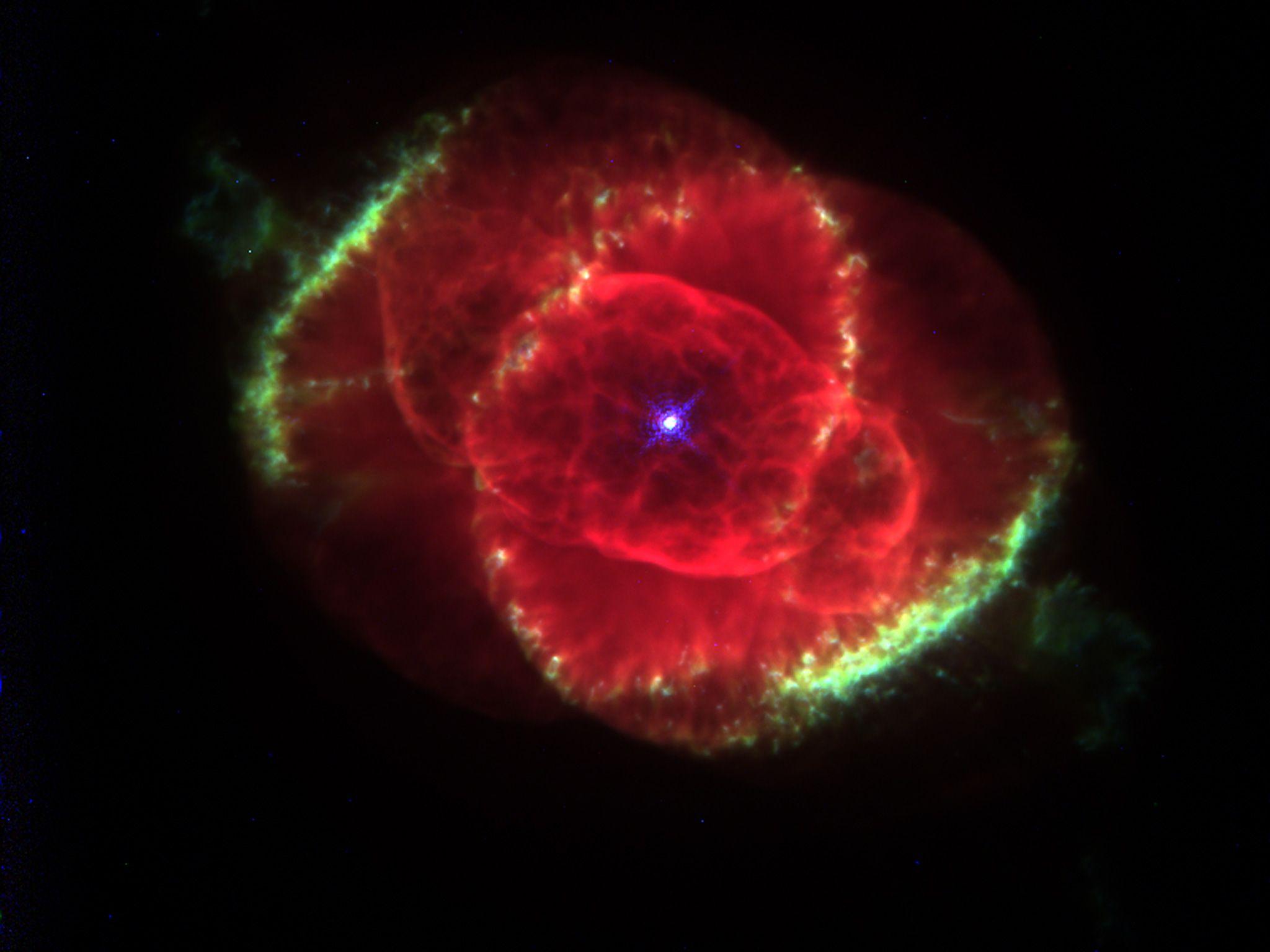
Cat's Eye Nebula Wallpapers Top Free Cat's Eye Nebula
The cat's eye nebula (also known as ngc 6543 and caldwell 6) is a planetary nebula in the northern constellation of draco, discovered by william herschel on february 15, 1786. It was the cat’s eye nebula itself where this fact was first discovered in 1864 — examining the spectrum of its light reveals the emission from individual molecules that’s characteristic of a gas,.

The cat’s eye nebula, also known as ngc 6543. The cat's eye nebula (also known as ngc 6543 and caldwell 6) is a planetary nebula in the northern constellation of draco, discovered by william herschel on february 15, 1786. Looking at the cat’s eye nebula with hubble for this month’s esa/hubble picture of the month, we turn our gaze to one of the most visually intricate remnants of a dying star: This video takes the viewer on a journey through space to one of the most visually intricate remnants of a dying star: Here, the nebula is showcased through the combined eyes of the nasa/esa hubble space telescope and esa’s euclid, highlighting the remarkable complexity of stellar death.
Looking At The Cat’s Eye Nebula With Hubble
Though primarily designed to map the distant universe, euclid captured the cat’s eye nebula as part of its deep imaging surveys. The cat’s eye nebula, also. This video takes the viewer on a journey through space to one of the most visually intricate remnants of a dying star: It is estimated to be 1,000 years old.
The Cat's Eye Nebula
It was the cat's eye nebula itself, where this fact was first discovered in 1864—examining the spectrum of its light reveals the emission from individual molecules that are. This extraordinary planetary nebula has captivated. This is a hubble image of one of the most visually intricate remnants of a dying star—the cat’s eye nebula, also known as ngc 6543. Here, the nebula is showcased through the combined eyes of the nasa/esa hubble space telescope and esa’s euclid, highlighting the remarkable complexity of stellar death.
The Cat’s Eye Nebula, Also Known As Ngc 6543
It was the cat’s eye nebula itself where this fact was first discovered in 1864 — examining the spectrum of its light reveals the emission from individual molecules that’s characteristic of a gas,. The cat's eye nebula (also known as ngc 6543 and caldwell 6) is a planetary nebula in the northern constellation of draco, discovered by william herschel on february 15, 1786.