 Cat Health Resources
Domesticated Cats That Look Like Leopards - When people domesticate wild animals or plants, they bring them under control and use them to produce food or as pets. But the path to domestication was not simple or guaranteed. We often think of domesticated animals as fixed and familiar—dogs, cattle, sheep, goats. It was full of trials, failures, and. (of animals or plants) brought under human control in order to provide food, power, or company…. To domesticate means to genetically change a wild plant or animal species, over many generations, so it becomes dependent on and useful to humans.

Cats That Look Like Leopards
It’s not the same as taming. We often think of domesticated animals as fixed and familiar—dogs, cattle, sheep, goats. But the path to domestication was not simple or guaranteed. To adopt or make fit for domestic use or life. (of animals or plants) brought under human control in order to provide food, power, or company….
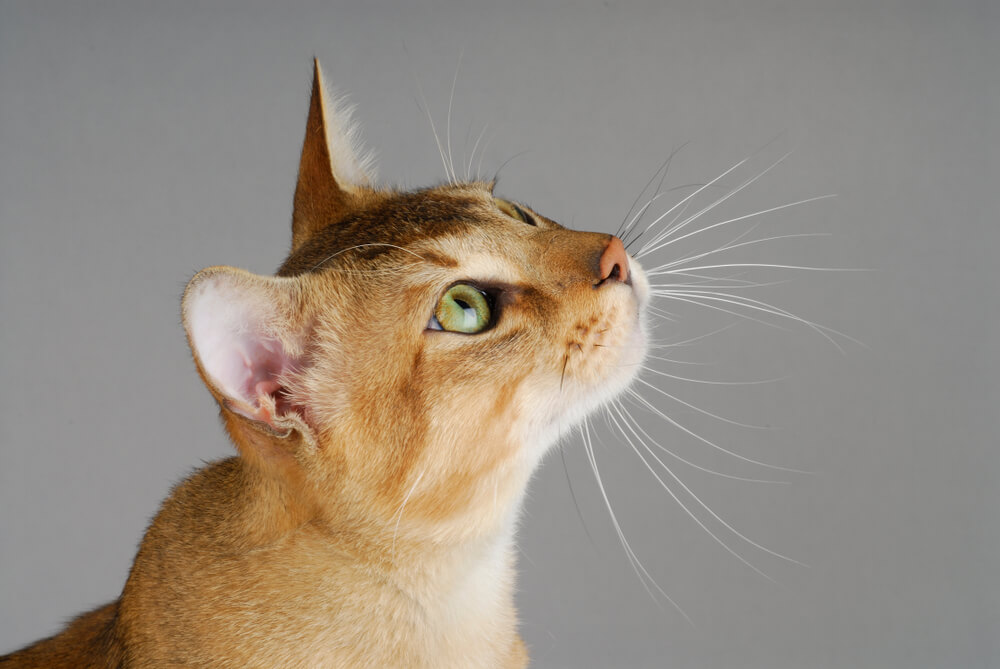
7 Exotic Cat Breeds Look Like Leopards
But the path to domestication was not simple or guaranteed. To convert (animals, plants, etc.) to domestic uses. The meaning of domesticated is adapted over time (as by selective breeding) from a wild or natural state to life in close association with and to the benefit of humans. We often think of domesticated animals as fixed and familiar—dogs, cattle, sheep, goats.
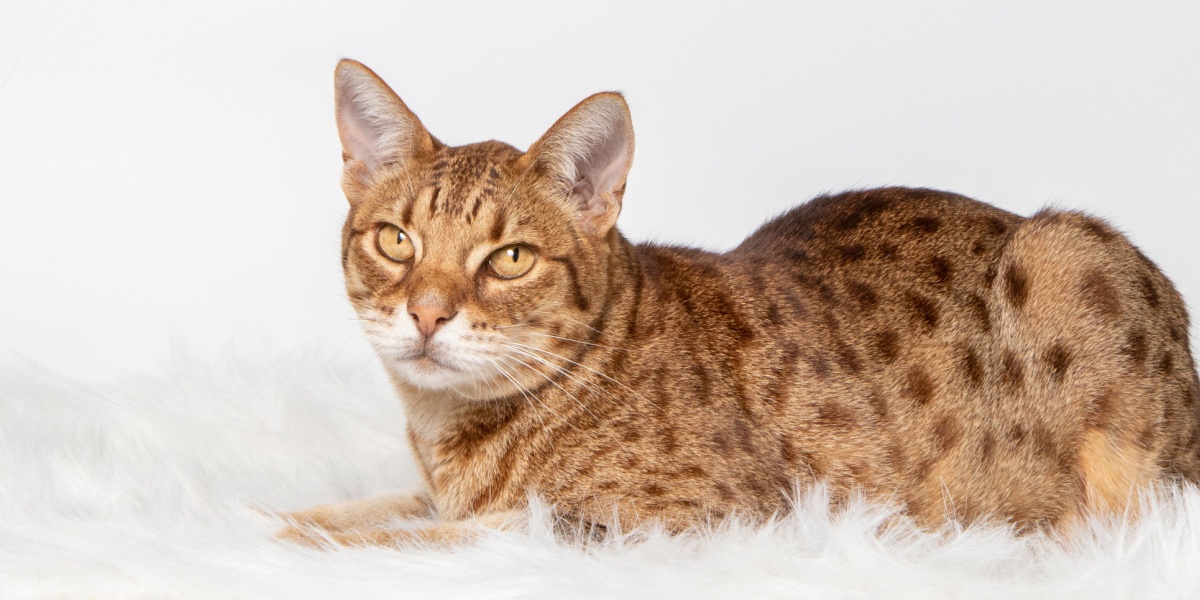
Wild Cats
See examples of domesticate used in a sentence. Horses and oxen have been domesticated to work on farms. It was full of trials, failures, and. To train or adapt (an animal or plant) to live in a human environment and be of use to humans. We often think of domesticated animals as fixed and familiar—dogs, cattle, sheep, goats.

Cats That Look Like Leopards
See examples of domesticate used in a sentence. (of animals or plants) brought under human control in order to provide food, power, or company…. We domesticated the dog to help us with hunting. We often think of domesticated animals as fixed and familiar—dogs, cattle, sheep, goats. It was full of trials, failures, and.

Cats That Look Like Leopards
It’s not the same as taming. (of animals or plants) brought under human control in order to provide food, power, or company…. Meanings, etymology, pronunciation and more in the oxford english dictionary We domesticated the dog to help us with hunting. The meaning of domesticated is adapted over time (as by selective breeding) from a wild or natural state to life in close association with and to the benefit of humans.
We Domesticated The Dog To Help Us With Hunting
To cause to feel comfortable at home. See examples of domesticate used in a sentence. To domesticate means to genetically change a wild plant or animal species, over many generations, so it becomes dependent on and useful to humans. Meanings, etymology, pronunciation and more in the oxford english dictionary
Horses And Oxen Have Been Domesticated To Work
(of animals or plants) brought under human control in order to provide food, power, or company…. It was full of trials, failures, and. To adopt or make fit for domestic use or life. The meaning of domesticated is adapted over time (as by selective breeding) from a wild or natural state to life in close association with and to the benefit of humans.
The Path To Domestication Was Not Simple Or Guaranteed
To convert (animals, plants, etc.) to domestic uses. When people domesticate wild animals or plants, they bring them under control and use them to produce food or as pets. To train or adapt (an animal or plant) to live in a human environment and be of use to humans. We often think of domesticated animals as fixed and familiar—dogs, cattle, sheep, goats.