 Cat Health Resources
Ear Tufts On Cats - Learn the anatomy of the ear, including the external, middle and inner ear and the auditory tube. The ear has three main parts. Found in humans and many other vertebrates, the ear includes structures both visible externally and hidden deep within the skull. Learn about what each part does, how hearing and balance work, and common ear conditions. The outer, middle, and inner ear function together to convert sound waves into nerve impulses that travel. Human ear, organ of hearing and equilibrium that detects and analyzes sound by transduction and maintains the sense of balance.

Cats With Ear Tufts & Cat Ear Furnishings Litterrobot
In humans, the ear is described as having three parts: Anatomically, the ear has three distinguishable. This sensory organ is made up of the outer, middle, and inner ear. The outer, middle, and inner ear function together to convert sound waves into nerve impulses that travel. Find out about the parts of the ear and what each part does.

Cats With Ear Tufts & Cat Ear Furnishings
The outer, middle, and inner ear function together to convert sound waves into nerve impulses that travel. Anatomically, the ear has three distinguishable. Learn about what each part does, how hearing and balance work, and common ear conditions. Human ear, organ of hearing and equilibrium that detects and analyzes sound by transduction and maintains the sense of balance. The outer ear consists of the auricle, the visible outer part, and the ear canal.
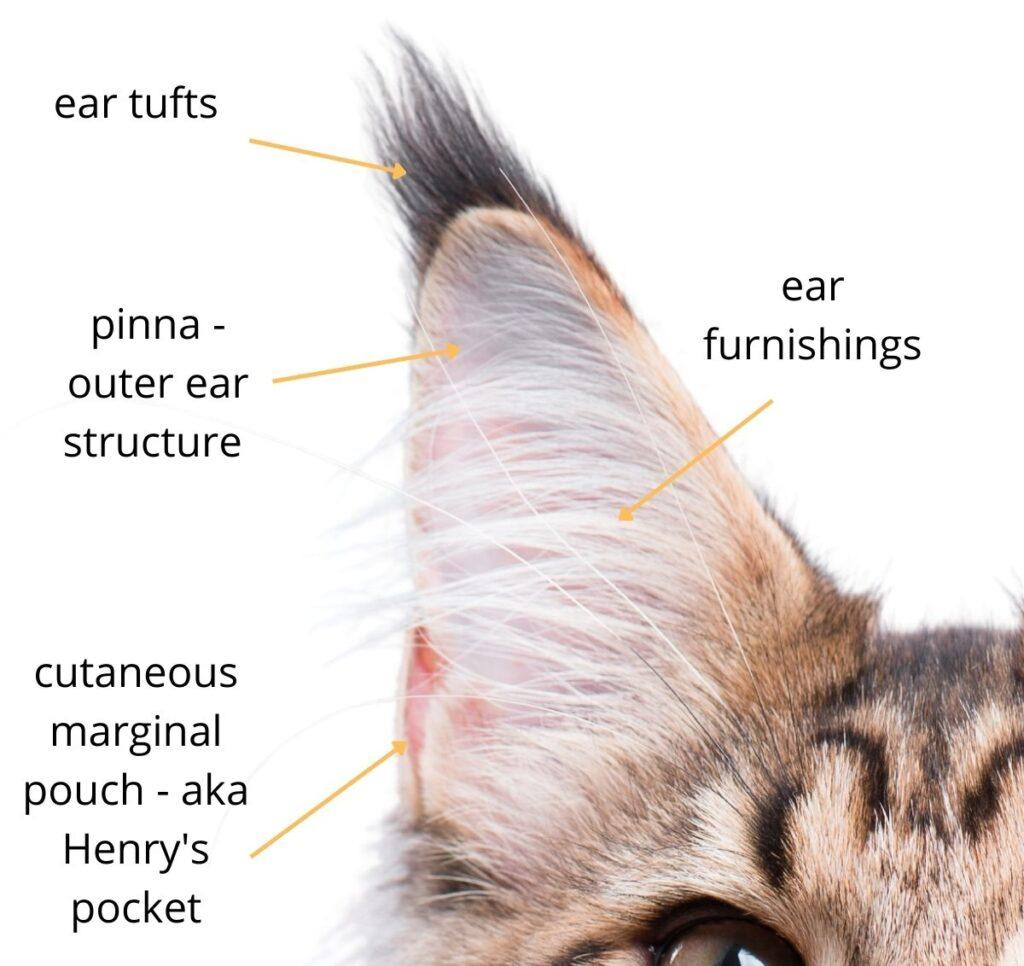
Ear Tufts On Domestic Cats
This sensory organ is made up of the outer, middle, and inner ear. Explore structure, function and clinical relevance for medical learning. Learn the anatomy of the ear, including the external, middle and inner ear and the auditory tube. Anatomically, the ear has three distinguishable. Find out about the parts of the ear and what each part does.

Cats With Ear Tufts & Cat Ear Furnishings Litterrobot
In humans, the ear is described as having three parts: The external, middle and internal ear. The outer ear, the middle ear and the inner ear. Find out about the parts of the ear and what each part does. Explore structure, function and clinical relevance for medical learning.

Cats With Ear Tufts & Cat Ear Furnishings Litterrobot
Learn about what each part does, how hearing and balance work, and common ear conditions. Human ear, organ of hearing and equilibrium that detects and analyzes sound by transduction and maintains the sense of balance. The cochlea is filled with a fluid that moves in response to the vibrations from the oval window. These structures collect sound, convert it into electrical.
The Ear Has Three Main Parts
Find out about the parts of the ear and what each part does. The ear, which is the organ of hearing and balance, consists of the outer, middle, and inner ear. Human ear, organ of hearing and equilibrium that detects and analyzes sound by transduction and maintains the sense of balance. The outer ear, the middle ear and the inner ear.
Anatomically, The Ear Has Three Distinguishable
This sensory organ is made up of the outer, middle, and inner ear. The ear is the sensory organ for hearing and balance and it is anatomically divided into 3 parts: These structures collect sound, convert it into electrical. Learn the anatomy of the ear, including the external, middle and inner ear and the auditory tube.
Found In Humans And Many Other Vertebrates
The cochlea is filled with a fluid that moves in response to the vibrations from the oval window. Learn about what each part does, how hearing and balance work, and common ear conditions. In humans, the ear is described as having three parts: The external, middle and internal ear.
Each Section Is Made Up
The outer, middle, and inner ear function together to convert sound waves into nerve impulses that travel. Explore structure, function and clinical relevance for medical learning. These parts include the outer ear, the middle ear and the inner ear. The outer ear consists of the auricle, the visible outer part, and the ear canal.