 Cat Health Resources
Felv In Cats - Feline leukemia virus (felv) is one of the most important infectious diseases of cats worldwide. What is feline leukemia virus (felv)? Feline leukaemia virus (felv) is a retrovirus of domestic cats worldwide. In this guide, we’ll break down everything you need to know about feline leukemia virus, including how it spreads, signs to look out for, treatment options, and how to protect both infected. Feline leukemia virus (felv) is one of the most common infectious causes of disease of cats globally. Infection with felv can cause a variety of clinical signs, impacting a cat's longevity and.
Understanding Feline Leukemia Virus (Felv) And Supporting Felvpositive
Affected cats can develop anemia (a low red blood cell level), cancers, and/or suppression of the immune. Fortunately, vaccinating a cat does not interfere with. Feline leukemia virus (felv) is one of the most important infectious diseases of cats worldwide. In larger colonies of cats, it is possible to control felv infection through a combination of routine felv testing, quarantine, and vaccination programs.

What is feline leukemia virus (felv)? Feline leukemia virus (felv) is one of the most important infectious diseases of cats worldwide. Affected cats can develop anemia (a low red blood cell level), cancers, and/or suppression of the immune. Feline leukemia virus (felv) is one of the most common infectious causes of disease of cats globally. The virus can cause cancer, blood disorders,.

In larger colonies of cats, it is possible to control felv infection through a combination of routine felv testing, quarantine, and vaccination programs. Infection with felv can cause a variety of clinical signs, impacting a cat's longevity and. Feline leukemia virus (felv) is a retrovirus that infects cats. The virus can cause cancer, blood disorders,. Affected cats can develop anemia (a low red blood cell level), cancers, and/or suppression of the immune.

Understanding Feline Leukemia Virus (Felv) And Supporting Felvpositive
Feline leukaemia virus (felv) is a retrovirus of domestic cats worldwide. Feline leukemia virus (felv) is a retrovirus that infects cats. Feline leukemia virus (felv) is one of the most common infectious causes of disease of cats globally. In larger colonies of cats, it is possible to control felv infection through a combination of routine felv testing, quarantine, and vaccination programs.

Felv Cats Symptoms And Treatment Edition Time
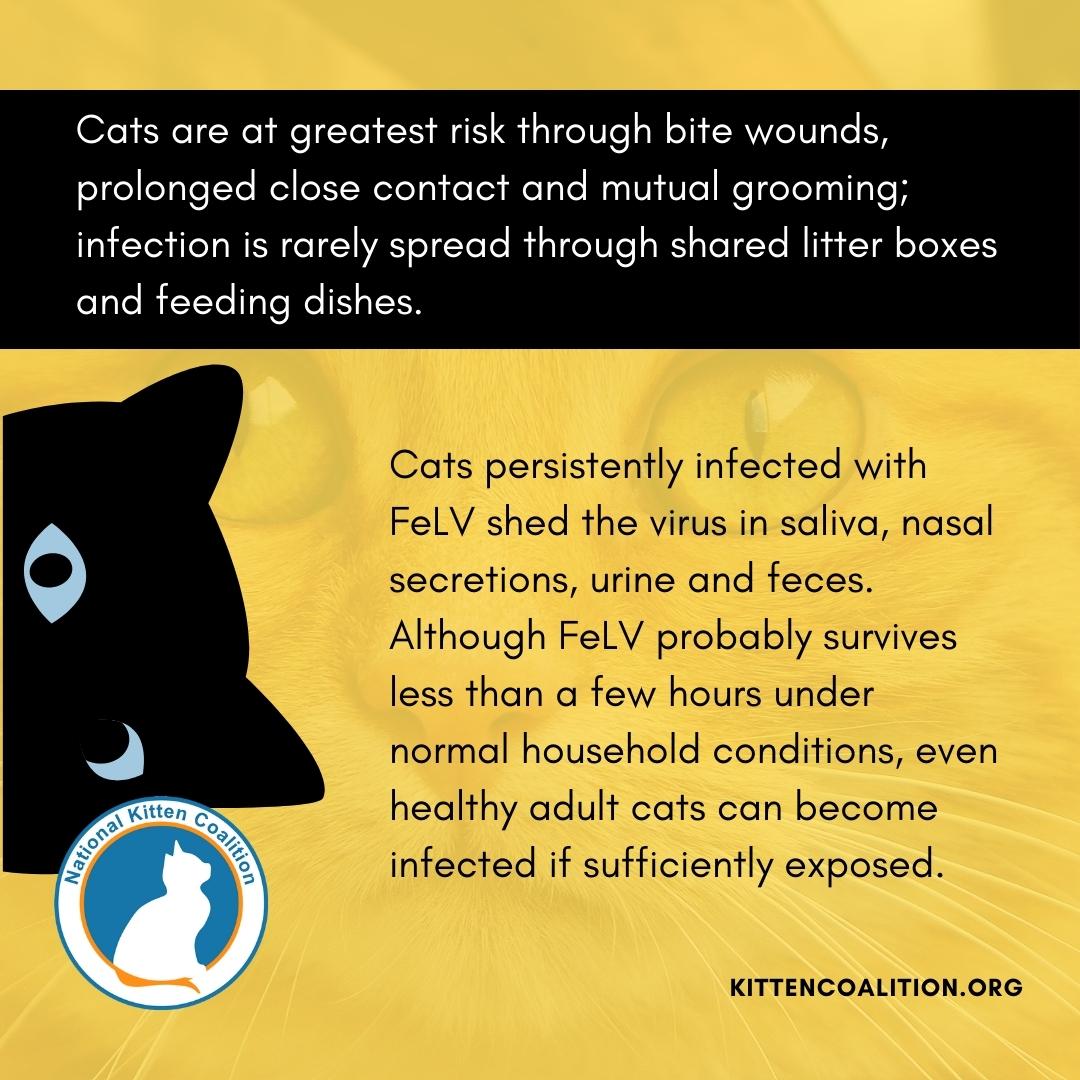
Feline leukemia virus (felv) is one of the most common infectious causes of disease of cats globally. Feline leukemia virus (felv) is one of the most important infectious diseases of cats worldwide. The virus can cause cancer, blood disorders,. What is feline leukemia virus (felv)? Felv can be transmitted from infected cats when the transfer of saliva or nasal secretions is involved.
The Virus Can Cause Cancer, Blood Disorders
It is the cause of more cat deaths, directly or indirectly, than any other organism and is widespread in the cat population. Feline leukemia virus, a retrovirus, is a common infection of cats. In larger colonies of cats, it is possible to control felv infection through a combination of routine felv testing, quarantine, and vaccination programs. Feline leukemia virus (felv) is one of the most common infectious causes of disease of cats globally.
Infection With Felv Can Cause A Variety Of Clinical
Feline leukemia virus (felv) is a retrovirus that infects cats. Fortunately, vaccinating a cat does not interfere with. Feline leukaemia virus (felv) is a retrovirus of domestic cats worldwide. Webmd explains feline leukemia virus (felv), including symptoms, risk factors, treatments, and prevention.
Feline Leukemia Virus (Felv) Is One Of The Most
Felv can be transmitted from infected cats when the transfer of saliva or nasal secretions is involved. In this guide, we’ll break down everything you need to know about feline leukemia virus, including how it spreads, signs to look out for, treatment options, and how to protect both infected. Affected cats can develop anemia (a low red blood cell level), cancers, and/or suppression of the immune. What is feline leukemia virus (felv)?