 Cat Health Resources
Is Alocasia Toxic To Cats - Since it tastes bitter, most cats won’t eat it unless they’re starving. Are all parts of the alocasia plant toxic to cats? Toxic to dogs, toxic to cats, toxic to horses. Learn the symptoms, how to respond if your pet chews a leaf, and prevention tips to keep your home safe. According to the american society for the prevention of cruelty to animals (aspca), alocasia is indeed toxic to cats. Pet owners should be aware that certain houseplants can make cats sick.

Toxic To Cats
While alocasia is toxic to cats, it doesn’t usually cause death unless consumed in large quantities. Immediate steps include rinsing the mouth with water and contacting a veterinarian for. Toxic to dogs, toxic to cats, toxic to horses. Yes, all parts of the alocasia plant contain calcium oxalate crystals, which can cause irritation and burning in the mouth and throat if ingested by cats.

Toxic To Cats
According to the american society for the prevention of cruelty to animals (aspca), alocasia is indeed toxic to cats. Pet owners should be aware that certain houseplants can make cats sick. The organization lists it as a plant that is toxic to both cats and dogs. Unfortunately, the american society for the prevention of cruelty to animals (aspca) identifies elephant ears as.

Is Alocasia Toxic To Cats [Symptoms, Treatment & Prevention
Immediate steps include rinsing the mouth with water and contacting a veterinarian for. The organization lists it as a plant that is toxic to both cats and dogs. Oral irritation, pain and swelling of mouth, tongue and lips, excessive drooling,. Alocasia is toxic to cats due to calcium oxalate crystals, causing mouth and throat irritation, drooling, and vomiting. While alocasia is toxic to cats, it doesn’t usually cause death unless consumed in large quantities.
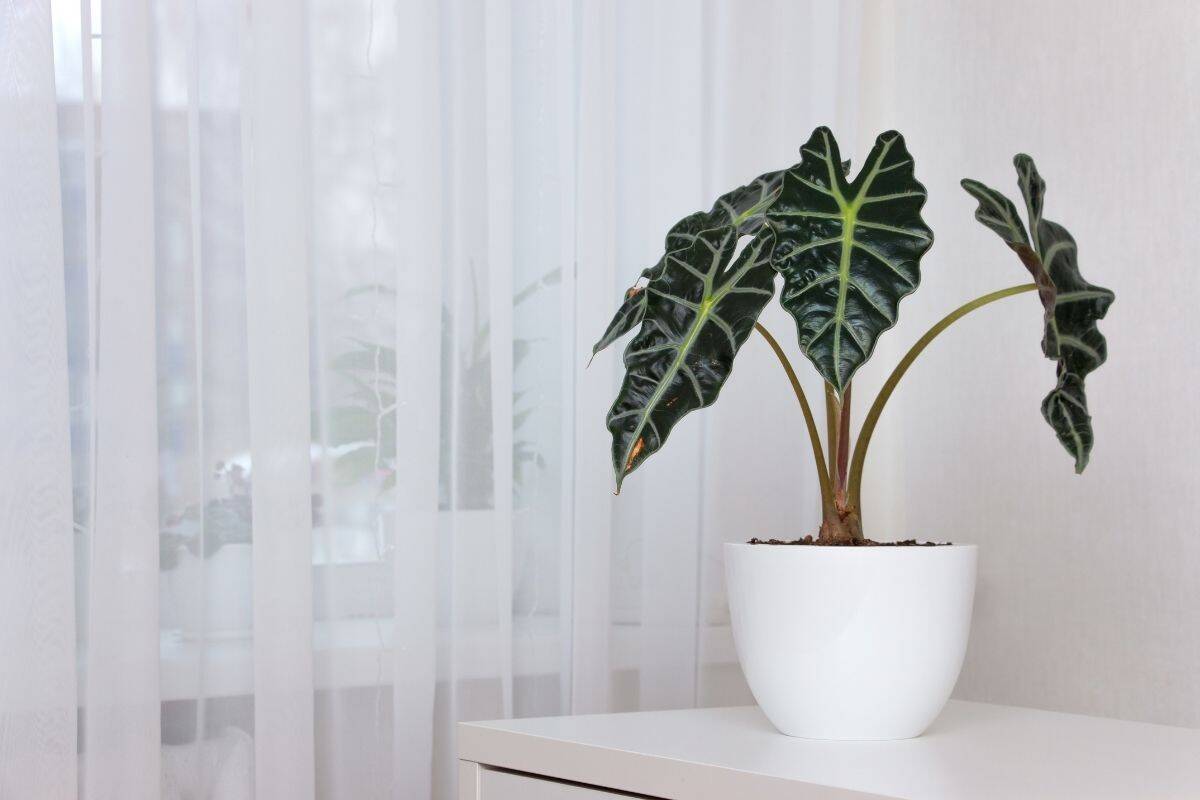
Cats, Dogs
Oral irritation, pain and swelling of mouth, tongue and lips, excessive drooling,. While alocasia is toxic to cats, it doesn’t usually cause death unless consumed in large quantities. Since it tastes bitter, most cats won’t eat it unless they’re starving. According to the american society for the prevention of cruelty to animals (aspca), alocasia is indeed toxic to cats. Yes, all parts of the alocasia plant contain calcium oxalate crystals, which can cause irritation and burning in the mouth and throat if ingested by cats.

Are Elephant Ears (Alocasia) Toxic To Cats Vetreviewed Houseplants
Alocasia is toxic to cats due to calcium oxalate crystals, causing mouth and throat irritation, drooling, and vomiting. Unfortunately, the american society for the prevention of cruelty to animals (aspca) identifies elephant ears as. Pet owners should be aware that certain houseplants can make cats sick. While alocasia is toxic to cats, it doesn’t usually cause death unless consumed in large quantities.
Toxic To Cats
Are all parts of the alocasia plant toxic to cats? While alocasia is toxic to cats, it doesn’t usually cause death unless consumed in large quantities. Immediate steps include rinsing the mouth with water and contacting a veterinarian for. Learn the symptoms, how to respond if your pet chews a leaf, and prevention tips to keep your home safe.
Unfortunately, The American Society For The Prevention Of Cruelty
Pet owners should be aware that certain houseplants can make cats sick. Since it tastes bitter, most cats won’t eat it unless they’re starving. Yes, all parts of the alocasia plant contain calcium oxalate crystals, which can cause irritation and burning in the mouth and throat if ingested by cats. Toxic to dogs, toxic to cats, toxic to horses.
The Organization Lists
Oral irritation, pain and swelling of mouth, tongue and lips, excessive drooling,. According to the american society for the prevention of cruelty to animals (aspca), alocasia is indeed toxic to cats.