 Cat Health Resources
Is Garlic Poisonous To Cats - The good news is that understanding how to prevent exposure and what to do if. Garlic is often praised for its health benefits in humans — but cats are biologically unable to process it safely. No, cooked onions, shallots, garlic, chives, and leeks are all toxic to cats and should be kept out of their reach. If you know your cat has eaten garlic, don’t wait for them to begin. However, garlic is toxic to cats, so it should never. Yes, cats can eat garlic in very minimal amounts but for their safety, it may be best to keep them completely away from it so that there is no chance of your pet ingesting it.

Is Garlic Poisonous For Dogs
Symptoms of poisoning include weakness, vomiting, and digestive issues. Even small amounts of garlic—such as garlic powder or minced garlic—can be harmful to cats. Yes, cats can eat garlic in very minimal amounts but for their safety, it may be best to keep them completely away from it so that there is no chance of your pet ingesting it. Garlic, for example, typically contains a higher.
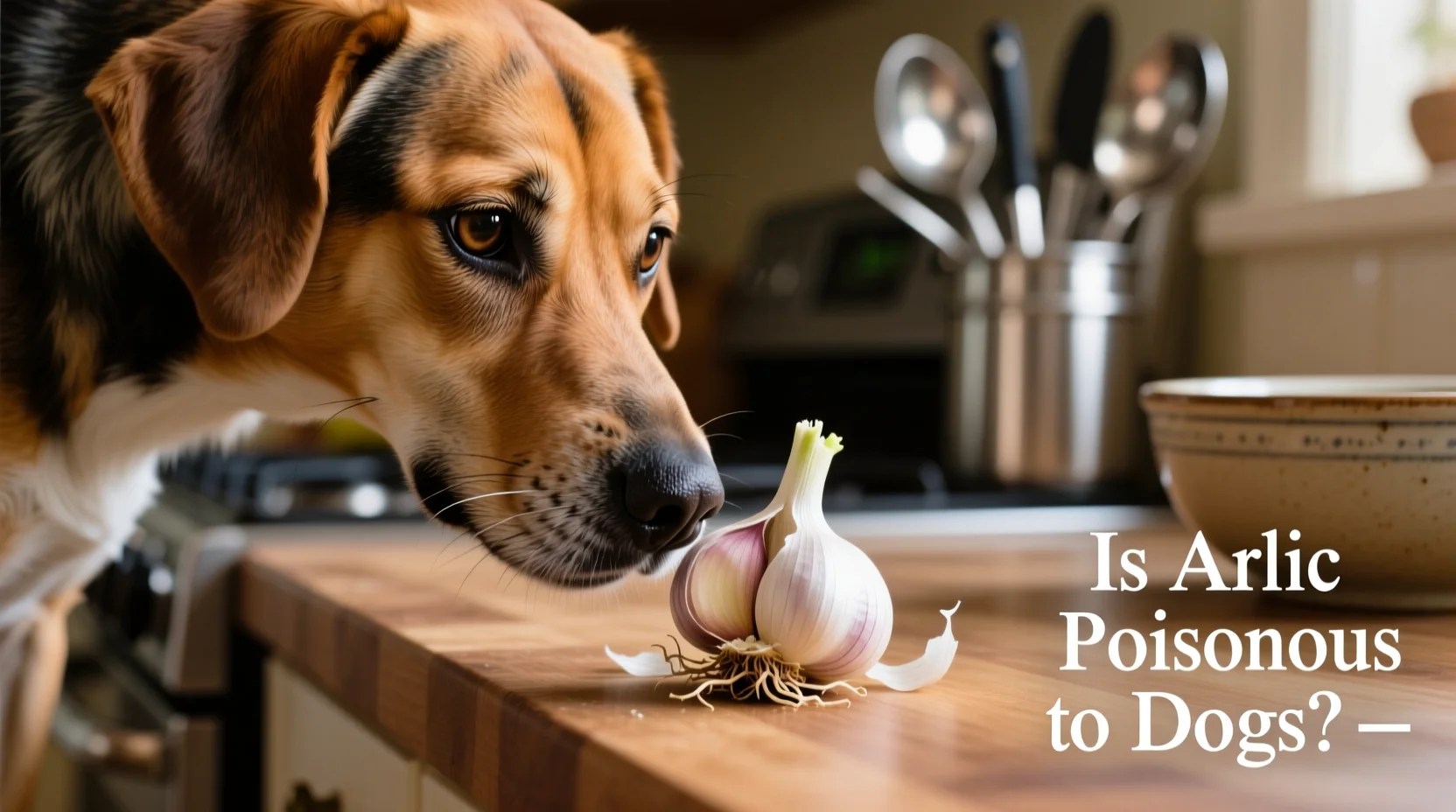
Is Garlic Poisonous Sciencebased Safety Guide
Check cat food labels to ensure it. Even small amounts of garlic—such as garlic powder or minced garlic—can be harmful to cats. Garlic is highly toxic to cats and can cause serious health issues. It can lead to serious health risks like hemolytic anemia. Garlic is often praised for its health benefits in humans — but cats are biologically unable to process it safely.

Is Garlic Toxic To Cats
It can lead to serious health risks like hemolytic anemia. Yes, cats can eat garlic in very minimal amounts but for their safety, it may be best to keep them completely away from it so that there is no chance of your pet ingesting it. Even small amounts of garlic—such as garlic powder or minced garlic—can be harmful to cats.

Garlic Toxicity In Cats Safe Limits And Poisonous Amounts
Garlic can be extremely dangerous for cats, especially because even the most minute ingestion can result in poisoning. One such culprit is garlic, which may seem harmless but can actually be toxic to cats in even small amounts. There is no safe amount of garlic for cats. Even small amounts of garlic—such as garlic powder or minced garlic—can be harmful to cats.

Can Cats Eat Garlic
If you know your cat has eaten garlic, don’t wait for them to begin. However, garlic is toxic to cats, so it should never. Garlic, for example, typically contains a higher. No, cooked onions, shallots, garlic, chives, and leeks are all toxic to cats and should be kept out of their reach. One such culprit is garlic, which may seem harmless but can actually be toxic to cats in even small amounts.
Toxic To Cats
Garlic is highly toxic to cats and can cause serious health issues. Garlic is toxic to cats. Check cat food labels to ensure it. It can lead to serious health risks like hemolytic anemia.
Learn About The Symptoms
Symptoms of poisoning include weakness, vomiting, and digestive issues. Yes, cats can eat garlic in very minimal amounts but for their safety, it may be best to keep them completely away from it so that there is no chance of your pet ingesting it. If you know your cat has eaten garlic, don’t wait for them to begin. Garlic is often praised for its health benefits in humans — but cats are biologically unable to process it safely.
There Is No Safe Amount Of Garlic For Cats
However, garlic is toxic to cats, so it should never. Garlic, for example, typically contains a higher. One such culprit is garlic, which may seem harmless but can actually be toxic to cats in even small amounts. Some cat owners give their cats garlic because it is believed to have medicinal benefits, including the prevention of heart disease and fleas.
For Cats
Garlic is toxic to cats and can cause serious health issues, including anemia and organ failure. Even small amounts of garlic—such as garlic powder or minced garlic—can be harmful to cats. The good news is that understanding how to prevent exposure and what to do if. While all forms of onion and garlic are toxic to cats, some forms are more concentrated and therefore potentially more dangerous.