 Cat Health Resources
Is Hydrogen Peroxide Safe For Cats - Unfortunately, you shouldn’t use hydrogen peroxide on your cat. While hydrogen peroxide is commonly used as an antiseptic for humans, it is not safe for oral use in cats. Always consult with a veterinarian before using. Although we can use hydrogen peroxide to treat a cat's wounds, it is not the best product for this purpose. Although hydrogen peroxide should never be used on your dog without the guidance of a vet, it should not be used on your cat because it can cause stomach and esophagus issues. It should be avoided when cleaning a cat's.

Danger Alert Hydrogen Peroxide Risks For Cats
In fact, ingesting hydrogen peroxide can have detrimental effects on a cat’s health. Is hydrogen peroxide safe for cats? You might be familiar with hydrogen peroxide being used to aid wound healing and wonder if you can use it on your feline. Although we can use hydrogen peroxide to treat a cat's wounds, it is not the best product for this purpose.

Can I Use Hydrogen Peroxide On My Cat Vetverified
While hydrogen peroxide is commonly used as an antiseptic for humans, it is not safe for oral use in cats. Hydrogen peroxide is not always the best choice to clean your pet's wound. Although hydrogen peroxide should never be used on your dog without the guidance of a vet, it should not be used on your cat because it can cause stomach and esophagus issues.

Hydrogen Peroxide On Cats
Hydrogen peroxide is not always the best choice to clean your pet's wound. While hydrogen peroxide is commonly used as an antiseptic for humans, it is not safe for oral use in cats. Always consult with a veterinarian before using. Learn why and what to use instead. Although we can use hydrogen peroxide to treat a cat's wounds, it is not the best product for this purpose.

Is Hydrogen Peroxide Safe For Cats
While hydrogen peroxide is commonly used as an antiseptic for humans, it is not safe for oral use in cats. Can you use peroxide on your dog or cat? Although hydrogen peroxide should never be used on your dog without the guidance of a vet, it should not be used on your cat because it can cause stomach and esophagus issues.
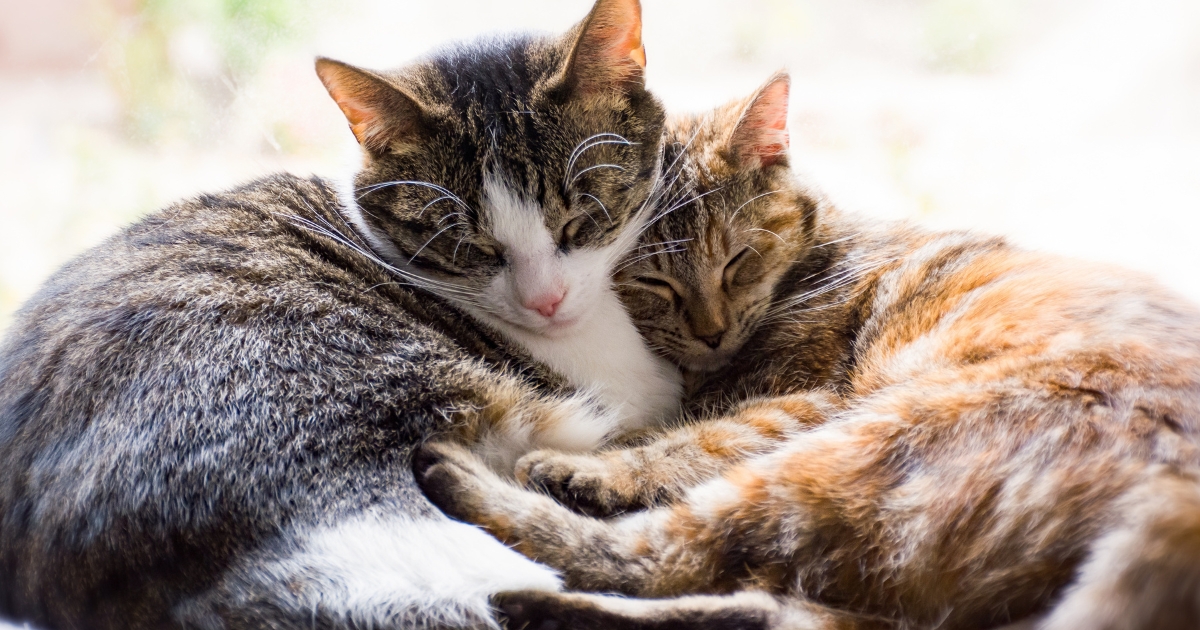
Is Hydrogen Peroxide Safe For Cats A Comprehensive Guide
While hydrogen peroxide is commonly used as an antiseptic for humans, it is not safe for oral use in cats. Unfortunately, you shouldn’t use hydrogen peroxide on your cat. Learn the risks, side effects, and safer alternatives for handling poisoning or emergencies. Is hydrogen peroxide safe for cats? Although we can use hydrogen peroxide to treat a cat's wounds, it is not the best product for this purpose.
Unfortunately, You Shouldn’t Use Hydrogen Peroxide On Your Cat
In fact, ingesting hydrogen peroxide can have detrimental effects on a cat’s health. Hydrogen peroxide is not always the best choice to clean your pet's wound. Learn the risks, side effects, and safer alternatives for handling poisoning or emergencies. While hydrogen peroxide is commonly used as an antiseptic for humans, it is not safe for oral use in cats.
Always Consult With A Veterinarian Before Using
Can you use peroxide on your dog or cat? You might be familiar with hydrogen peroxide being used to aid wound healing and wonder if you can use it on your feline. Learn why and what to use instead. In conclusion, hydrogen peroxide can be safe for use on cats in certain circumstances, but it is important to use caution and follow proper guidelines.
It Should Be Avoided When Cleaning A Cat's
Although we can use hydrogen peroxide to treat a cat's wounds, it is not the best product for this purpose. Is hydrogen peroxide safe for cats? Hydrogen peroxide can be dangerous for cats. Although hydrogen peroxide should never be used on your dog without the guidance of a vet, it should not be used on your cat because it can cause stomach and esophagus issues.