 Cat Health Resources
Is Purring Good For Cats - Purring is a soft buzzing sound, similar to a rolled 'r' in human speech, with a fundamental frequency of around 25 hz. Most cat vocalizations are produced. [4] this sound occurs with noticeable vibrations on the surface of the body, varies in a. As these muscles twitch, they cause the vocal cords to separate,. While most people assume the purr serves as an expression of kitty contentment, the mysterious sound—how it's created, and why—isn't that simple. Purring is a fascinating vocal feature that occurs while cats inhale and exhale.
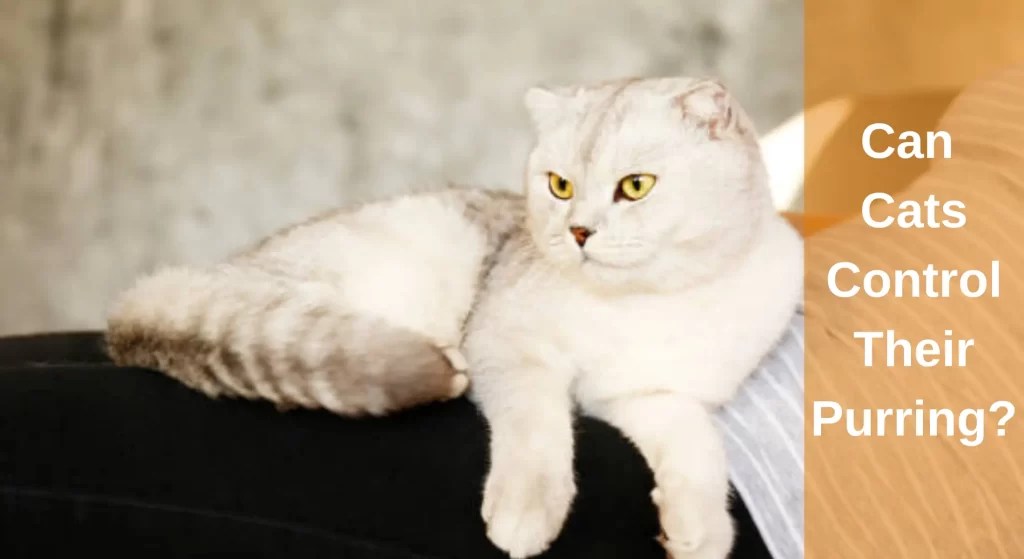
Can Cats Control Their Purring Voluntary Or Involuntary Learnaboutcat
Learn what purring means here. Purring is the most common sound cats make. Purring is a soft buzzing sound, similar to a rolled 'r' in human speech, with a fundamental frequency of around 25 hz. This unique sound is believed to originate from the laryngeal muscles in the throat. Yet we know less about it than meowing, chirping, chattering, hissing, and growling.

Cat Purring Has Remarkable Healing Properties, Study Finds
While it generally means your kitty is feeling happy and cozy, it can also indicate they are stressed or. Most cat vocalizations are produced. Purring is produced by the rapid movement of muscles within a cat’s larynx (voice box), combined with the diaphragm. While most people assume the purr serves as an expression of kitty contentment, the mysterious sound—how it's created, and why—isn't that simple.

Why Is My Cat Purring Constantly 3 Reasons
Kittens may continue purring as they nurse, perhaps as a way to show contentment. Purring is a totally normal behavior for cats —it’s how they communicate their emotions. Have you ever wondered what makes a cat purr and how a cat purrs? Learn everything you need to know about purring from our vet experts. Purring is a soft buzzing sound, similar to a rolled 'r' in human speech, with a fundamental frequency of around 25 hz.

Why Is My Cat Purring So Loud 5+ Reasons
Learn what purring means here. Have you ever wondered what makes a cat purr and how a cat purrs? As these muscles twitch, they cause the vocal cords to separate,. Ever wonder, “why do cats purr?” cats can purr when they’re happy, but sometimes cat purring is due to stress or illness. Yet we know less about it than meowing, chirping, chattering, hissing, and growling.

Can Cats Control Their Purring Voluntary Or Involuntary Learnaboutcat
Learn what purring means here. Ever wonder, “why do cats purr?” cats can purr when they’re happy, but sometimes cat purring is due to stress or illness. Purring is a soft buzzing sound, similar to a rolled 'r' in human speech, with a fundamental frequency of around 25 hz. Purring is a totally normal behavior for cats —it’s how they communicate their emotions.
Yet We Know Less About It Than Meowing
Purring is a soft buzzing sound, similar to a rolled 'r' in human speech, with a fundamental frequency of around 25 hz. Purring is a totally normal behavior for cats —it’s how they communicate their emotions. Learn what purring means here. Kittens may continue purring as they nurse, perhaps as a way to show contentment.
While Most People Assume The Purr Serves
Indeed, several veterinary articles have been written about how to get a cat to stop purring while listening to its heart. Learn everything you need to know about purring from our vet experts. Ever wonder, “why do cats purr?” cats can purr when they’re happy, but sometimes cat purring is due to stress or illness. This mechanism allows the vocal cords.
While It Generally Means Your Kitty Is Feeling Happy
Purring is produced by the rapid movement of muscles within a cat’s larynx (voice box), combined with the diaphragm. As these muscles twitch, they cause the vocal cords to separate,. Most cat vocalizations are produced. Yes, cats purr when they're content.
[4] This Sound Occurs With Noticeable Vibrations
Have you ever wondered what makes a cat purr and how a cat purrs? Purring is the most common sound cats make. Purring is a fascinating vocal feature that occurs while cats inhale and exhale. This unique sound is believed to originate from the laryngeal muscles in the throat.