 Cat Health Resources
Is Tradescantia Toxic To Cats - Tradescantia plants contain compounds that can be harmful to cats if ingested. Tradescantia is classified as mildly toxic to cats, primarily causing irritation rather than severe poisoning. Furthermore, some cats may have allergic reactions to. The answer is a resounding yes! Tradescantia plants are toxic to cats and can cause a variety of symptoms, including vomiting, diarrhea, abdominal pain, lethargy, dehydration, weight loss, increased thirst, increased. When a cat chews on or ingests tradescantia, these oxalates can cause irritation and inflammation in the mouth, throat, and digestive tract.
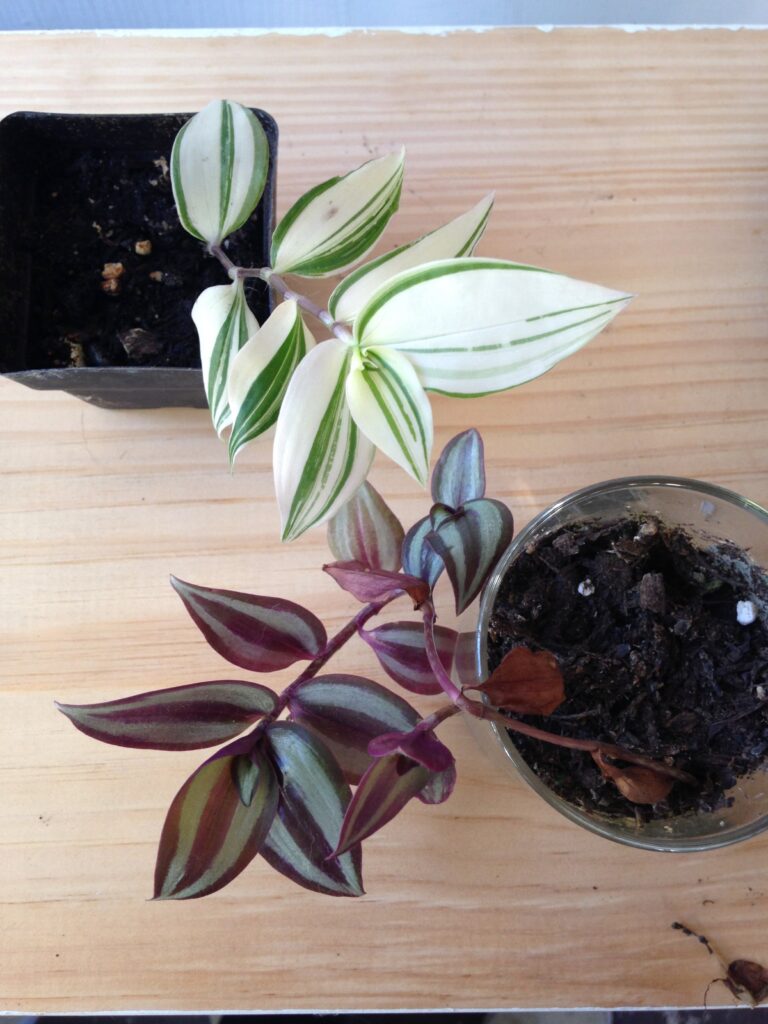
A Guide To Tradescantia Leaf And Paw
Furthermore, some cats may have allergic reactions to. Tradescantia is classified as mildly toxic to cats, primarily causing irritation rather than severe poisoning. It’s recommended as a healthy treat for cats. Tradescantia plants are toxic to cats and can cause a variety of symptoms, including vomiting, diarrhea, abdominal pain, lethargy, dehydration, weight loss, increased thirst, increased. The answer is a resounding yes!

Indoor Tradescantia Plant Care How To Grow And Propagate
Tradescantia, also known as the wandering jew plant, is mildly toxic to cats. Tradescantia plants are toxic to cats and can cause a variety of symptoms, including vomiting, diarrhea, abdominal pain, lethargy, dehydration, weight loss, increased thirst, increased. The answer is a resounding yes! After a number of google searches, vet conversations, and triple checking sources, it’s a resounding yes.

A Guide To Tradescantia Leaf And Paw
It’s important to note that usually there isn’t a toxic reaction to. Tradescantia plants are toxic to cats and can cause a variety of symptoms, including vomiting, diarrhea, abdominal pain, lethargy, dehydration, weight loss, increased thirst, increased. The plant contains sap that can lead to dermatitis and stomach upset if ingested by cats. Is wandering jew toxic to cats? The plant has sap within the stems that will bother your cat’s digestive tract.

Is Wandering Jew Toxic To Cats
The plant contains sap that can lead to dermatitis and stomach upset if ingested by cats. Tradescantia is classified as mildly toxic to cats, primarily causing irritation rather than severe poisoning. Furthermore, some cats may have allergic reactions to. If you are asking is tradescantia toxic to cats, the answer is yes. Tradescantia, also known as the wandering jew plant, is mildly toxic to cats.

Tradescantia Pallida — Peas&Bees Co
Tradescantia is classified as mildly toxic to cats, primarily causing irritation rather than severe poisoning. Furthermore, some cats may have allergic reactions to. Is wandering jew toxic to cats? The plant has sap within the stems that will bother your cat’s digestive tract. Cats can eat tradescantia as it’s not toxic and can be a nutritious addition to a cat’s diet in moderate amounts.
In Short, The Answer Is A Resounding Yes
After a number of google searches, vet conversations, and triple checking sources, it’s a resounding yes. Furthermore, some cats may have allergic reactions to. The plant has sap within the stems that will bother your cat’s digestive tract. Cats can eat tradescantia as it’s not toxic and can be a nutritious addition to a cat’s diet in moderate amounts.
Toxic To Cats
Is wandering jew toxic to cats? Tradescantia is classified as mildly toxic to cats, primarily causing irritation rather than severe poisoning. Yes — learn the exact toxins, symptoms to watch for, and 7 proven strategies to keep cats safe around tradescantia. Tradescantia plants contain compounds that can be harmful to cats if ingested.
Toxic To Cats
The plant's sap contains compounds that can cause discomfort if ingested or touched, but it's. It’s recommended as a healthy treat for cats. The answer is a resounding yes! When a cat chews on or ingests tradescantia, these oxalates can cause irritation and inflammation in the mouth, throat, and digestive tract.
It’s Important To Note
The plant contains sap that can lead to dermatitis and stomach upset if ingested by cats. While rarely fatal, these plants are moderate irritants that can cause your feline significant pain. If you are asking is tradescantia toxic to cats, the answer is yes. The main toxic component in tradescantia plants is calcium oxalate crystals, which can cause irritation and swelling.