 Cat Health Resources
Polyps In Cats Nose - Learn about causes, signs, symptoms, treatment, and how to prevent colon cancer. Most polyps are harmless, but some can become cancerous over time. Most colon polyps are harmless. A polyp is a fleshy growth found on mucous membranes throughout the body. Most polyps are not cancerous. Polyps can affect different parts of the body, including the colon, the uterus, the nose, and the ears.

Nasal Polyps In Cats Understanding Causes, Symptoms, And Treatment
Most colon polyps are sporadic and occur randomly. A colon polyp is a small growth in the lining of the colon or large intestine. Colon polyps are fleshy growths inside the colon lining that may become cancerous. But over time, some colon polyps can turn into colorectal cancer. Most polyps are not cancerous.
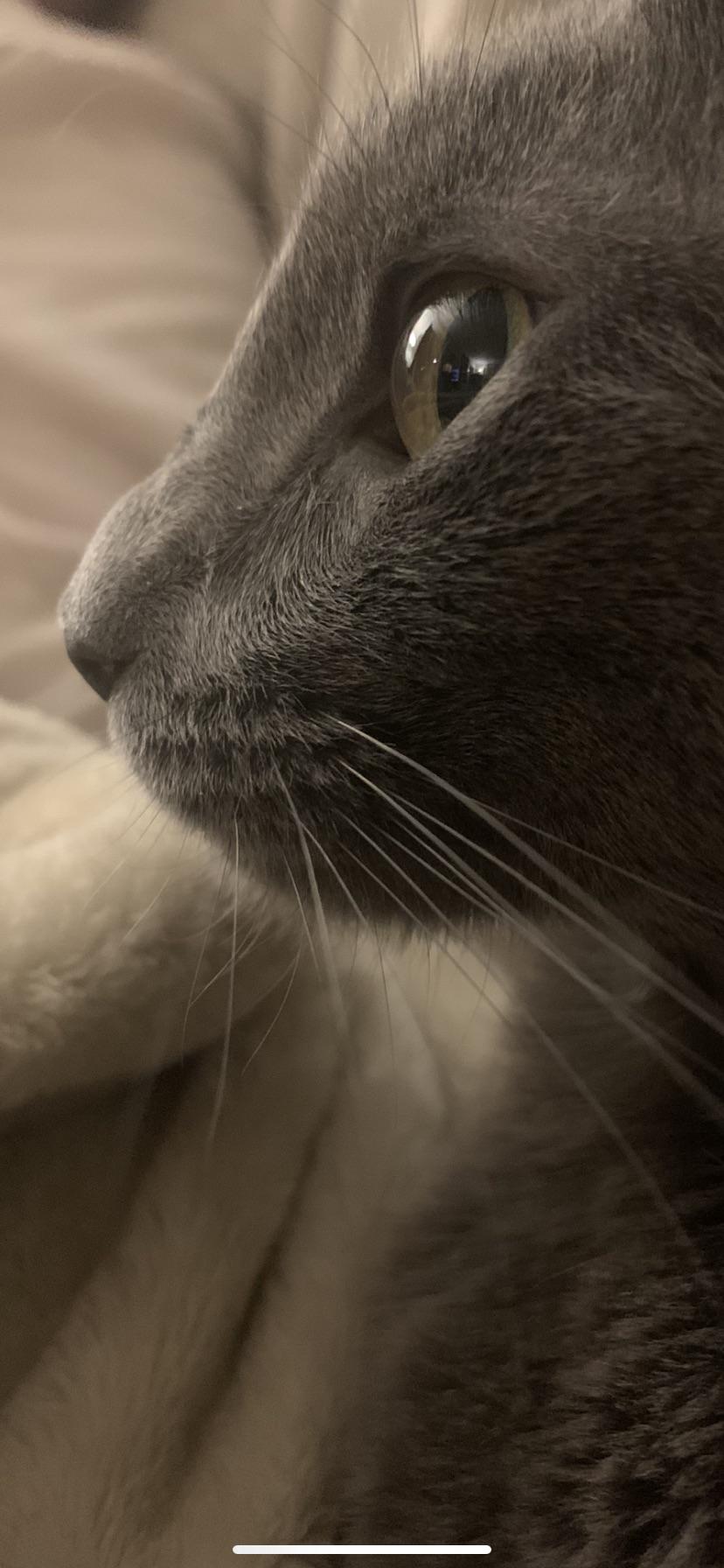
Anyone Have Experience With Nasal Polyps Our 2 Y.o.
Most colon polyps are harmless. They can occur in several locations in the gastrointestinal tract but are most common in the colon. A polyp is a fleshy growth found on mucous membranes throughout the body. Colon polyps are fleshy growths inside the colon lining that may become cancerous. They’re usually harmless, but some types can turn into colon cancer after many years.

Nasopharyngeal Polyps In Cats A Vet’s 2025 Guide
They’re usually harmless, but some types can turn into colon cancer after many years. They can occur in several locations in the gastrointestinal tract but are most common in the colon. Colon polyps are growths, like tiny bumps, that form on the inside lining of your colon or rectum. Learn about causes, signs, symptoms, treatment, and how to prevent colon cancer.

Fosters Veterinary Clinic Is Your Cat Snoring
Colon polyps are growths, like tiny bumps, that form on the inside lining of your colon or rectum. A colon polyp is a small growth in the lining of the colon or large intestine. They are not cancer, and most of them have not started to change into cancer. Most polyps are harmless, but some can become cancerous over time.

Nasopharyngeal Polyps In Cats
Polyps often grow in your colon (large intestine) or your rectum. Most polyps are not cancerous. Colon polyps are fleshy growths inside the colon lining that may become cancerous. A polyp is a fleshy growth found on mucous membranes throughout the body. Polyps that are initially harmless can develop into colon cancer, which is why doctors remove them during a colonoscopy.
The Most Common Type Of
Polyps often grow in your colon (large intestine) or your rectum. Most polyps are harmless, but some can become cancerous over time. Polyps can affect different parts of the body, including the colon, the uterus, the nose, and the ears. Learn the types, causes, symptoms and how they are removed.
Polyps Are Benign Growths (Noncancerous Tumors Or Neoplasms) Involving
Most colon polyps are harmless. They can occur in several locations in the gastrointestinal tract but are most common in the colon. Colorectal cancer can be deadly when found in its later stages. Polyps that are initially harmless can develop into colon cancer, which is why doctors remove them during a colonoscopy.
Most Colon Polyps Are Sporadic And Occur Randomly
Learn about causes, signs, symptoms, treatment, and how to prevent colon cancer. They’re usually harmless, but some types can turn into colon cancer after many years. Most polyps are not cancerous. But over time, some colon polyps can turn into colorectal cancer.
Screening Finds Precancerous Growths On The Colon Wall
However, there are environmental and hereditary factors. A polyp is a fleshy growth found on mucous membranes throughout the body. Polyps are abnormal clusters of cells that can develop in many different parts of the body. Colon polyps are fleshy growths inside the colon lining that may become cancerous.