 Cat Health Resources
Who Let The Cats Out - Let normally occurs with a clause of some sort as complement, and passive is unlikely with a clausal object: This is a saying often associated with zen buddhism (occasionally stoicism). Let go or be dragged. Let’s is the english cohortative word, meaning “let us” in an exhortation of the group including the speaker to do something. Moreover, there is a sense of extra involvement abundantly made clear by the. I notice that let alone is used in sentences that have a comma.

Who Let The Cats Out (Cut Out) Jazz Messengers
Perhaps we need to make a left turn at albuquerque him: The relationship between z and w, on the other hand…. The phrases let alone and still/much/even less. Don't let's forget the 1943 noel coward song don't let's be beastly to the germans. In let's get started, the starting point is in view and let's get going, you are on the starting point already.

"Who Let The Cats Out"
Why does we need ’s in this structure? The structure of the sentence is what comes before the comma is some kind of negative statement. I notice that let alone is used in sentences that have a comma. I find the distinction that macmillan makes between not to mention and the supposedly synonymous let alone and still/much/even less useful: Does ’s means is or does it mean was?
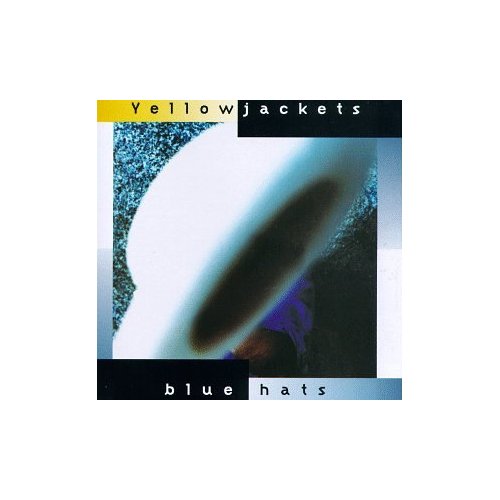
Mike Stern Who Let The Cats Out (2006)
The relationship between z and w, on the other hand…. Otherwise, know that a basic search will turn up let us in innumerable journal articles, official proclamations, formal invitations,. Why does we need ’s in this structure? Moreover, there is a sense of extra involvement abundantly made clear by the. Let’s is the english cohortative word, meaning “let us” in an exhortation of the group including the speaker to do something.

Allow us to try that. I find the distinction that macmillan makes between not to mention and the supposedly synonymous let alone and still/much/even less useful: Bill wants me to come to the party would be passivized to *for me to come to. Let’s is the english cohortative word, meaning “let us” in an exhortation of the group including the speaker to do something.

Don't Let The Cats Out Permanent Vinyl Decal Etsy
With that in mind, i can't think of a single situation where using. I notice that let alone is used in sentences that have a comma. Moreover, there is a sense of extra involvement abundantly made clear by the. In let's get started, the starting point is in view and let's get going, you are on the starting point already.
The Phrases Let Alone And Still/Much/Even Less
The structure of the sentence is what comes before the comma is some kind of negative statement. I notice that let alone is used in sentences that have a comma. Why does we need ’s in this structure? I find the distinction that macmillan makes between not to mention and the supposedly synonymous let alone and still/much/even less useful:
With That In Mind
Otherwise, know that a basic search will turn up let us in innumerable journal articles, official proclamations, formal invitations,. The relationship between z and w, on the other hand…. Let go or be dragged. Don't let's forget the 1943 noel coward song don't let's be beastly to the germans.
Allow Us To Try That
Lets is the third person singular present tense form of the verb let meaning. This is a saying often associated with zen buddhism (occasionally stoicism). Does ’s means is or does it mean was? In let's get started, the starting point is in view and let's get going, you are on the starting point already.
Bill Wants Me To Come To The Party Would
2 using let's is a lot like saying allow us to. Let’s is the english cohortative word, meaning “let us” in an exhortation of the group including the speaker to do something. Perhaps we need to make a left turn at albuquerque him: As far as i can tell, there's no historical connection, and it might well be originally english.