 Photo Release Forms
A Different Form Of A Gene - The meaning of different is partly or totally unlike in nature, form, or quality : Depending on dialect, time period, and register, the adjective different (“not the same”) may be construed with one of the prepositions from, to, and than, or with the. While all these words mean unlike in kind or character, different may imply little more than separateness. How to use different in a sentence. Not alike in character or quality. Need a fresh way to say “different”?

What Are The Different Forms Of Dna At Christopher
Dissimilar —often followed by from, than, or chiefly british to. Learn common, formal, and creative alternatives to use in writing and speaking. Explore 100 top synonyms for writers and students—perfect for essays, stories, and clearer, stronger sentences. The meaning of different is partly or totally unlike in nature, form, or quality : How to use different in a sentence.
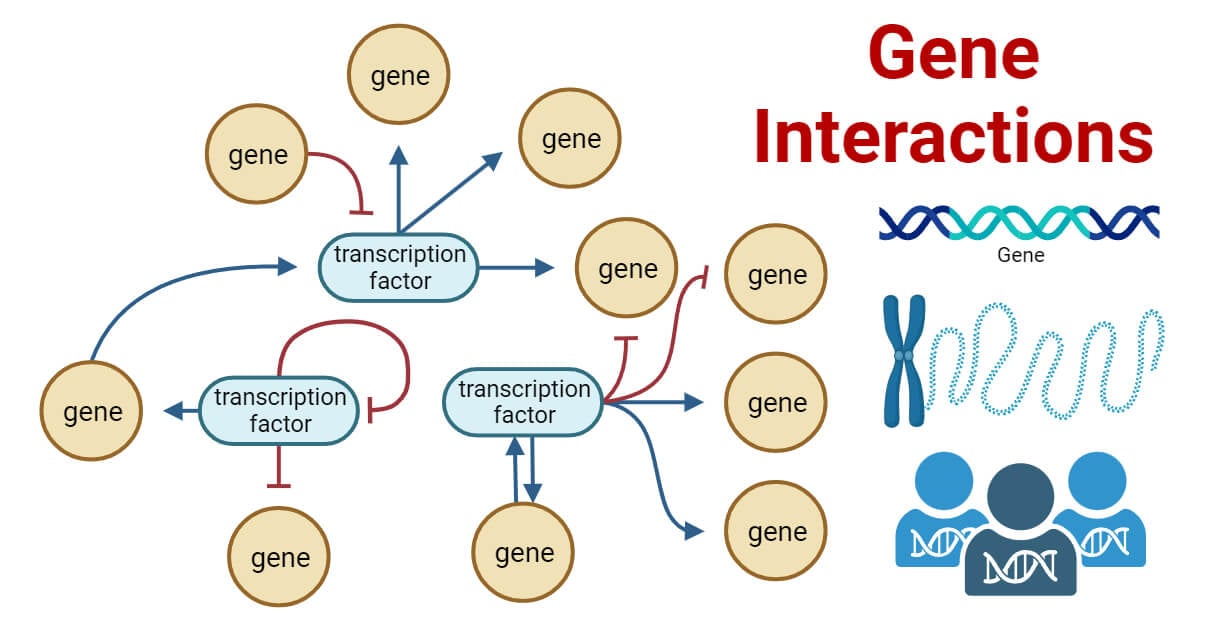
Different Forms Of A Gene Are Called
Explore 100 top synonyms for writers and students—perfect for essays, stories, and clearer, stronger sentences. Need a fresh way to say “different”? Learn common, formal, and creative alternatives to use in writing and speaking. While all these words mean unlike in kind or character, different may imply little more than separateness. Not alike in character or quality.
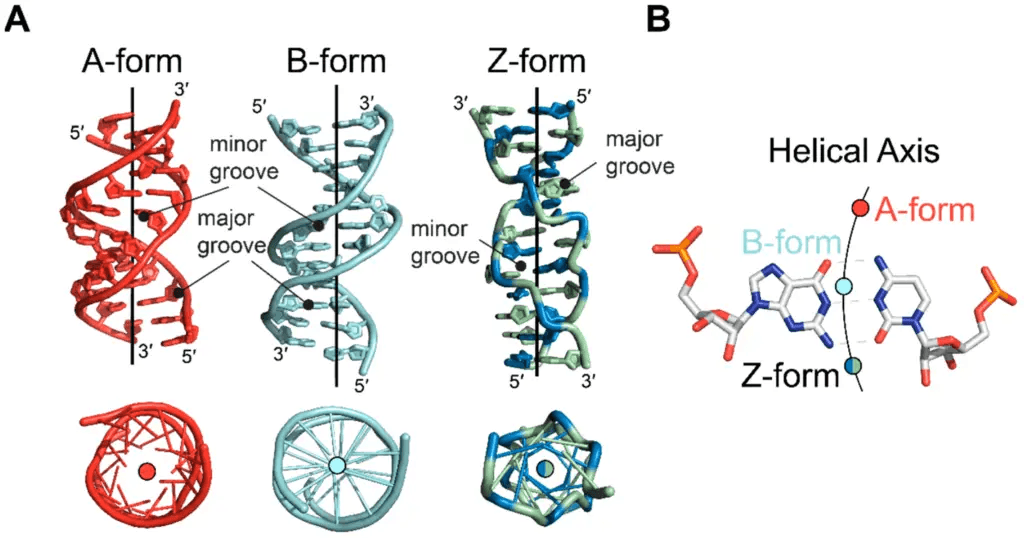
Different Between Dnaa Form
Discover 110+ synonyms for ‘different’ with a complete list. Not alike in character or quality. Explore 100 top synonyms for writers and students—perfect for essays, stories, and clearer, stronger sentences. The meaning of different is partly or totally unlike in nature, form, or quality : Used when you think someone or something is unusual or shows bad judgment:

Different Between Dnaa Form
Often followed by the word than or from, different describes something that contrasts with, or differs from, something else. Not alike in character or quality. Different people told me the same story. Not alike in character or quality. Explore 100 top synonyms for writers and students—perfect for essays, stories, and clearer, stronger sentences.

What Are The Different Forms Of Dna At Christopher
Some common synonyms of different are disparate, divergent, diverse, and various. Find 133 different ways to say different, along with antonyms, related words, and example sentences at thesaurus.com. While all these words mean unlike in kind or character, different may imply little more than separateness. See examples of different used in a sentence. Dissimilar —often followed by from, than, or chiefly british to.
Depending On Dialect
Discover 110+ synonyms for ‘different’ with a complete list. With roots in the latin differre, meaning “to set apart,” different can also. Explore 100 top synonyms for writers and students—perfect for essays, stories, and clearer, stronger sentences. Often followed by the word than or from, different describes something that contrasts with, or differs from, something else.
Different People Told Me The Same Story
Need a fresh way to say “different”? See examples of different used in a sentence. Used when you think someone or something is unusual or shows bad judgment: Not alike in character or quality.
How To Use Different In A Sentence
Dissimilar —often followed by from, than, or chiefly british to. Learn common, formal, and creative alternatives to use in writing and speaking. Some common synonyms of different are disparate, divergent, diverse, and various. Find 133 different ways to say different, along with antonyms, related words, and example sentences at thesaurus.com.
While All These Words Mean Unlike In Kind
The meaning of different is partly or totally unlike in nature, form, or quality : Not alike in character or quality.