 Photo Release Forms
Denmark Form Of Government - The system of governance in denmark is a parliamentary democracy. The passing of the constitutional act was the end of absolute monarchy. Denmark often has a minority government. The kingdom is a parliamentary democracy, and the voters elect the parliament, which then forms the government. The system is designed to foster cooperation between political parties,. Despite the splintering of parties,.

Forms Of Government In Denmark At Gary Norris Blog
Denmark’s government is structured around a parliamentary system, where the executive branch is accountable to the legislature. The passing of the constitutional act was the end of absolute monarchy. Denmark has been a democracy since the country’s first constitutional act was passed in 1849. The politics of denmark take place within the framework of a parliamentary representative democracy, a constitutional monarchy and a decentralised unitary state in which the monarch of denmark, king.

Forms Of Government In Denmark At Gary Norris Blog
Denmark often has a minority government. Despite the splintering of parties,. The politics of denmark take place within the framework of a parliamentary representative democracy, a constitutional monarchy and a decentralised unitary state in which the monarch of denmark, king. Since no single party has enough of the 179. The constitution of june 5, 1953, provides for a unicameral legislature, the folketing, with not more than 179 members.
Scandinavian Political Structure Guide
Denmark’s government is structured around a parliamentary system, where the executive branch is accountable to the legislature. The system is designed to foster cooperation between political parties,. The passing of the constitutional act was the end of absolute monarchy. Since no single party has enough of the 179. Denmark often has a minority government.

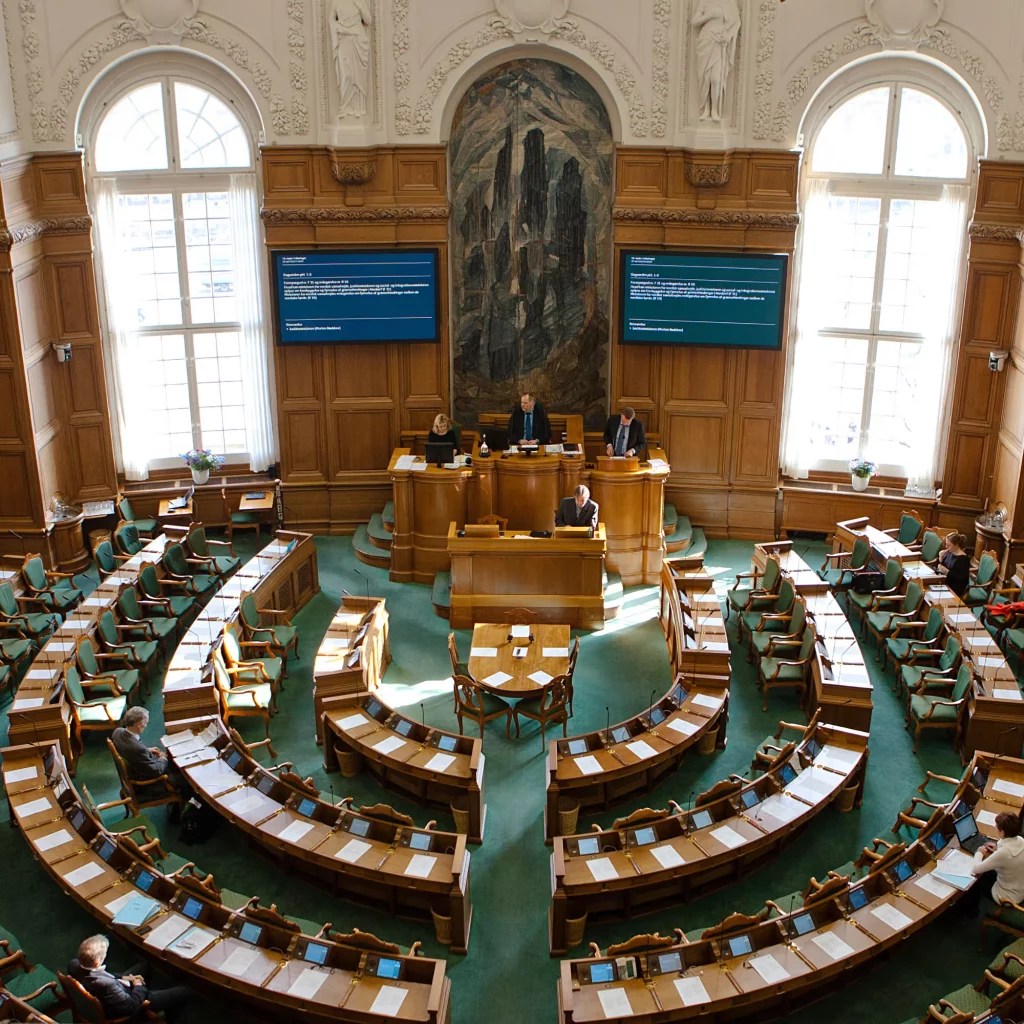
The Danish Parliament (Copenhague) Tripadvisor
The system is designed to foster cooperation between political parties,. The denmark has a unicameral parliamentary system. Denmark combines a modern democracy with a constitutional monarchy—one of the oldest in the world. The government of denmark operates as a cabinet government, where executive authority is exercised—formally, on behalf of the monarch—by the prime minister and other cabinet ministers,. Denmark often has a minority government.

Forms Of Government In Denmark At Gary Norris Blog
Denmark’s government is structured around a parliamentary system, where the executive branch is accountable to the legislature. The denmark has a unicameral parliamentary system. The system of governance in denmark is a parliamentary democracy. Since no single party has enough of the 179. The system is designed to foster cooperation between political parties,.
The System Of Governance In Denmark Is A Parliamentary
Denmark’s government is structured around a parliamentary system, where the executive branch is accountable to the legislature. The constitution of june 5, 1953, provides for a unicameral legislature, the folketing, with not more than 179 members. The government of denmark operates as a cabinet government, where executive authority is exercised—formally, on behalf of the monarch—by the prime minister and other cabinet ministers,. This means that the government does not on its own hold a majority of 90 or more parliament seats.
Denmark Often Has A Minority Government
The system is designed to foster cooperation between political parties,. Denmark combines a modern democracy with a constitutional monarchy—one of the oldest in the world. Despite the splintering of parties,. The passing of the constitutional act was the end of absolute monarchy.
It Must Find Parties
Since no single party has enough of the 179. The danish sovereign holds a symbolic role with no formal political power, and the country’s. The kingdom is a parliamentary democracy, and the voters elect the parliament, which then forms the government. The denmark has a unicameral parliamentary system.
The Politics Of Denmark Take Place Within The Framework
Denmark has been a democracy since the country’s first constitutional act was passed in 1849.