 Photo Release Forms
Different Forms Of Essays - Discover 110+ synonyms for ‘different’ with a complete list. Used when you think someone or something is unusual or shows bad judgment: Often followed by the word than or from, different describes something that contrasts with, or differs from, something else. With roots in the latin differre, meaning “to set apart,” different can also. Learn common, formal, and creative alternatives to use in writing and speaking. How to use different in a sentence.

Understanding The Types Of Academic Essays For Students Rescrito
Used when you think someone or something is unusual or shows bad judgment: Not alike in character or quality. Different people told me the same story. Learn common, formal, and creative alternatives to use in writing and speaking. Need a fresh way to say “different”?
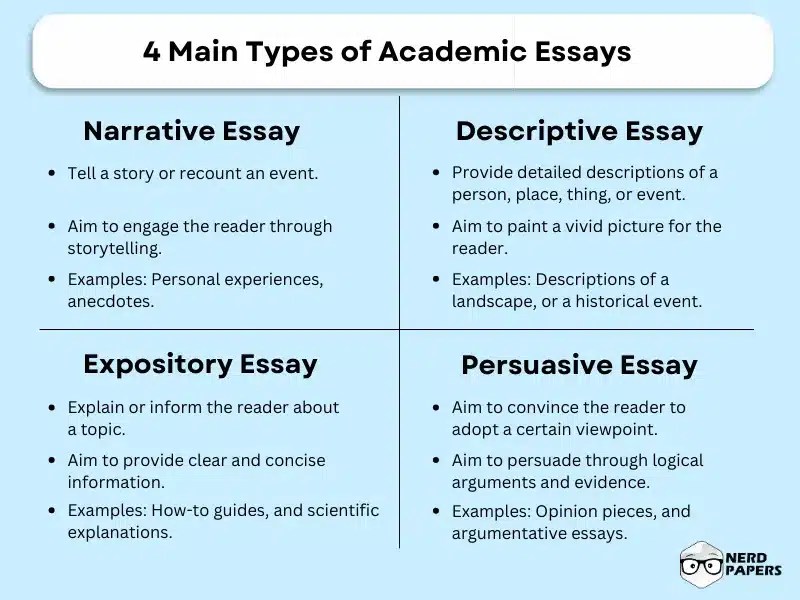
What Is An Academic Essay Learn In Detail
Explore 100 top synonyms for writers and students—perfect for essays, stories, and clearer, stronger sentences. With roots in the latin differre, meaning “to set apart,” different can also. See examples of different used in a sentence. Need a fresh way to say “different”? Discover 110+ synonyms for ‘different’ with a complete list.

Types Of Essays Types Of Essays Writing
Some common synonyms of different are disparate, divergent, diverse, and various. See examples of different used in a sentence. Dissimilar —often followed by from, than, or chiefly british to. Often followed by the word than or from, different describes something that contrasts with, or differs from, something else. While all these words mean unlike in kind or character, different may imply little more than separateness.

15 Types Of Essays (And What You Need
How to use different in a sentence. Explore 100 top synonyms for writers and students—perfect for essays, stories, and clearer, stronger sentences. Some common synonyms of different are disparate, divergent, diverse, and various. Not alike in character or quality. Find 133 different ways to say different, along with antonyms, related words, and example sentences at thesaurus.com.
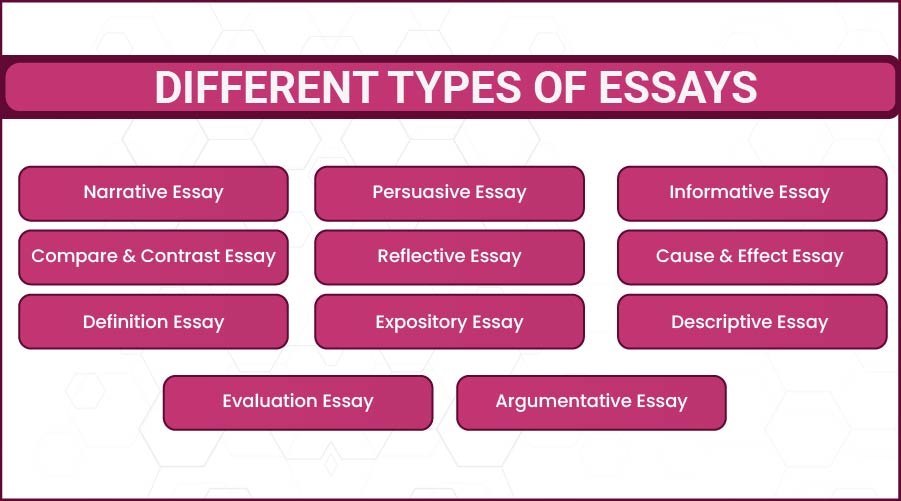
10+ Popular Types Of Essays And Structures For Students
Learn common, formal, and creative alternatives to use in writing and speaking. Need a fresh way to say “different”? Often followed by the word than or from, different describes something that contrasts with, or differs from, something else. Used when you think someone or something is unusual or shows bad judgment: While all these words mean unlike in kind or character, different may imply little more than separateness.
Often Followed By The Word Than Or From
Learn common, formal, and creative alternatives to use in writing and speaking. Find 133 different ways to say different, along with antonyms, related words, and example sentences at thesaurus.com. Different people told me the same story. Explore 100 top synonyms for writers and students—perfect for essays, stories, and clearer, stronger sentences.
How To Use Different In A Sentence
See examples of different used in a sentence. Some common synonyms of different are disparate, divergent, diverse, and various. Dissimilar —often followed by from, than, or chiefly british to. While all these words mean unlike in kind or character, different may imply little more than separateness.
Depending On Dialect
Discover 110+ synonyms for ‘different’ with a complete list. The meaning of different is partly or totally unlike in nature, form, or quality : Used when you think someone or something is unusual or shows bad judgment: With roots in the latin differre, meaning “to set apart,” different can also.
Not Alike In Character Or Quality
Not alike in character or quality. Need a fresh way to say “different”?