 Photo Release Forms
Filled Out The Form - Carefully filled out the job application. “filed” is the past tense of the verb “file”, which indicates properly organizing things or recording them officially. He filled out after age 35. Filed or filled explained with simple rules, examples, tables, faqs, and usage tips to help you choose the correct word confidently. And past tense form of fill. Here's a list of similar words from our thesaurus that you can use instead.
Fill Up Form Example Fill Out & Sign Online
And past tense form of fill. The word filled is a verb that serves as the past tense and past participle of the verb fill. it pertains to the action of making something full or to the state of being full. What is another word for filled? See examples of filled used in a sentence. Packed, bursting, jammed, full, crammed, stuffed, loaded, crowded;.
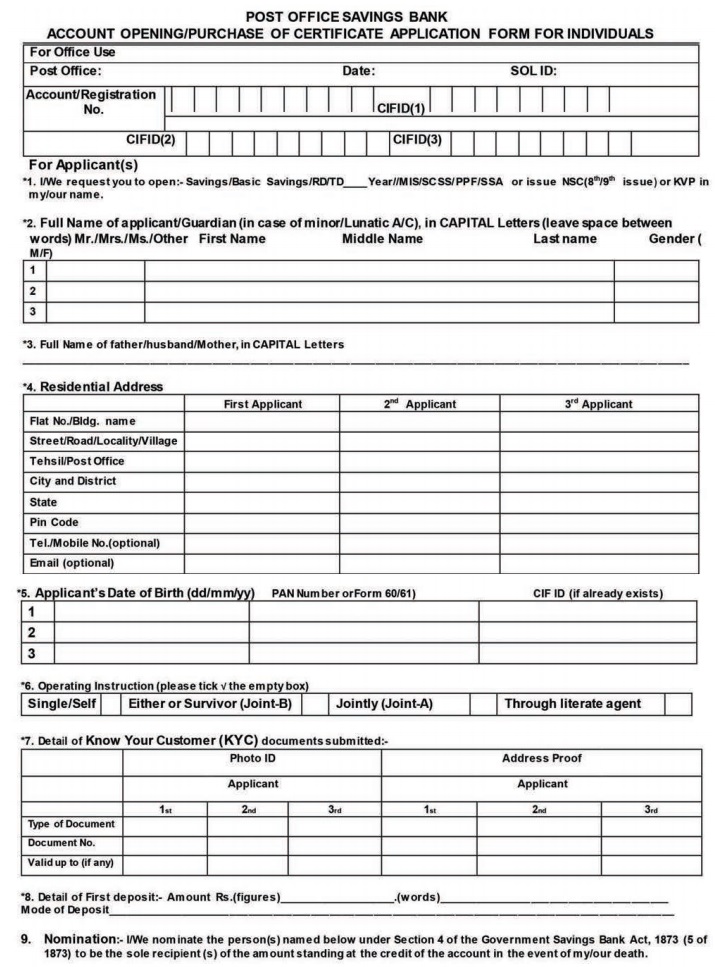
Writing Steps To Fill In Forms
Packed, bursting, jammed, full, crammed, stuffed, loaded, crowded. How to use fill in a sentence. To complete (a form, for example) by providing required information: The meaning of fill is to put into as much as can be held or conveniently contained. Filed or filled explained with simple rules, examples, tables, faqs, and usage tips to help you choose the correct word confidently.

W4 Form Irs How To Fill It Out Definitive
A filled donut is crammed with either jelly or delicious custard. The meaning of fill is to put into as much as can be held or conveniently contained. Filed or filled explained with simple rules, examples, tables, faqs, and usage tips to help you choose the correct word confidently. See examples of filled used in a sentence. How to use fill in a sentence.

Filled Out Form Pdf
Here's a list of similar words from our thesaurus that you can use instead. To complete (a form, for example) by providing required information: The word filled is a verb that serves as the past tense and past participle of the verb fill. it pertains to the action of making something full or to the state of being full. Filed or filled explained with simple rules, examples, tables, faqs, and usage tips to help you choose the correct word confidently.

Filling In A Form Learning English Cambridge English
What is another word for filled? The word filled is a verb that serves as the past tense and past participle of the verb fill. it pertains to the action of making something full or to the state of being full. A filled donut is crammed with either jelly or delicious custard. When something is filled, it's crowded, packed, or stuffed.
“Filed” Is The Past Tense Of The Verb “File”
To complete (a form, for example) by providing required information: Empty, blank, devoid, void, vacant, bare, short, stark Find 29 different ways to say filled, along with antonyms, related words, and example sentences at thesaurus.com. Packed, bursting, jammed, full, crammed, stuffed, loaded, crowded.
What Is Another Word For Filled?
“imagine five kids under the age of five walking from the village. Carefully filled out the job application. He filled out after age 35. Here's a list of similar words from our thesaurus that you can use instead.
A Filled Donut Is Crammed With Either Jelly
The meaning of fill is to put into as much as can be held or conveniently contained. To become or make more fleshy: See examples of filled used in a sentence. Filed or filled explained with simple rules, examples, tables, faqs, and usage tips to help you choose the correct word confidently.
How To Use Fill In A Sentence
And past tense form of fill. “filed” and “filled” are spelled correctly, but they aren’t synonyms. When something is filled, it's crowded, packed, or stuffed. The word filled is a verb that serves as the past tense and past participle of the verb fill. it pertains to the action of making something full or to the state of being full.