 Photo Release Forms
General Form Of A Line - This video explain what general form is, how to find the x and y intercepts, how to graph general form, and how to change to slope. A and b represent the coefficients of x and y. How to determine the equation of a line in standard form given two points? The general form of a line is a way of writing a linear equation as $ax+by+c=0$ax+by+c=0, where $a$a, $b$b, and $c$c are real numbers and $a$a and $b$b are not both zero. The general form isn't always the most useful form, and you may prefer to use: A video lesson all about general form of a line.

Ppt The Slope Of A Line Powerpoint Presentation Id518684
A or b can be zero, but not both at the same time. The standard form, also known as the general form of a linear equation, is one of the three ways in which we can express linear equations. A linear equation can be written in three different forms: The general form of a line is a way of writing a linear equation as $ax+by+c=0$ax+by+c=0, where $a$a, $b$b, and $c$c are real numbers and $a$a and $b$b are not both zero.
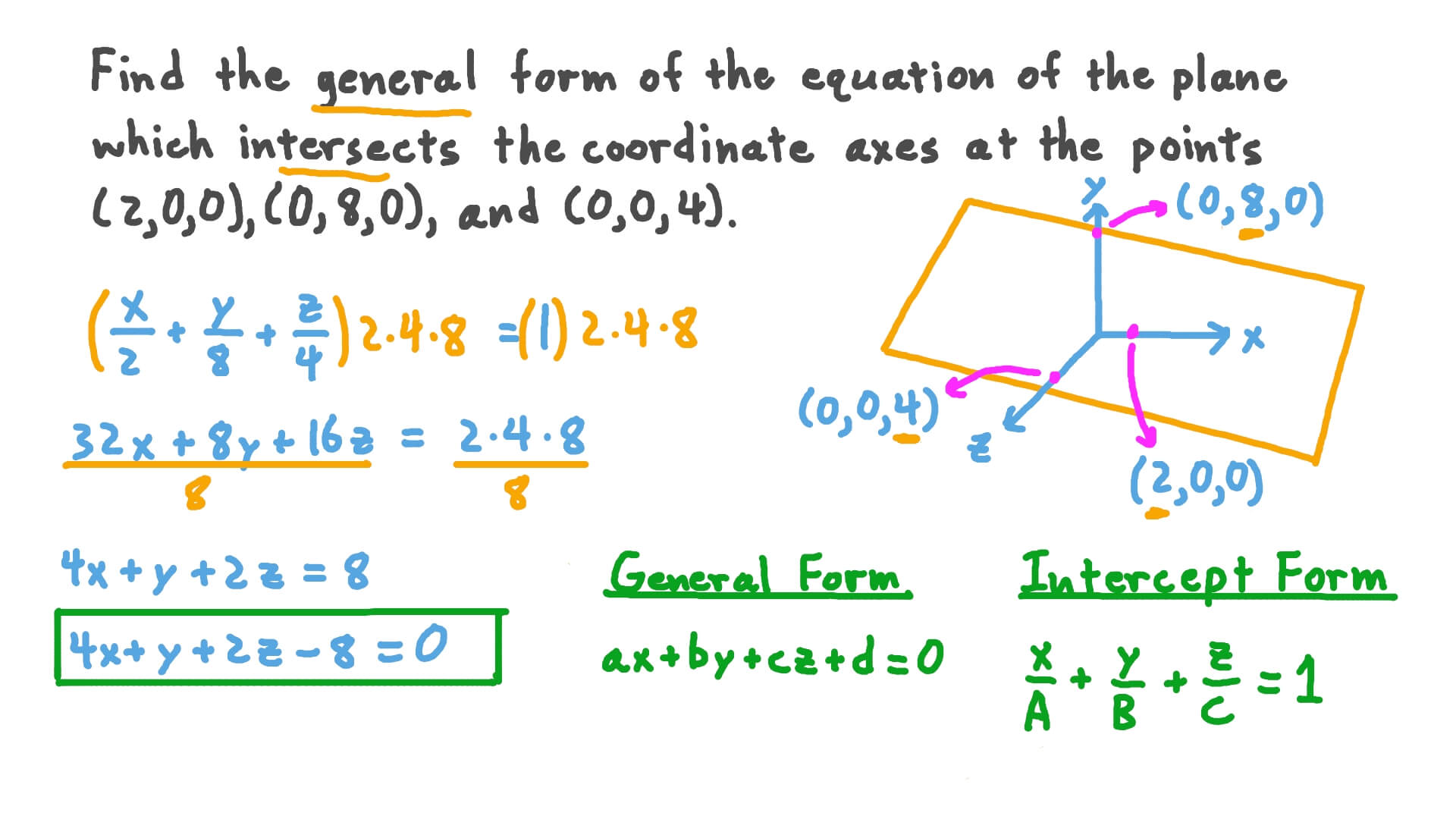
General Form Of A Line
This video explain what general form is, how to find the x and y intercepts, how to graph general form, and how to change to slope. A or b can be zero, but not both at the same time. The general equation of a line in two variables is ax + by + c = 0, where a, b, and c are constants and a and b are not both zero.

General Form Of A Line
A or b can be zero, but not both at the same time. This video explain what general form is, how to find the x and y intercepts, how to graph general form, and how to change to slope. A and b represent the coefficients of x and y. The standard form, also known as the general form of a linear equation, is one of the three ways in which we can express linear equations.

Ppt Lines And Slopes Powerpoint Presentation, Free Download Id2977726
A and b represent the coefficients of x and y. The general form of a line is a way of writing a linear equation as $ax+by+c=0$ax+by+c=0, where $a$a, $b$b, and $c$c are real numbers and $a$a and $b$b are not both zero. Ax + by + c = 0. The standard form, also known as the general form of a linear equation, is one of the three ways in which we can express linear equations.

General Form Of A Line
Ax + by + c = 0. The general form of a line is a way of writing a linear equation as $ax+by+c=0$ax+by+c=0, where $a$a, $b$b, and $c$c are real numbers and $a$a and $b$b are not both zero. The standard form, also known as the general form of a linear equation, is one of the three ways in which we can express linear equations.
In Standard Form
This video explain what general form is, how to find the x and y intercepts, how to graph general form, and how to change to slope. The general form isn't always the most useful form, and you may prefer to use: The general form of a line is a way of writing a linear equation as $ax+by+c=0$ax+by+c=0, where $a$a, $b$b, and $c$c are real numbers and $a$a and $b$b are not both zero. A linear equation can be written in three different forms:
The General Equation Of A Line In Two Variables
Ax + by + c = 0. The standard form, also known as the general form of a linear equation, is one of the three ways in which we can express linear equations. A and b represent the coefficients of x and y. A or b can be zero, but not both at the same time.
General Form Of A Line
This general form linear equation calculator will help determine the linear equation for a line from two coordinates.