 Photo Release Forms
How Are Calluses Formed - From symptoms to treatment to prevention, get the basics on corns and calluses from the experts at webmd. Calluses are thickened areas of skin that often form on your feet and heels. Corns and calluses are thick, hardened layers of skin that develop when the skin tries to protect itself against friction or pressure. They most frequently occur on your hands, feet and toes. You may be able to get rid of calluses on your feet with natural remedies, or, for more stubborn calluses, you may need to visit a podiatrist for treatment. Corns and calluses develop from repeated friction, rubbing or irritation and pressure on your skin.
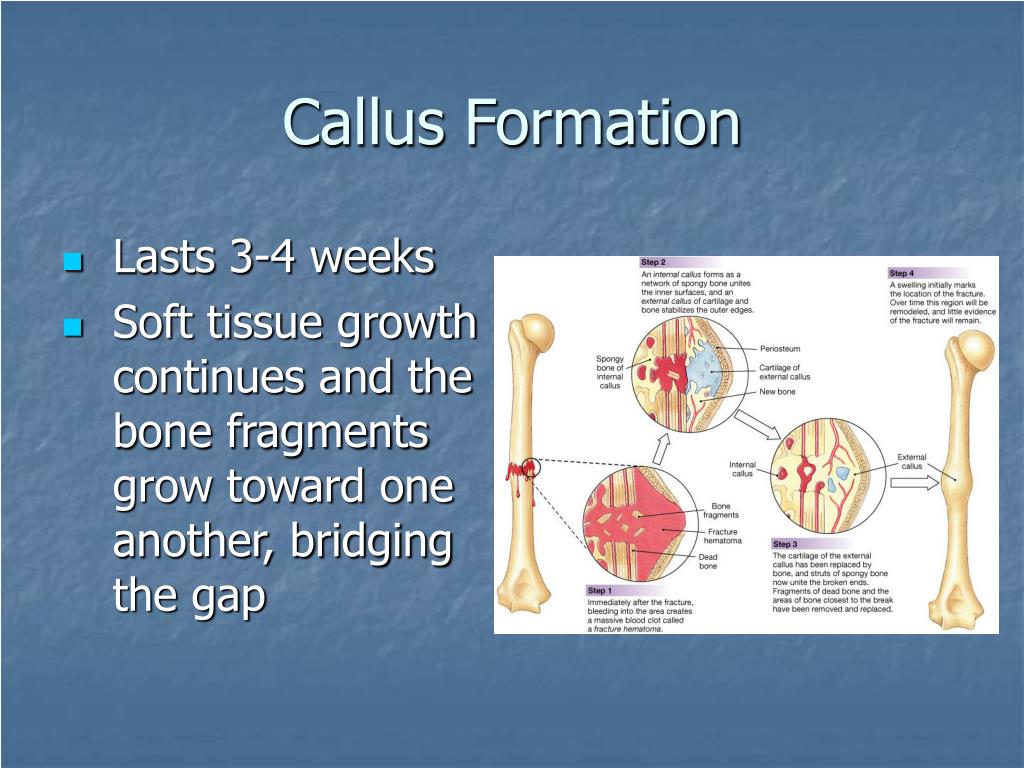
Ppt Orthopedic Surgery Powerpoint Presentation, Free Download Id
Calluses are thickened areas of skin that often form on your feet and heels. From symptoms to treatment to prevention, get the basics on corns and calluses from the experts at webmd. They most frequently occur on your hands, feet and toes. You may be able to get rid of calluses on your feet with natural remedies, or, for more stubborn calluses, you may need to visit a podiatrist for treatment.

Calluses And Corns Active Alignment Orthotics
If you’d like to get rid of your calluses because you don’t like how they look, there are some natural remedies you can try at home. You may be able to get rid of calluses on your feet with natural remedies, or, for more stubborn calluses, you may need to visit a podiatrist for treatment. Calluses are thickened areas of skin that often form on your feet and heels.

Callus Forming On Sole Of Foot And Its Anatomical
They often form on feet and toes or hands and fingers. If you’d like to get rid of your calluses because you don’t like how they look, there are some natural remedies you can try at home. You may be able to get rid of calluses on your feet with natural remedies, or, for more stubborn calluses, you may need to visit a podiatrist for treatment.

Calluses On Hands Stock Vector. Illustration Of Anatomy 147844383
Calluses are thickened areas of skin that often form on your feet and heels. They most frequently occur on your hands, feet and toes. Calluses) (also known as a tyloma) is an area of thickened and sometimes hardened skin that forms as a response to repeated friction, pressure, or other irritation. If you’d like to get rid of your calluses because you don’t like how they look, there are some natural remedies you can try at home.

Understanding Calluses From Rowing And How To Manage Them
Calluses) (also known as a tyloma) is an area of thickened and sometimes hardened skin that forms as a response to repeated friction, pressure, or other irritation. From symptoms to treatment to prevention, get the basics on corns and calluses from the experts at webmd. Calluses are thickened areas of skin that often form on your feet and heels. Find out more about these hardened areas of skin that often affect the feet and fingers.
Calluses) (Also Known As A Tyloma) Is An Area
From symptoms to treatment to prevention, get the basics on corns and calluses from the experts at webmd. You may be able to get rid of calluses on your feet with natural remedies, or, for more stubborn calluses, you may need to visit a podiatrist for treatment. Corns and calluses develop from repeated friction, rubbing or irritation and pressure on your skin. Calluses are thickened areas of skin that often form on your feet and heels.
Find Out More About These Hardened Areas Of Skin
The most common cause is. If you’d like to get rid of your calluses because you don’t like how they look, there are some natural remedies you can try at home. Corns and calluses are thick, hardened layers of skin that develop when the skin tries to protect itself against friction or pressure. They often form on feet and toes or hands and fingers.
Learn How To Treat And Prevent Calluses
They most frequently occur on your hands, feet and toes.