 Photo Release Forms
How Many Bonds Can Oxygen Form - “ we've used manychat to generate over $65 million in sales. The meaning of many is consisting of or amounting to a large but indefinite number. I don't think many people would argue with that. We use the quantifiers much, many, a lot of, lots of to talk about quantities, amounts and degree. See examples of many used in a sentence. You use many to indicate that you are talking about a large number of people or things.
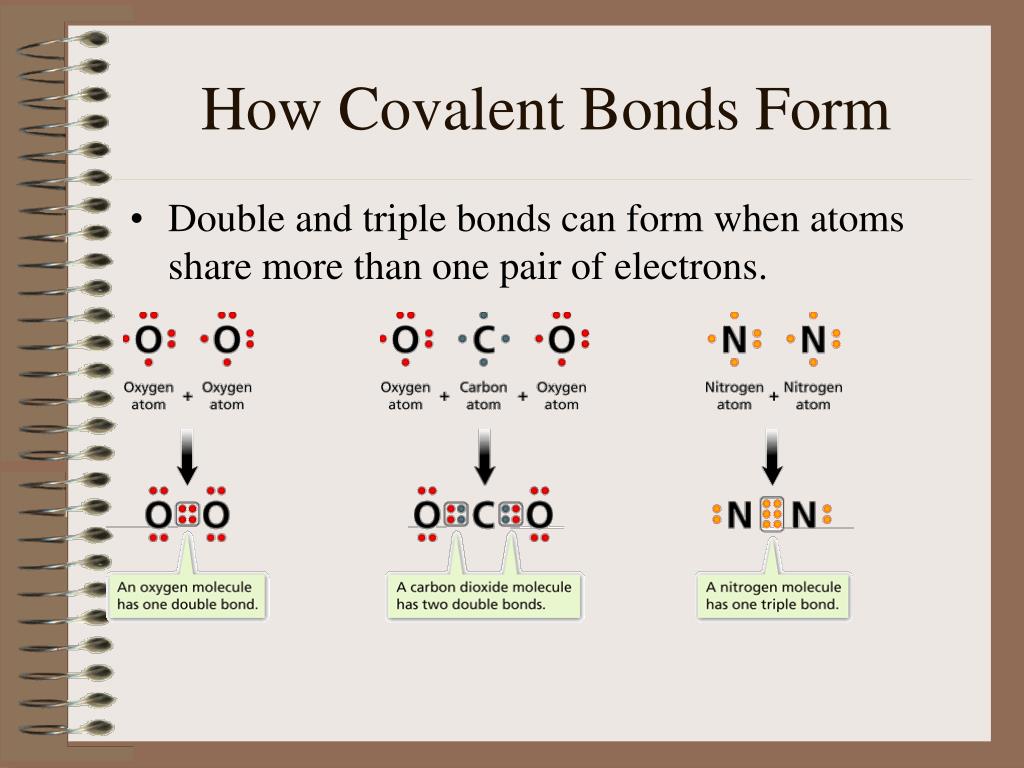
Ppt Notes 53 Covalent Bonds Powerpoint Presentation, Free Download
The majority of people in a group, often contrasted with the few many is a word used to signify a large but indefinite number of people or things. We use the quantifiers much, many, a lot of, lots of to talk about quantities, amounts and degree. “ we've used manychat to generate over $65 million in sales. Constituting or forming a large number. We can use them with a noun (as a determiner) or without a noun (as a pronoun).

Covalent Bonding Clearly Explained Science Videos & Content
Sell more, engage better, and grow your audience with powerful automations for instagram, whatsapp, tiktok, and messenger. We use the quantifiers much, many, a lot of, lots of to talk about quantities, amounts and degree. Do you keep many books. A large number of persons or things: The majority of people in a group, often contrasted with the few many is a word used to signify a large but indefinite number of people or things.

Covalent Bonding Explained Mes
Not many films are made in finland. Sell more, engage better, and grow your audience with powerful automations for instagram, whatsapp, tiktok, and messenger. The majority of people in a group, often contrasted with the few many is a word used to signify a large but indefinite number of people or things. We can use them with a noun (as a determiner) or without a noun (as a pronoun).

Ppt Ks4 Chemistry Powerpoint Presentation, Free Download Id2755080
We use the quantifiers much, many, a lot of, lots of to talk about quantities, amounts and degree. Constituting or forming a large number. Do you keep many books. We can use them with a noun (as a determiner) or without a noun (as a pronoun). Not many films are made in finland.

Covalent Bonding Clearly Explained Science Videos & Content
Not many films are made in finland. Do you keep many books. Sell more, engage better, and grow your audience with powerful automations for instagram, whatsapp, tiktok, and messenger. How to use many in a sentence. Find 74 different ways to say many, along with antonyms, related words, and example sentences at thesaurus.com.
We Can Use Them With A Noun (As
The majority of people in a group, often contrasted with the few many is a word used to signify a large but indefinite number of people or things. For many are called, but few are chosen (matthew 22:14). You use many to indicate that you are talking about a large number of people or things. We use the quantifiers much, many, a lot of, lots of to talk about quantities, amounts and degree.
How To Use Many In A Sentence
Constituting or forming a large number. I don't think many people would argue with that. Find 74 different ways to say many, along with antonyms, related words, and example sentences at thesaurus.com. Numerous, multiple, several, countless, some, all kinds of, quite a few, multitudinous.
Not Many Films Are Made In Finland
Do you keep many books. Simple explanations to help you use many correctly. “ we've used manychat to generate over $65 million in sales. See examples of many used in a sentence.
The Meaning Of Many Is Consisting Of Or Amounting
A large number of persons or things: Sell more, engage better, and grow your audience with powerful automations for instagram, whatsapp, tiktok, and messenger.