 Photo Release Forms
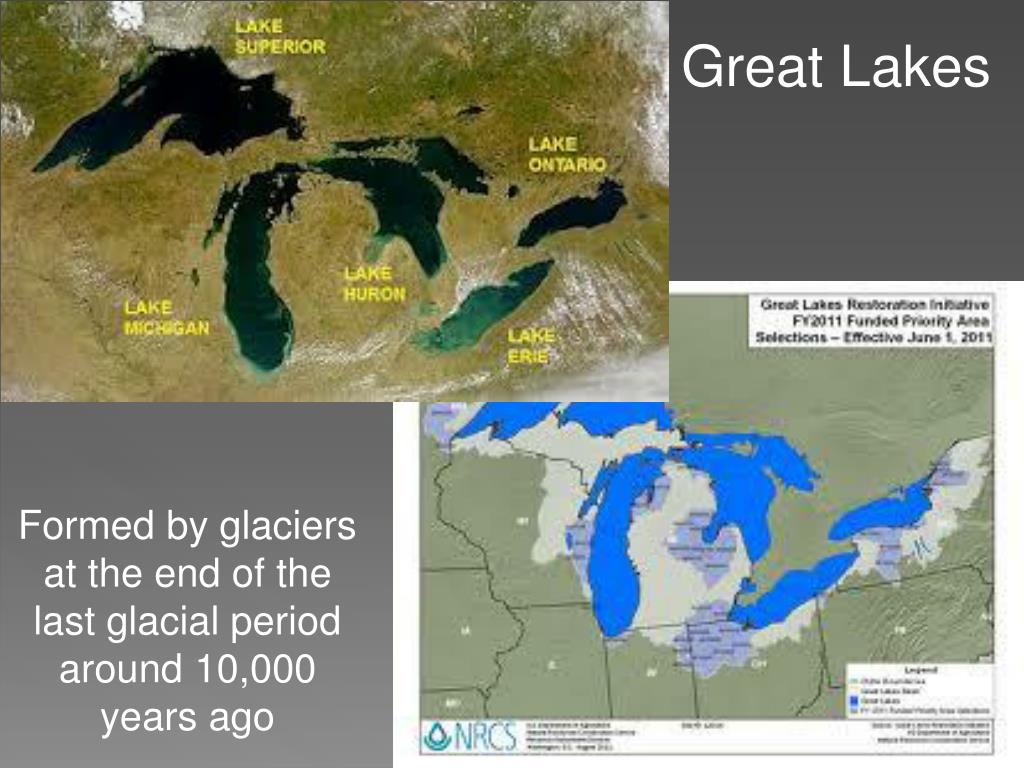
How Were The Great Lakes Formed - About a billion years ago, a fracture in the earth running from what is now oklahoma to lake superior generated volcanic activity that almost split north america. Scientists have also estimated that. The great lakes began to form at the end of the last glacial period around 14,000 years ago, as retreating ice sheets exposed the basins they had carved into the land, which then filled with. The deep basins of the great lakes were created by the laurentide ice sheet, a continental glacier that covered much of north america during the pleistocene epoch, whose. Their story starts with a continental split that tried to tear north. About 570 million years ago, the saint lawrence rift was formed, which laid the basis for creating lake erie, lake ontario, and the saint lawrence river.

Great Lakes Wikipedia
Five fantastic freshwater seas collectively known. About a billion years ago, a fracture in the earth running from what is now oklahoma to lake superior generated volcanic activity that almost split north america. How the great lakes were formed the great lakes took more than a billion years to carve into their present shape. Their story starts with a continental split that tried to tear north.
Ppt Physical Geography Of The United States And Canada
Five fantastic freshwater seas collectively known. Five fantastic freshwater seas collectively known today as the great. The deep basins of the great lakes were created by the laurentide ice sheet, a continental glacier that covered much of north america during the pleistocene epoch, whose. These breathtaking bodies of water were carved out over millennia by massive ice sheets that acted as colossal chisels, gouging out deep basins in the earth’s surface.

How Were The Great Lakes Formed
Scientists have also estimated that. The deep basins of the great lakes were created by the laurentide ice sheet, a continental glacier that covered much of north america during the pleistocene epoch, whose. These breathtaking bodies of water were carved out over millennia by massive ice sheets that acted as colossal chisels, gouging out deep basins in the earth’s surface.

Glaciation Erosion How The Last Ice Age Shaped
About 570 million years ago, the saint lawrence rift was formed, which laid the basis for creating lake erie, lake ontario, and the saint lawrence river. About a billion years ago, a fracture in the earth running from what is now oklahoma to lake superior generated volcanic activity that almost split north america. The great lakes began to form at the end of the last glacial period around 14,000 years ago, as retreating ice sheets exposed the basins they had carved into the land, which then filled with.

How Did The Great Lakes Form
Five fantastic freshwater seas collectively known. About a billion years ago, a fracture in the earth running from what is now oklahoma to lake superior generated volcanic activity that almost split north america. Five fantastic freshwater seas collectively known today as the great. Their story starts with a continental split that tried to tear north. How the great lakes were formed the great lakes took more than a billion years to carve into their present shape.
How The Great Lakes Were Formed The Great Lakes
Five fantastic freshwater seas collectively known. About a billion years ago, a fracture in the earth running from what is now oklahoma to lake superior generated volcanic activity that almost split north america. Five fantastic freshwater seas collectively known today as the great. About 570 million years ago, the saint lawrence rift was formed, which laid the basis for creating lake erie, lake ontario, and the saint lawrence river.
The Great Lakes Began To Form At The End
Scientists have also estimated that. How were the great lakes formed? These breathtaking bodies of water were carved out over millennia by massive ice sheets that acted as colossal chisels, gouging out deep basins in the earth’s surface. The deep basins of the great lakes were created by the laurentide ice sheet, a continental glacier that covered much of north america during the pleistocene epoch, whose.