 Photo Release Forms
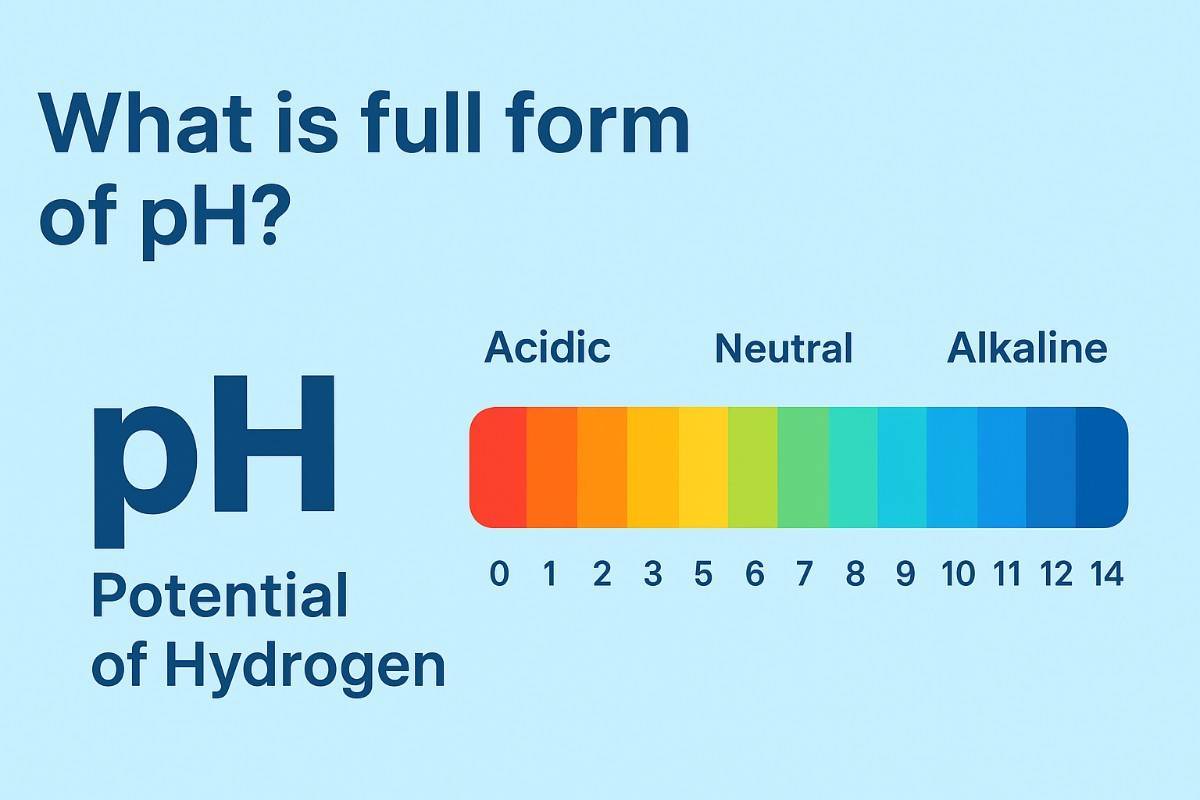
Ph Full Form - The range goes from 0 to 14, with 7 being neutral. Phs of less than 7 indicate acidity, whereas a ph of greater than 7 indicates a base. The term, widely used in chemistry, biology, and agronomy, translates the values of. The ph scale typically ranges from 0 to 14, where 7 is neutral,. It ranges from 0 to 14 and reflects the relative concentration of hydrogen ions (h⁺) and hydroxide ions (oh⁻) in aqueous solutions. A ph value is the quantitative measure of the acidity or basicity of aqueous or other liquid solutions.

A Ph Scale On White Background 292506 Vector Art
The term “ph” stands for “potential of hydrogen,” and it is a unit of measurement for the concentration of hydrogen ions in a solution. See a chart of the ph of common chemicals and learn what ph means. The ph scale is a measurement system that ranges from 0 to 14 and indicates the acidity or alkalinity (basicity) of a solution.

Ph measures the concentration of hydrogen ions (h⁺) in a solution and indicates whether a solution is acidic, neutral, or basic. Ph affects most chemical and biological processes in water. Ph is a scale used to measure the acidity or basicity of a solution. A ph value is the quantitative measure of the acidity or basicity of aqueous or other liquid solutions.

Ph Full Form, Importance, And Applications 3D Aqua
Ph values above 7 are commonly referred to as “basic” (or “alkaline”). The range goes from 0 to 14, with 7 being neutral. Ph affects most chemical and biological processes in water. See a chart of the ph of common chemicals and learn what ph means. The term “ph” stands for “potential of hydrogen,” and it is a unit of measurement for the concentration of hydrogen ions in a solution.

It is one of the most important environmental factors limiting species distributions in aquatic habitats. Ph measures the concentration of hydrogen ions (h⁺) in a solution and indicates whether a solution is acidic, neutral, or basic. Measurements of ph are important in chemistry, agronomy, medicine, water. See a chart of the ph of common chemicals and learn what ph means.
Ph Full Form
Ph affects most chemical and biological processes in water. Phs of less than 7 indicate acidity, whereas a ph of greater than 7 indicates a base. Measurements of ph are important in chemistry, agronomy, medicine, water. The ph scale shows how acidic or alkaline (basic) a chemical is in water. These common terms engender confusion, because a ph value does not directly reflect a quantitative measure of the concentration.
The Ph Scale Typically Ranges From 0 To 14
A ph value is the quantitative measure of the acidity or basicity of aqueous or other liquid solutions. Ph is a measure of how acidic/basic water is. Ph measures the concentration of hydrogen ions (h⁺) in a solution and indicates whether a solution is acidic, neutral, or basic. The concept of ph was first introduced by the danish.
The Term “Ph” Stands For “Potential Of Hydrogen,”
It ranges from 0 to 14 and reflects the relative concentration of hydrogen ions (h⁺) and hydroxide ions (oh⁻) in aqueous solutions. The term, widely used in chemistry, biology, and agronomy, translates the values of. Ph is a scale used to measure the acidity or basicity of a solution. It is one of the most important environmental factors limiting species distributions in aquatic habitats.
These Common Terms Engender Confusion
Measurements of ph are important in chemistry, agronomy, medicine, water. Ph values above 7 are commonly referred to as “basic” (or “alkaline”). Phs of less than 7 indicate acidity, whereas a ph of greater than 7 indicates a base. The ph scale shows how acidic or alkaline (basic) a chemical is in water.
See A Chart Of The Ph Of Common Chemicals
The ph scale is a measurement system that ranges from 0 to 14 and indicates the acidity or alkalinity (basicity) of a solution. Ph affects most chemical and biological processes in water. The range goes from 0 to 14, with 7 being neutral.