 Photo Release Forms
Probiotics Colony Forming Units - What are probiotics and how do they work? In simple terms, probiotics are live microorganisms that help support the balance of bacteria in your gut and other areas of the body. Probiotic foods such as miso, kefir, and yogurt help the hundreds of thousands of bacteria in your gut. Probiotics are live microorganisms that are intended to support or improve the health and wellbeing of a host organism. They are commonly used in both humans and animals. In addition to being present in some foods, probiotic supplements can also be purchased over the counter.

Colony Forming Units (Cfus) In Microbiology Estimating Bacterial
Learn their benefits, best food sources, and how they support digestion, immunity, and gut health. In simple terms, probiotics are live microorganisms that help support the balance of bacteria in your gut and other areas of the body. Find a list of foods high in probiotics here. What are probiotics and how do they work? In addition to being present in some foods, probiotic supplements can also be purchased over the counter.

Wins Town Each Probiotic Tablet Contains 30 Billion Colonyforming
Learn their benefits, best food sources, and how they support digestion, immunity, and gut health. Find a list of foods high in probiotics here. Probiotics are food and health products that contribute live, beneficial microbes to the populations within your gut and elsewhere, in order to strengthen those communities. Probiotic foods such as miso, kefir, and yogurt help the hundreds of thousands of bacteria in your gut.
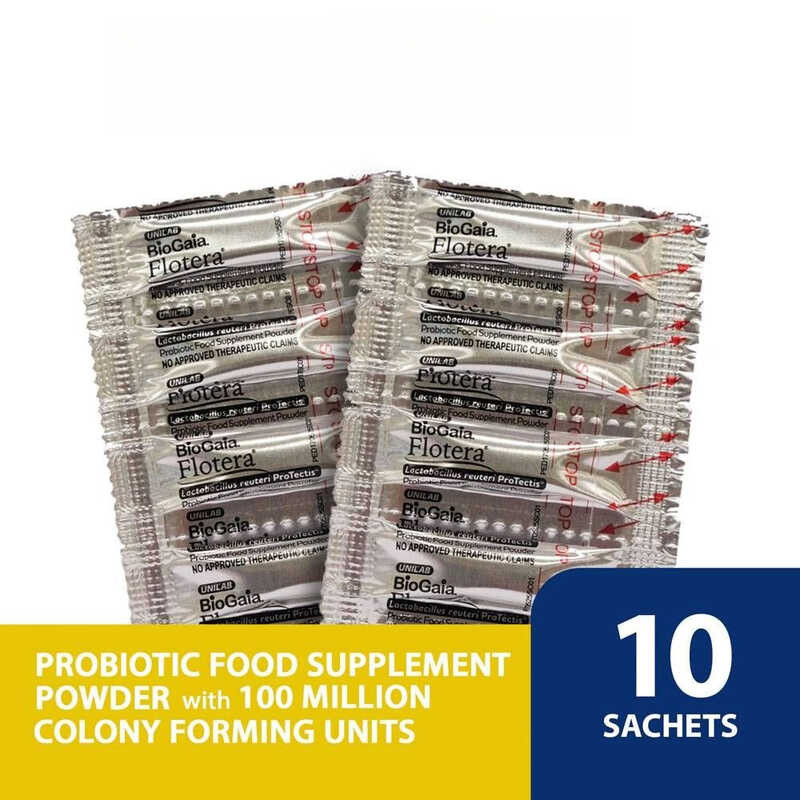
Cod Genuine And Original Flotera Powder S Probiotic Food
What are probiotics and how do they work? In simple terms, probiotics are live microorganisms that help support the balance of bacteria in your gut and other areas of the body. Read on to learn what the research shows about the health benefits of taking probiotics, what to look for in a probiotic supplement and how to get probiotics from food.

(A) Images Of Colony Forming Unit (Cfu) Of Four
Find a list of foods high in probiotics here. Read on to learn what the research shows about the health benefits of taking probiotics, what to look for in a probiotic supplement and how to get probiotics from food. Probiotic foods such as miso, kefir, and yogurt help the hundreds of thousands of bacteria in your gut. What are probiotics and how do they work?

Single And Dualspecies Biofilm Formation Of Probiotic E. Coli
Read on to learn what the research shows about the health benefits of taking probiotics, what to look for in a probiotic supplement and how to get probiotics from food. Probiotic foods such as miso, kefir, and yogurt help the hundreds of thousands of bacteria in your gut. Probiotics are naturally found in. What are probiotics and how do they work?
Read On To Learn What The Research Shows
Find a list of foods high in probiotics here. Learn their benefits, best food sources, and how they support digestion, immunity, and gut health. Probiotics are specific living microorganisms, most often bacteria or yeast that help the body digest food or help with symptoms of certain illnesses. What are probiotics and how do they work?
Probiotics Are Food And Health Products That Contribute Live
Probiotics are beneficial live bacteria that support gut health. Probiotics are live microorganisms that are intended to support or improve the health and wellbeing of a host organism. Probiotic foods such as miso, kefir, and yogurt help the hundreds of thousands of bacteria in your gut. In addition to being present in some foods, probiotic supplements can also be purchased over the counter.
In Simple Terms
They are commonly used in both humans and animals. Probiotics are naturally found in.