 Insurance Coverage Insights
Self Insured Retention - Organizations can use it as a risk management tool to reduce the cost of insurance premiums. A key difference between them is that a deductible reduces the limit of insurance while an sir does not. Sirs are commonly used in commercial general liability, environmental liability, cyber liability, and other policies covering major loss exposures. In contrast, a deductible policy often requires the insurer to cover your losses immediately, and then collect reimbursement from you afterward. Before the insurance policy can take care of any damage, defense or loss, the insured needs to pay this clearly defined amount. What is a self insured retention?

Selfinsured Retention (Sir) In Construction Insurance Explained Procore
Sirs are commonly used in commercial general liability, environmental liability, cyber liability, and other policies covering major loss exposures. Before the insurance policy can take care of any damage, defense or loss, the insured needs to pay this clearly defined amount. This structure is common in liability policies for. A key difference between them is that a deductible reduces the limit of insurance while an sir does not.

Self Insured Retention
Organizations can use it as a risk management tool to reduce the cost of insurance premiums. One option for protecting your business is through self insured retention (sir) insurance policies. What is a self insured retention? Unlike a deductible, which the insurer deducts from claim payments, an sir requires the insured to handle initial losses directly. Sirs are commonly used in commercial general liability, environmental liability, cyber liability, and other policies covering major loss exposures.

Deductibles And Self Insured Retention Aligned Insurance
This structure is common in liability policies for. Under a policy written with an sir provision, the insured (rather than the insurer) pays the defense and/or indemnity costs associated with a claim until the sir limit is reached. Sirs are commonly used in commercial general liability, environmental liability, cyber liability, and other policies covering major loss exposures. Organizations can use it as a risk management tool to reduce the cost of insurance premiums.

Selfinsured Retention Vs Deductible What Are The Differences?
What is a self insured retention? This structure is common in liability policies for. In contrast, a deductible policy often requires the insurer to cover your losses immediately, and then collect reimbursement from you afterward. Under a policy written with an sir provision, the insured (rather than the insurer) pays the defense and/or indemnity costs associated with a claim until the sir limit is reached.
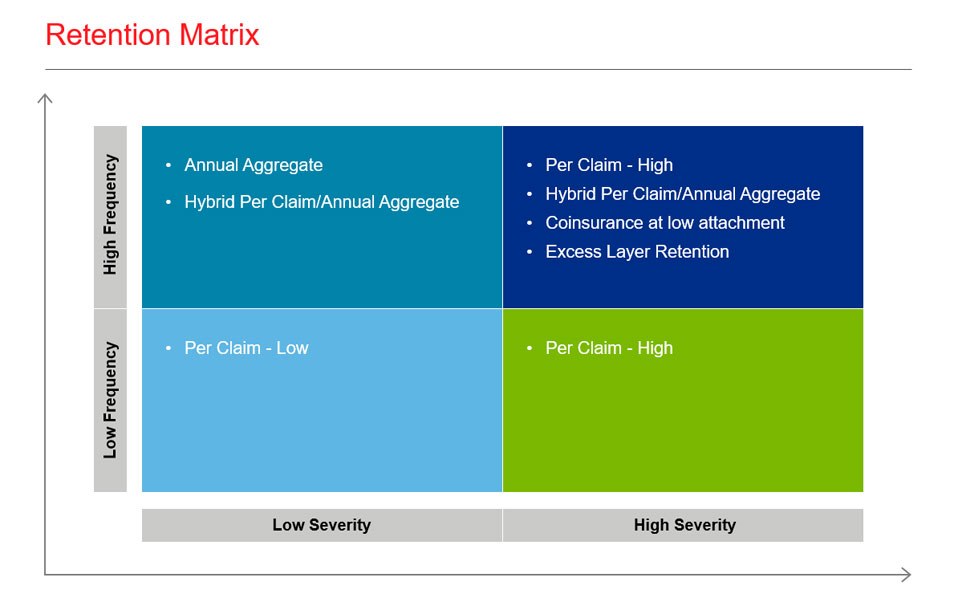
Self Insured Retention Policy Kenyachambermines
What is a self insured retention? Sirs are commonly used in commercial general liability, environmental liability, cyber liability, and other policies covering major loss exposures. Unlike a deductible, which the insurer deducts from claim payments, an sir requires the insured to handle initial losses directly. Before the insurance policy can take care of any damage, defense or loss, the insured needs to pay this clearly defined amount.
What Is A Self Insured Retention?
Before the insurance policy can take care of any damage, defense or loss, the insured needs to pay this clearly defined amount. Under a policy written with an sir provision, the insured (rather than the insurer) pays the defense and/or indemnity costs associated with a claim until the sir limit is reached. One option for protecting your business is through self insured retention (sir) insurance policies. This structure is common in liability policies for.
A Key Difference Between Them
Unlike a deductible, which the insurer deducts from claim payments, an sir requires the insured to handle initial losses directly. In contrast, a deductible policy often requires the insurer to cover your losses immediately, and then collect reimbursement from you afterward. Sirs are commonly used in commercial general liability, environmental liability, cyber liability, and other policies covering major loss exposures. Organizations can use it as a risk management tool to reduce the cost of insurance premiums.