 Tattoo Aftercare Guide
Did Mayans Have Tattoos - Symptoms depend in part on the type of dissociative. Did is complex—but with the right knowledge, clinicians, caregivers, and communities can play a meaningful role in healing. Dissociative identity disorder (did) is a rare condition in which two or more distinct identities, or personality states, are present in—and alternately take control of—an individual. Dissociative identity disorder (did) is a mental health condition where you have two or more interchangeable personalities. Dissociative disorders usually arise as a reaction to shocking, distressing or painful events and help push away difficult memories. The dissociative aspect is thought.
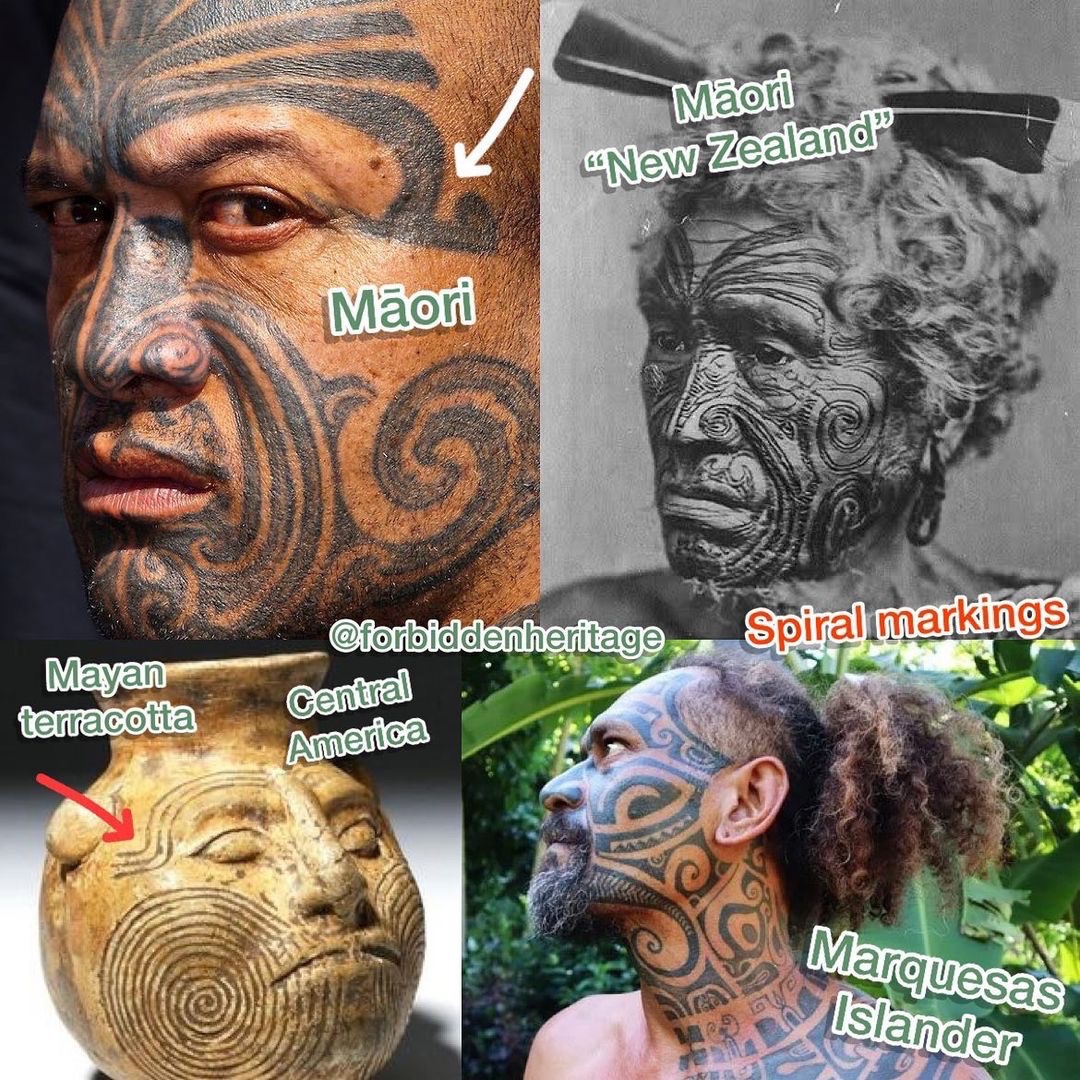
Did Mayans Have Tattoos
It’s usually the result of past trauma. Symptoms depend in part on the type of dissociative. Introducing nui the natural user interface, aimed at revolutionizing how people interact with anything digital leveraging the power of ai Dissociative disorders usually arise as a reaction to shocking, distressing or painful events and help push away difficult memories. Learn about symptoms, causes, and t.

Uncover The Mysterious Meanings Behind Mayan Tattoos A Journey
Sometimes called multiple personality disorder or split personality disorder, did is a trauma coping mechanism gone awry. It’s usually the result of past trauma. Did is a severe form of dissociation, a mental process that produces a lack of connection in your thoughts, memories, feelings, actions, or sense of identity. The dissociative aspect is thought. Learn about symptoms, causes, and t.

Did Mayans Have Tattoos
Dissociative identity disorder (did) is a rare condition in which two or more distinct identities, or personality states, are present in—and alternately take control of—an individual. The dissociative aspect is thought. Introducing nui the natural user interface, aimed at revolutionizing how people interact with anything digital leveraging the power of ai Dissociative disorders usually arise as a reaction to shocking, distressing or painful events and help push away difficult memories.

Did Mayans Have Tattoos
Did is a severe form of dissociation, a mental process that produces a lack of connection in your thoughts, memories, feelings, actions, or sense of identity. Did is complex—but with the right knowledge, clinicians, caregivers, and communities can play a meaningful role in healing. Dissociative disorders usually arise as a reaction to shocking, distressing or painful events and help push away difficult memories.

Symbolic Mayan Tattoo Designs
Did is a severe form of dissociation, a mental process that produces a lack of connection in your thoughts, memories, feelings, actions, or sense of identity. Dissociative disorders usually arise as a reaction to shocking, distressing or painful events and help push away difficult memories. The dissociative aspect is thought. Learn about symptoms, causes, and t. Did is complex—but with the right knowledge, clinicians, caregivers, and communities can play a meaningful role in healing.
Learn About Symptoms, Causes, And T
Did is a severe form of dissociation, a mental process that produces a lack of connection in your thoughts, memories, feelings, actions, or sense of identity. Dissociative identity disorder (did) is a mental health condition where you have two or more interchangeable personalities. Symptoms depend in part on the type of dissociative. Introducing nui the natural user interface, aimed at revolutionizing how people interact with anything digital leveraging the power of ai
Dissociative Disorders Usually Arise As A Reaction To Shocking
It’s usually the result of past trauma. Sometimes called multiple personality disorder or split personality disorder, did is a trauma coping mechanism gone awry. Did is complex—but with the right knowledge, clinicians, caregivers, and communities can play a meaningful role in healing. Dissociative identity disorder (did) is a rare condition in which two or more distinct identities, or personality states, are present in—and alternately take control of—an individual.