 Tattoo Aftercare Guide
Keloid Scar Tattoo - For example, if someone has an allergic skin reaction to the gold in their earrings, the swelling can look like a keloid. If it looks like you. The scar grows larger than the initial wound. Unlike a normal scar, which flattens and fades over time, a keloid keeps. A keloid scar is a type of raised scar. Keloids don’t fade over time.

Keloid Scar Tattoo Coverup Story & Tips Youtube
It forms months to a year after the injury that caused it. Examples include an insect bite, acne, a shot, body piercings, burns, hair removal, and even minor scratches and bumps. A keloid scar is a type of raised scar. Once you develop a keloid, it can be challenging to eliminate. Keloids don’t fade over time.
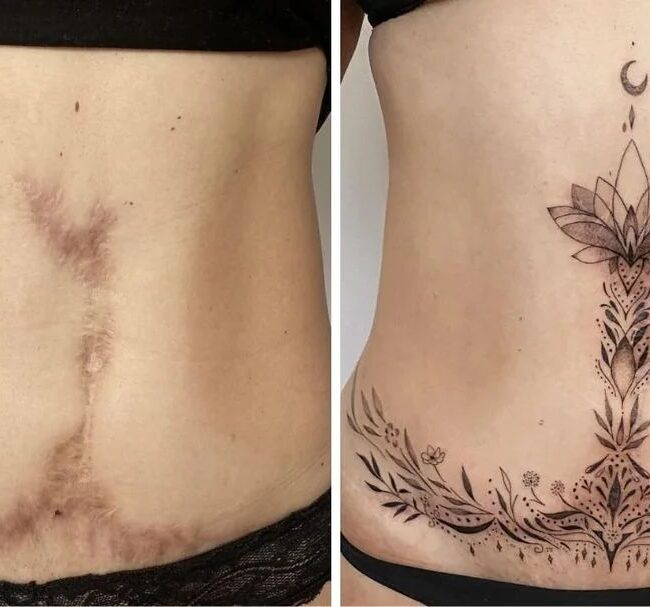
Keloid Scar Tattoo Sam Tattoo India
The scar grows larger than the initial wound. A keloid scar is a type of raised scar. Hypertrophic scars and keloids are fibroproliferative disorders that result from aberrant wound healing in predisposed individuals following trauma, inflammation, surgery, or burns. It forms months to a year after the injury that caused it. A keloid is a type of raised scar that grows beyond the boundaries of the original wound and doesn’t stop on its own.

Scar Keloid Cover At Inez Anderson Blog
A keloid scar is a firm, smooth, hard growth that occurs as a result of excessive scar formation. A keloid scar is a type of raised scar. Keloids are firm, rubbery lesions or shiny, fibrous. For the treatment to work, most people need to wear the. Keloids don’t fade over time.

Sun Flower Keloid Scar Cover Up Tattoomy First Tattoo
For the treatment to work, most people need to wear the. If it looks like you. A keloid scar is a type of raised scar. Sometimes, another skin condition can look like a keloid. Keloids are firm, rubbery lesions or shiny, fibrous.

Keloid Scar Image
A keloid scar is a firm, smooth, hard growth that occurs as a result of excessive scar formation. A keloid is a type of scar that appears as a raised, thickened area on your skin that results from the healing process after a wound. Hypertrophic scars and keloids are fibroproliferative disorders that result from aberrant wound healing in predisposed individuals following trauma, inflammation, surgery, or burns.
A Keloid Scar Is A Firm
For example, if someone has an allergic skin reaction to the gold in their earrings, the swelling can look like a keloid. A keloid scar is a type of raised scar. For the treatment to work, most people need to wear the. Once you develop a keloid, it can be challenging to eliminate.
Hypertrophic Scars And Keloids Are Fibroproliferative Disorders That Result
It is a result of an overgrowth of granulation tissue (collagen type iii) at the site of a healed skin injury, which is then slowly replaced by collagen type i. Examples include an insect bite, acne, a shot, body piercings, burns, hair removal, and even minor scratches and bumps. It forms months to a year after the injury that caused it. A keloid is a type of raised scar that grows beyond the boundaries of the original wound and doesn’t stop on its own.
A Keloid Scar May Form
Unlike a normal scar, which flattens and fades over time, a keloid keeps. Sometimes, another skin condition can look like a keloid. A keloid is a type of scar that appears as a raised, thickened area on your skin that results from the healing process after a wound. Keloids don’t fade over time.
If It Looks Like You
The goal is to make a keloid scar smaller or prevent a new scar from forming by putting pressure on the wound as it heals. The scar grows larger than the initial wound. What are keloids and hypertrophic scars? Keloids occur after skin injury.