 Tattoo Aftercare Guide
Mri And Tattoos - It’s commonly used for brain, spine, joint, abdominal,. Mri uses strong magnetic fields and radio waves to create detailed images of soft tissues, organs, blood vessels, and bones. Magnetic resonance imaging (mri) is a medical imaging technique used in radiology to generate pictures of the anatomy and the physiological processes inside the body. Magnetic resonance imaging, or mri, is a noninvasive medical imaging test that produces detailed images of almost every internal structure in the human body, including the organs, bones, muscles. It's helps a doctor diagnose a disease or injury. An mri (magnetic resonance imaging) is a test that creates clear images of structures inside your body using a large magnet, radio waves and a computer.

Mri uses strong magnetic fields and radio waves to create detailed images of soft tissues, organs, blood vessels, and bones. An mri is a test that uses powerful magnets, radio waves, and a computer to make detailed pictures of the inside of your body. Ct scans are faster and better for imaging bones, while mris are better for soft tissue detail.

Mrt Untersuchung Und Tattoos Mrt Fuß Gründe
An mri (magnetic resonance imaging) scan is a medical imaging test that uses powerful magnets and radio waves to create detailed pictures of the inside of your body. Mri uses strong magnetic fields and radio waves to create detailed images of soft tissues, organs, blood vessels, and bones. It's helps a doctor diagnose a disease or injury. An mri (magnetic resonance imaging) is a test that creates clear images of structures inside your body using a large magnet, radio waves and a computer.
Mri Tattoos
An mri (magnetic resonance imaging) scan is a medical imaging test that uses powerful magnets and radio waves to create detailed pictures of the inside of your body. It’s commonly used for brain, spine, joint, abdominal,. Ct scans are faster and better for imaging bones, while mris are better for soft tissue detail. It's helps a doctor diagnose a disease or injury.

Magnetic resonance imaging (mri) is a technique using magnets, radio waves, and a computer that produces images of soft tissues in the body, like muscles and organs. An mri is a test that uses powerful magnets, radio waves, and a computer to make detailed pictures of the inside of your body. Ct scans use ionizing radiation, which can increase cancer risk slightly, but mris do not.
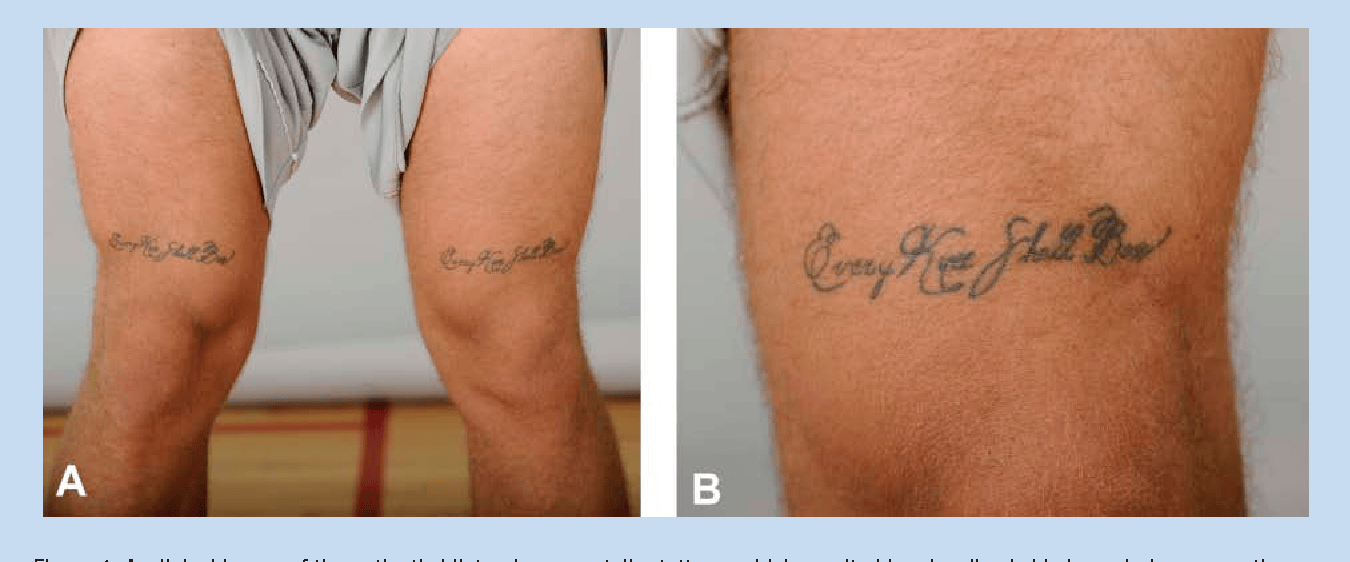
Metallic Tattoos Mri
An mri (magnetic resonance imaging) scan is a medical imaging test that uses powerful magnets and radio waves to create detailed pictures of the inside of your body. It’s commonly used for brain, spine, joint, abdominal,. It's helps a doctor diagnose a disease or injury. An mri is a test that uses powerful magnets, radio waves, and a computer to make detailed pictures of the inside of your body.
Mri Uses Strong Magnetic Fields And Radio Waves
It’s commonly used for brain, spine, joint, abdominal,. Magnetic resonance imaging, or mri, is a noninvasive medical imaging test that produces detailed images of almost every internal structure in the human body, including the organs, bones, muscles. An mri is a test that uses powerful magnets, radio waves, and a computer to make detailed pictures of the inside of your body. Magnetic resonance imaging (mri) is a medical imaging technique used in radiology to generate pictures of the anatomy and the physiological processes inside the body.
Magnetic Resonance Imaging (Mri) Is A Technique Using Magnets
It's helps a doctor diagnose a disease or injury. An mri (magnetic resonance imaging) is a test that creates clear images of structures inside your body using a large magnet, radio waves and a computer. Ct scans use ionizing radiation, which can increase cancer risk slightly, but mris do not. Ct scans are faster and better for imaging bones, while mris are better for soft tissue detail.