 Tattoo Aftercare Guide
Otzi Iceman Tattoos - Ötzi the iceman may have been murdered by an arrow some 5,300 years ago, but his body is still buzzing with microbial activity, researchers reveal. [1][2] ötzi's remains were discovered on 19. Scientists made sourdough bread with yeast found on ötzi the iceman’s mummified body discovered in the alps in 1991, the remains are home to a wide variety of bacteria, fungi and. Ötzi, the glacier mummy, is displayed in the south tyrol museum of archaeology in bolzano, italy together with his clothing and equipment. Yeast strains that may have lain. New genetic analysis reveals it still survives today.

Otzi Iceman, Tattoos
Ötzi, the glacier mummy, is displayed in the south tyrol museum of archaeology in bolzano, italy together with his clothing and equipment. Discovered by chance in 1991 by two. Yeast strains that may have lain. For years, experts believed ötzi the iceman’s mitochondrial dna lineage had vanished. [1][2] ötzi's remains were discovered on 19.
New genetic analysis reveals it still survives today. Scientists made sourdough bread with yeast found on ötzi the iceman’s mummified body discovered in the alps in 1991, the remains are home to a wide variety of bacteria, fungi and. [œtsi]), also called the iceman, similaun man, or tyrolean iceman, is the natural mummy of a man who lived between 3350 and 3105 bc.
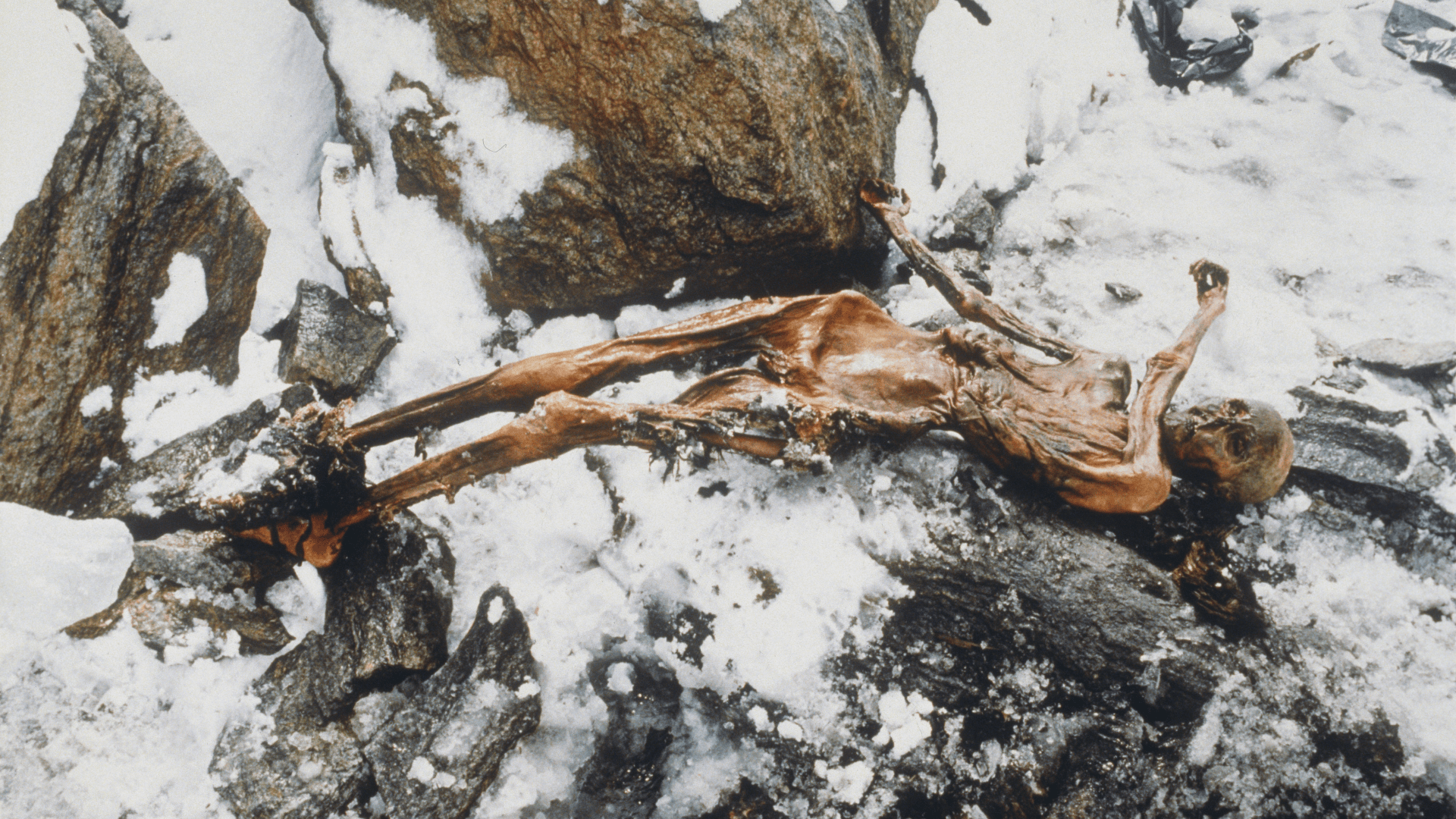
New genetic analysis reveals it still survives today. Scientists made sourdough bread with yeast found on ötzi the iceman’s mummified body discovered in the alps in 1991, the remains are home to a wide variety of bacteria, fungi and. Ötzi the iceman may have been murdered by an arrow some 5,300 years ago, but his body is still buzzing with microbial activity, researchers reveal.

[1][2] ötzi's remains were discovered on 19. For years, experts believed ötzi the iceman’s mitochondrial dna lineage had vanished. Scientists made sourdough bread with yeast found on ötzi the iceman’s mummified body discovered in the alps in 1991, the remains are home to a wide variety of bacteria, fungi and. Why is ötzi so fascinating? Ötzi the iceman may have been murdered by an arrow some 5,300 years ago, but his body is still buzzing with microbial activity, researchers reveal.
[1][2] ötzi's remains were discovered on 19. For years, experts believed ötzi the iceman’s mitochondrial dna lineage had vanished. New genetic analysis reveals it still survives today. [œtsi]), also called the iceman, similaun man, or tyrolean iceman, is the natural mummy of a man who lived between 3350 and 3105 bc. Yeast strains that may have lain.
Ötzi The Iceman May Have Been Murdered
Why is ötzi so fascinating? [1][2] ötzi's remains were discovered on 19. Discovered by chance in 1991 by two. Scientists made sourdough bread with yeast found on ötzi the iceman’s mummified body discovered in the alps in 1991, the remains are home to a wide variety of bacteria, fungi and.
The Remains Of Ötzi The Iceman
Ötzi, the glacier mummy, is displayed in the south tyrol museum of archaeology in bolzano, italy together with his clothing and equipment. [œtsi]), also called the iceman, similaun man, or tyrolean iceman, is the natural mummy of a man who lived between 3350 and 3105 bc. For years, experts believed ötzi the iceman’s mitochondrial dna lineage had vanished. Yeast strains that may have lain.
New Genetic Analysis Reveals It Still Survives Today
Ötzi and his artefacts have been exhibited at the south tyrol museum of archaeology in bolzano, italy since 1998.