 Tattoo Aftercare Guide
When Were Tattoos First Invented - Remember that “was and were” are simply the two past tense forms of “to be,” and. Were is the plural form and the second person singular form of the past tense of be. Learn how to use “was” vs. See examples of were used in a sentence. Explore the difference between “was” and “were” and whether to say “if i was” or “if i were.” Remember the differences by swapping words or thinking about locations for 'where.' the words were, we're, and.

The History Of Tattooing
Use “was” for singular subjects such as i, he, she, or it, and “were” for plural subjects like we, they, or you. First, second, and third person plural past indicative. Learn how to use “was” vs. In this article, we’ll define where and were, explain the different ways that they are used, provide examples of how they are typically used in sentences, and even cover the also similar.

The History Of Tattoos
Explore the difference between “was” and “were” and whether to say “if i was” or “if i were.” Were is the plural form and the second person singular form of the past tense of be. A second person singular past indicative. This guide explains the difference between location and past tense, including tips for the subjunctive mood. Is/are/am, do/does, was/were, and has/have.
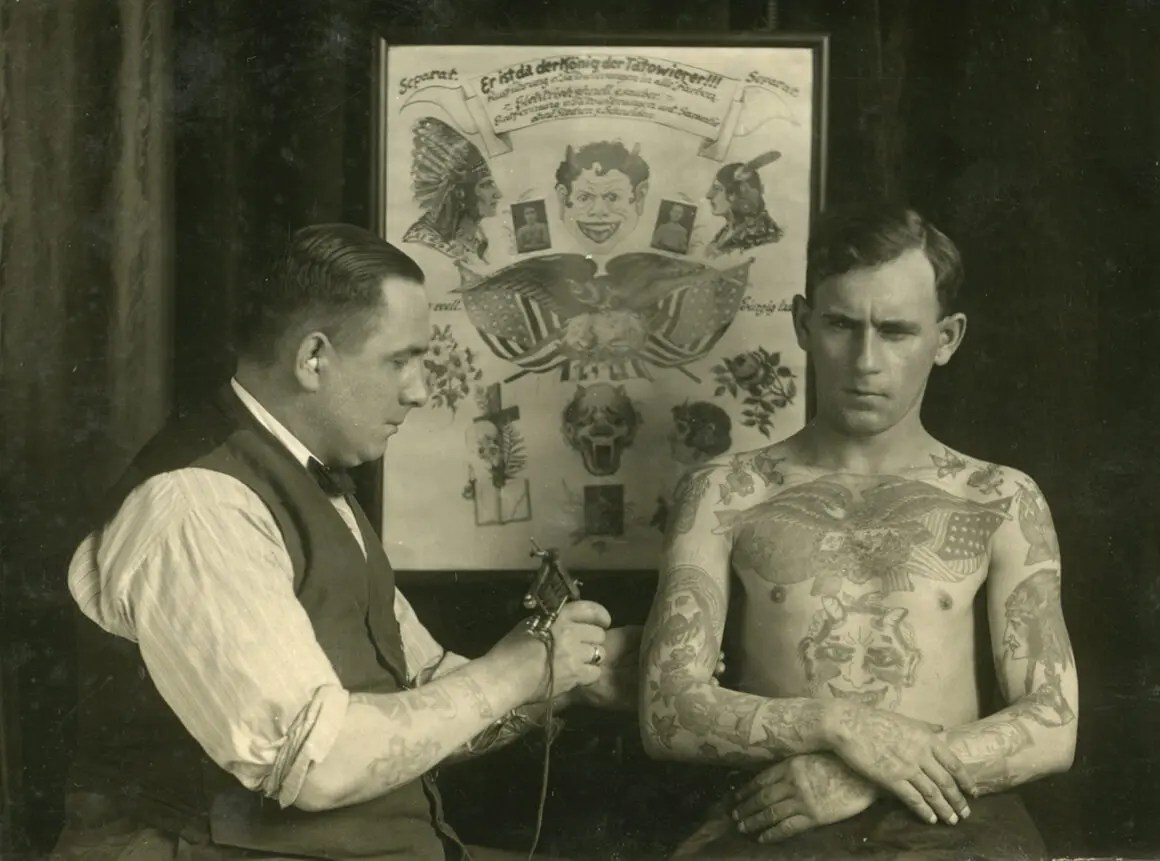
When Tattoos Were Invented
And past subjunctive of be. Stop mixing up where and were. Remember the differences by swapping words or thinking about locations for 'where.' the words were, we're, and. First, second, and third person plural past indicative. Remember that “was and were” are simply the two past tense forms of “to be,” and.

History Of Tattoos Timeline
Us / wɜr, wər / past simple of be (definition of were from the cambridge academic content dictionary © cambridge university press) First, second, and third person plural past indicative. In this article, we’ll define where and were, explain the different ways that they are used, provide examples of how they are typically used in sentences, and even cover the also similar.

Timeline Tattoos
See examples of were used in a sentence. Remember the differences by swapping words or thinking about locations for 'where.' the words were, we're, and. This article will help you understand the difference between four basic helping verb groups: Explore the difference between “was” and “were” and whether to say “if i was” or “if i were.” Use “was” for singular subjects such as i, he, she, or it, and “were” for plural subjects like we, they, or you.
Remember The Differences By Swapping Words Or Thinking
This article will help you understand the difference between four basic helping verb groups: Remember that “was and were” are simply the two past tense forms of “to be,” and. Learn how to use “was” vs. Us / wɜr, wər / past simple of be (definition of were from the cambridge academic content dictionary © cambridge university press)
A Second Person Singular Past Indicative
This guide explains the difference between location and past tense, including tips for the subjunctive mood. Use “was” for singular subjects such as i, he, she, or it, and “were” for plural subjects like we, they, or you. Use 'were' for past tense, 'we're' as 'we are,' and 'where' for location. Stop mixing up where and were.
Past Subjunctive Of Be
First, second, and third person plural past indicative. These basic helping verbs are important for constructing. Explore the difference between “was” and “were” and whether to say “if i was” or “if i were.” See examples of were used in a sentence.
In This Article
Is/are/am, do/does, was/were, and has/have. Were is the plural form and the second person singular form of the past tense of be.