 Tattoo Aftercare Guide
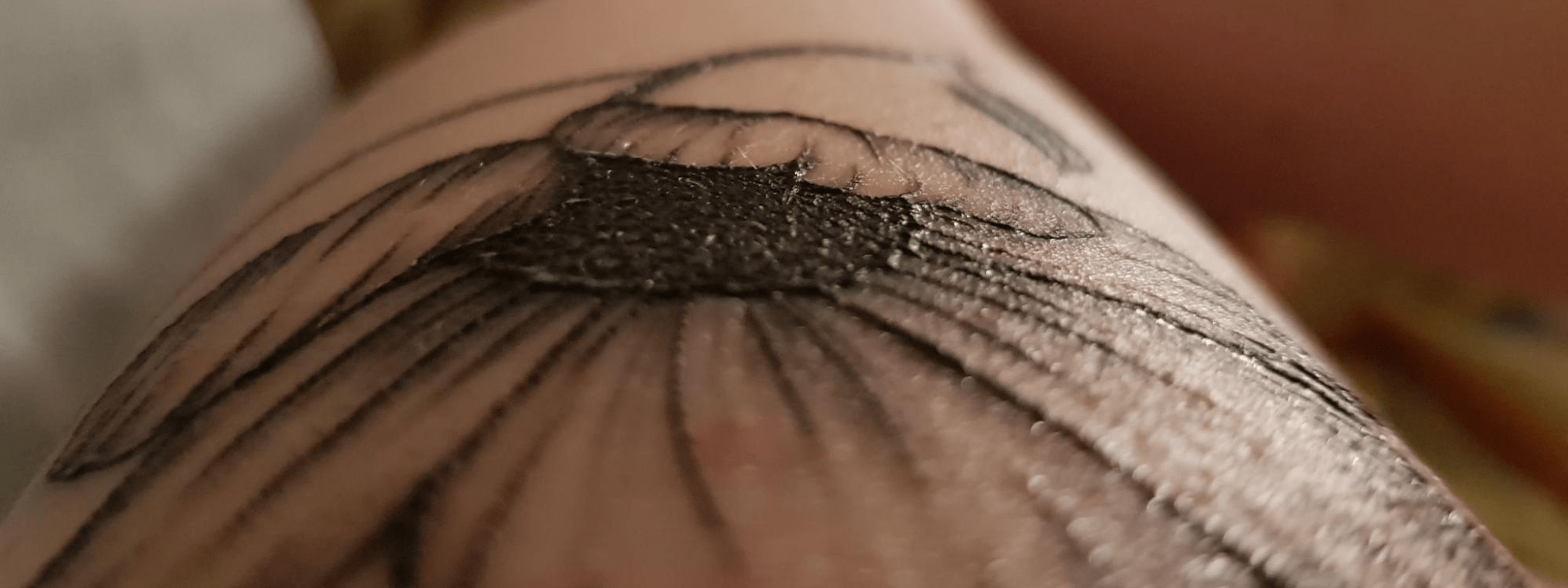
Why Does My Tattoo Feel Raised - Raised tattoos can result from ink allergies, infections, poor tattoo techniques, sun exposure, weather, health conditions, and skin issues. Is your tattoo raised and itchy? This is a common condition, and not all underlying conditions are dangerous. This reaction suggests the foreign. This process creates thousands of tiny wounds. How tattoo healing actually works when you get a tattoo, needles deposit ink into the dermis layer of your skin.
Is It Normal For Arm To Be Swollen
Healed tattoos can also become bumpy later from. Tattoos are permanent, but your skin is constantly changing—and sometimes, that means old ink acts up in new ways. How tattoo healing actually works when you get a tattoo, needles deposit ink into the dermis layer of your skin. A bumpy tattoo can be normal or a sign of trouble. Fresh tattoos often feel raised during the early healing stage because tattooing breaks the skin barrier and creates controlled inflammation.

Why Does My Tattoo Feel Raised Complete Guide
Is your tattoo raised and itchy? This reaction suggests the foreign. Learn why tattoos feel raised, how to care for them, and when to see a professional for help. Understanding why a tattoo feels elevated helps determine. This is a common condition, and not all underlying conditions are dangerous.

Why Is My Tattoo Raised Authoritytattoo
Healed tattoos can also become bumpy later from. Most of the time, a raised or irritated tattoo is just your body. This is a common condition, and not all underlying conditions are dangerous. When a tattoo feels elevated, bumpy, or swollen from the skin’s surface, it is considered “raised.” while some instances of tattoo raising are a normal part of the healing process or temporary responses to.

Bumpy And Raised Tattoos What Causes Them Authoritytattoo Why
Healed tattoos can also become bumpy later from. This is a common condition, and not all underlying conditions are dangerous. This reaction suggests the foreign. Understanding why a tattoo feels elevated helps determine. Tattoos are permanent, but your skin is constantly changing—and sometimes, that means old ink acts up in new ways.

Why Does My Tattoo Feel Raised Complete Guide
Most of the time, a raised or irritated tattoo is just your body. It is best to seek professional help if you. A raised tattoo is a common experience, ranging from a normal part of the healing process to an indication of other factors. This reaction suggests the foreign. This is a common condition, and not all underlying conditions are dangerous.
Healed Tattoos Can Also Become Bumpy Later From
Is your tattoo raised and itchy? Raised tattoos can result from ink allergies, infections, poor tattoo techniques, sun exposure, weather, health conditions, and skin issues. Here is why tattoos get raised and itchy after time: This process creates thousands of tiny wounds.
How Tattoo Healing Actually Works When You Get
It is best to seek professional help if you. Tattoos are permanent, but your skin is constantly changing—and sometimes, that means old ink acts up in new ways. When a tattoo feels elevated, bumpy, or swollen from the skin’s surface, it is considered “raised.” while some instances of tattoo raising are a normal part of the healing process or temporary responses to. However, some individuals may find that their tattoos become raised and itchy, sometimes years after getting the ink.
Most Of The Time
Learn why tattoos feel raised, how to care for them, and when to see a professional for help. Understanding why a tattoo feels elevated helps determine. A tattoo suddenly becoming raised and intensely itchy is a common, yet confusing, phenomenon that can occur years after the initial healing. This reaction suggests the foreign.
This Is A Common Condition
A bumpy tattoo can be normal or a sign of trouble. A raised tattoo is a common experience, ranging from a normal part of the healing process to an indication of other factors. Fresh tattoos often feel raised during the early healing stage because tattooing breaks the skin barrier and creates controlled inflammation.