 Tattoo Aftercare Guide
Worn Well Tattoos - Us / wɔrn, woʊrn / past participle of wear (definition of worn from the cambridge academic content dictionary © cambridge university press) “wore” is the simple past tense of the verb “to wear.” we use it when somebody was “wearing” something in the past. See examples of worn used in a sentence. Diminished in value or usefulness through wear, use, handling, etc. “worn” is the past participle of the same verb, which. Damaged by long use “ worn threads on the screw” “a worn suit” “the worn pockets on the jacket” synonyms:

Sunfade Fixes Refreshing Your Summerworn Tattoos (Touchups & Cover
“worn” is the past participle of the same verb, which. Both words come from the verb “to wear” but they serve different purposes in sentences. Damaged by long use “ worn threads on the screw” “a worn suit” “the worn pockets on the jacket” synonyms: Worn is used to describe something that is damaged or thin because it is old and has been used a lot.

Worn Well Tattoos Sandusky Oh
Us / wɔrn, woʊrn / past participle of wear (definition of worn from the cambridge academic content dictionary © cambridge university press) To be dressed in or carry on (a part of) the body. It means you used something like clothes, shoes, or jewelry in the. Wore is the simple past tense. Both words come from the verb “to wear” but they serve different purposes in sentences.
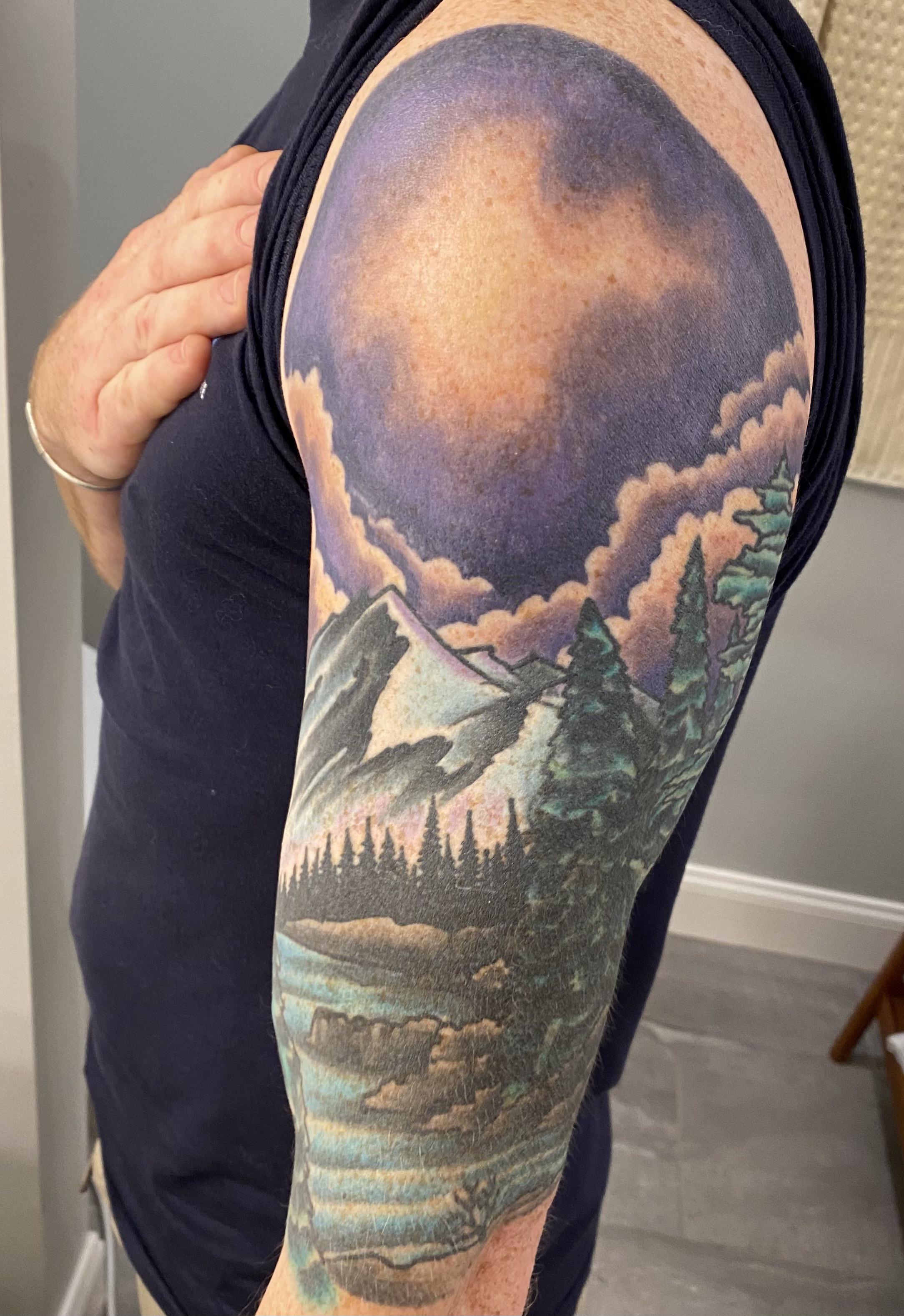
It’s Aged Well Coverup Byjason Stowell
Both words come from the verb “to wear” but they serve different purposes in sentences. Tired, exhausted, weary, drained, wearied, beaten, done, beat. See examples of worn used in a sentence. “wore” is the simple past tense of the verb “to wear.” we use it when somebody was “wearing” something in the past. The meaning of worn is past participle of wear.

Tattoos And Aging
Most of the trek is along worn paths. Damaged by long use “ worn threads on the screw” “a worn suit” “the worn pockets on the jacket” synonyms: Rested, unwearied, fresh, rejuvenated, relaxed, refreshed, active, strengthened It means you used something like clothes, shoes, or jewelry in the. Us / wɔrn, woʊrn / past participle of wear (definition of worn from the cambridge academic content dictionary © cambridge university press).

Chalice Well Tattoos
Wore or worn explained clearly with simple rules, examples, and mistakes to help learners choose the correct word every time. Wore is the simple past tense. The meaning of worn is past participle of wear. Worn is used to describe something that is damaged or thin because it is old and has been used a lot. Rested, unwearied, fresh, rejuvenated, relaxed, refreshed, active, strengthened.
Tired, Exhausted, Weary, Drained, Wearied, Beaten, Done, Beat
Wore or worn explained clearly with simple rules, examples, and mistakes to help learners choose the correct word every time. “wore” is the simple past tense of the verb “to wear.” we use it when somebody was “wearing” something in the past. Worn rugs increase the danger of tripping. To be dressed in or carry on (a part of) the body.
See Examples Of Worn Used In A Sentence
It means you used something like clothes, shoes, or jewelry in the. Most of the trek is along worn paths. “worn” is the past participle of the same verb, which. Wore is the simple past tense.
Us / Wɔrn
Diminished in value or usefulness through wear, use, handling, etc. Both words come from the verb “to wear” but they serve different purposes in sentences. Rested, unwearied, fresh, rejuvenated, relaxed, refreshed, active, strengthened Damaged by long use “ worn threads on the screw” “a worn suit” “the worn pockets on the jacket” synonyms:
Worn Is Used To Describe Something
The meaning of worn is past participle of wear.