 TikTok Trend Analysis
Tiktok.ban - With the app being owned by a Chinese company, many governments have voiced apprehensions about data security and the potential for user information to be accessed by foreign entities. Many users have found themselves in a state of confusion, wondering how the ban affects their online presence and what alternatives exist for their creative outlets. By branching out to multiple channels, content creators can ensure they remain connected with their audience regardless of changes in the digital landscape. The sudden disappearance of a platform that provided not only entertainment but also a livelihood for many has sparked a wave of innovation and adaptation among users. Additionally, issues related to misinformation and the impact of social media on mental health have also contributed to the growing scrutiny of the platform. The ban, initially considered a temporary measure, has turned into a more permanent solution for some nations, resulting in a ripple effect across the digital landscape.

How To Get More Engagement On Tiktok 12 Smart
As of 2026, the TikTok ban has become a significant topic of discussion around the globe. In this article, we delve into the reasons behind the ban and its implications for content creators and everyday users alike. However, concerns regarding data privacy, national security, and the influence of foreign entities have led several countries to reconsider their stance on the platform.

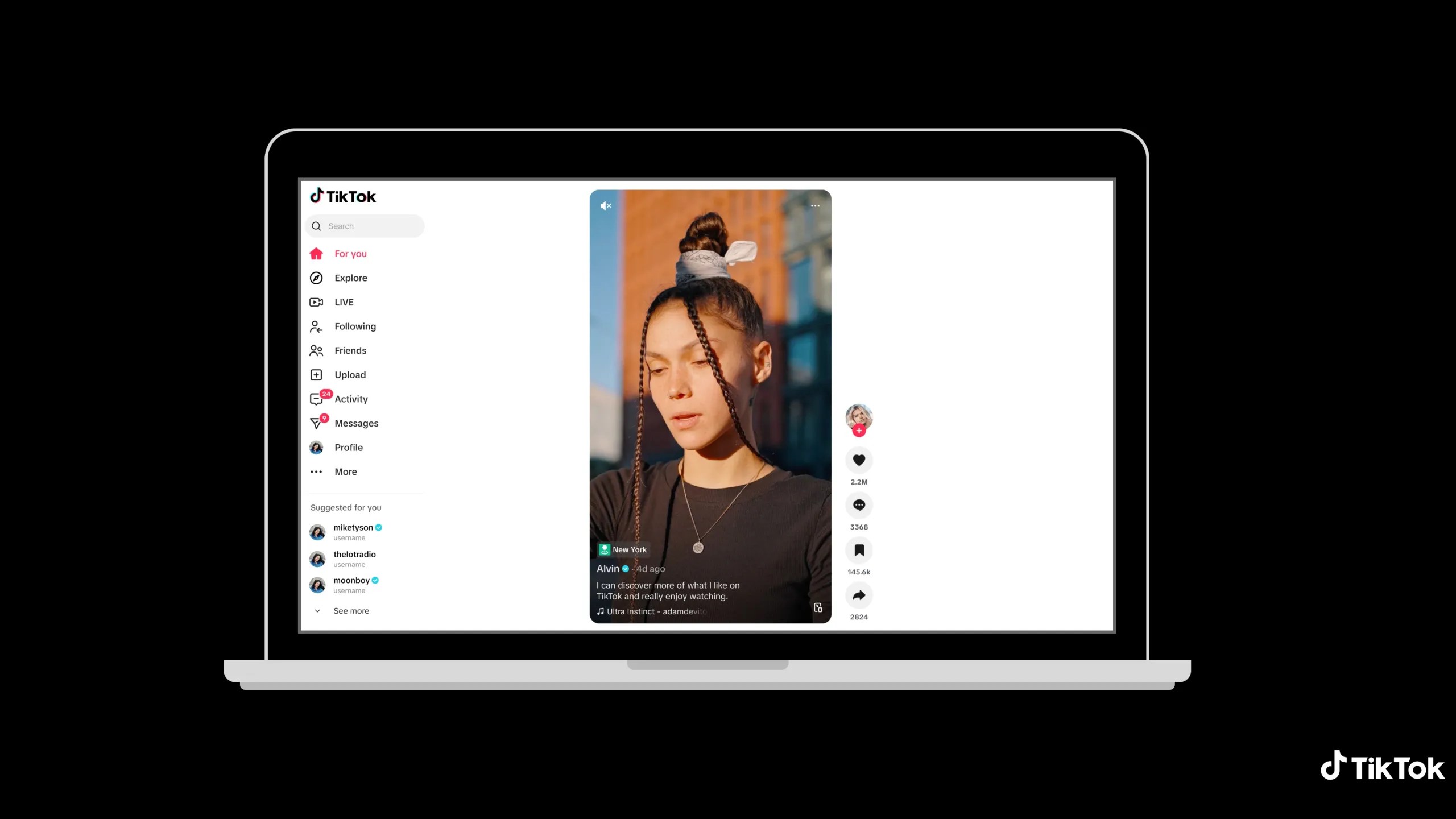
Tiktok User Interface
Governments argue that TikTok may pose a threat to national security, leading to calls for stricter regulations or outright bans. In this article, we delve into the reasons behind the ban and its implications for content creators and everyday users alike. Content creators are now exploring alternative platforms that allow them to share their videos and engage with audiences. This shift encourages creativity and the exploration of new formats and styles in content creation.
You Can Now Use Libreoffice In Your Browser Here's
As of 2026, the TikTok ban has become a significant topic of discussion around the globe. As we move forward, the lessons learned from the TikTok ban may shape the way social media platforms operate and how users engage with them, emphasizing the need for transparency and user control over personal data. The ban, initially considered a temporary measure, has turned into a more permanent solution for some nations, resulting in a ripple effect across the digital landscape.

Introducing More Ways To Create And Connect With Tiktok
Governments argue that TikTok may pose a threat to national security, leading to calls for stricter regulations or outright bans. The app, which started as a platform for sharing short videos, quickly rose to prominence, captivating millions with its creative content and viral trends. Additionally, issues related to misinformation and the impact of social media on mental health have also contributed to the growing scrutiny of the platform.

Tiktok Summarized Ads, Bloggers, Audience And Promotion
In an age where personal data is highly valued and often exploited, these concerns have not been taken lightly. This shift encourages creativity and the exploration of new formats and styles in content creation. Governments argue that TikTok may pose a threat to national security, leading to calls for stricter regulations or outright bans. This has led to a broader examination of how social media platforms operate and the responsibilities they hold in safeguarding user information.
This Has Led To A Broader Examination Of How
The app, which started as a platform for sharing short videos, quickly rose to prominence, captivating millions with its creative content and viral trends. Additionally, issues related to misinformation and the impact of social media on mental health have also contributed to the growing scrutiny of the platform. Governments argue that TikTok may pose a threat to national security, leading to calls for stricter regulations or outright bans. Additionally, the ban has prompted discussions about the importance of diversifying one's online presence rather than relying solely on a single platform.
Many Countries Have Initiated Discussions On Digital Sovereignty
As we move forward, the lessons learned from the TikTok ban may shape the way social media platforms operate and how users engage with them, emphasizing the need for transparency and user control over personal data. In an age where personal data is highly valued and often exploited, these concerns have not been taken lightly. As of 2026, the TikTok ban has become a significant topic of discussion around the globe. The sudden disappearance of a platform that provided not only entertainment but also a livelihood for many has sparked a wave of innovation and adaptation among users.
Concerns Regarding Data Privacy
With the app being owned by a Chinese company, many governments have voiced apprehensions about data security and the potential for user information to be accessed by foreign entities. The ban, initially considered a temporary measure, has turned into a more permanent solution for some nations, resulting in a ripple effect across the digital landscape. Content creators are now exploring alternative platforms that allow them to share their videos and engage with audiences. The Future of Content Creation Post-Ban.
The Tiktok Ban
In this article, we delve into the reasons behind the ban and its implications for content creators and everyday users alike. This shift encourages creativity and the exploration of new formats and styles in content creation. Many users have found themselves in a state of confusion, wondering how the ban affects their online presence and what alternatives exist for their creative outlets. By branching out to multiple channels, content creators can ensure they remain connected with their audience regardless of changes in the digital landscape.