 Cat Health Resources
How Do Cats Get Feline Leukemia - Dive into this full explanation of the feline leukemia virus in cats. The virus is transmitted from cat to cat through close social contact, including mutual grooming, sharing food bowls and litter boxes or trays, and close. Any close contact among cats can spread felv, including bite wounds, mutual grooming, or sharing. Felv is passed from one cat to another through saliva, blood, and to some. Felv can be transmitted from infected cats when the transfer of saliva or nasal secretions is involved. Feline leukemia virus is transmitted between cats via infected saliva and urine.
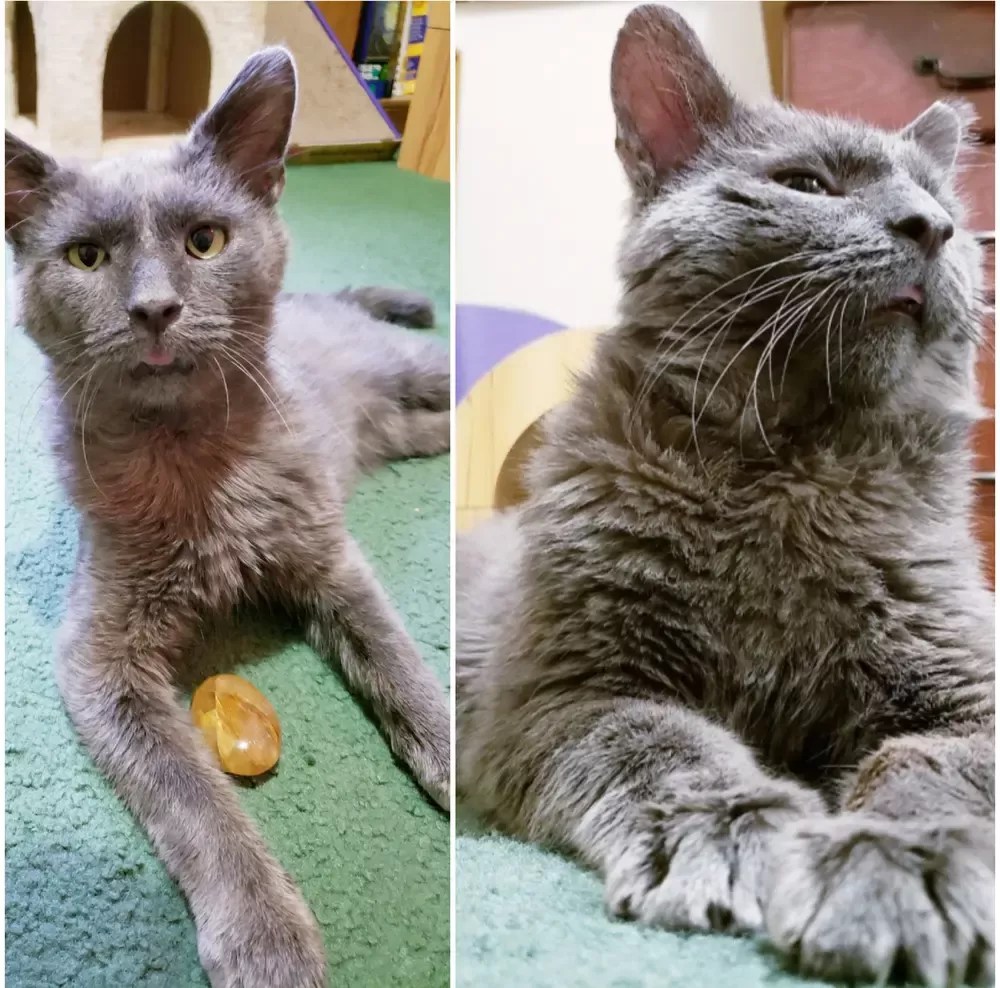
Exploring Feline Leukemia
How does a cat get feline leukemia? How do cats get feline leukemia? Feline leukemia virus is transmitted between cats via infected saliva and urine. Direct contact with these body fluids, mutual grooming, shared litter boxes and food dishes, and fighting (bite wounds) all. Cats contract feline leukemia virus (felv) primarily through close contact with infected cats, especially via saliva, such as grooming or sharing food bowls.

Feline Leukemia Virus Pete Wedderburn Dvm
Felv is passed from one cat to another through saliva, blood, and to some. The virus is transmitted from cat to cat through close social contact, including mutual grooming, sharing food bowls and litter boxes or trays, and close. A cat with felv sheds a large quantity of. How does a cat get feline leukemia? Direct contact with these body fluids, mutual grooming, shared litter boxes and food dishes, and fighting (bite wounds) all.

How Do Cats Get Feline Leukemia
Feline leukemia virus is transmitted between cats via infected saliva and urine. It is spread most commonly from those exposed to one another for longer periods of time through mutual grooming, mating, or shared food/water/litter. Felv can be transmitted from infected cats when the transfer of saliva or nasal secretions is involved. The virus is not persistent in the environment and typically only survives a couple hours outside a cat’s body.

Feline Leukemia Artofit
The virus is not persistent in the environment and typically only survives a couple hours outside a cat’s body. Felv can be transmitted from infected cats when the transfer of saliva or nasal secretions is involved. A cat with felv sheds a large quantity of. Cats contract feline leukemia virus (felv) primarily through close contact with infected cats, especially via saliva, such as grooming or sharing food bowls.

Cats With Feline Leukemia
Dive into this full explanation of the feline leukemia virus in cats. Felv is passed from one cat to another through saliva, blood, and to some. Feline leukemia virus (felv) is a retrovirus that infects cats. Any close contact among cats can spread felv, including bite wounds, mutual grooming, or sharing. Cats contract feline leukemia virus (felv) primarily through close contact with infected cats, especially via saliva, such as grooming or sharing food bowls.
Dive Into This Full Explanation Of The Feline Leukemia
Cats contract feline leukemia virus (felv) primarily through close contact with infected cats, especially via saliva, such as grooming or sharing food bowls. Felv is passed from one cat to another through saliva, blood, and to some. The virus is not persistent in the environment and typically only survives a couple hours outside a cat’s body. Direct contact with these body fluids, mutual grooming, shared litter boxes and food dishes, and fighting (bite wounds) all.
Any Close Contact Among Cats Can Spread Felv
Feline leukemia virus is transmitted between cats via infected saliva and urine. Feline leukemia virus (felv) is a retrovirus that infects cats. It is spread most commonly from those exposed to one another for longer periods of time through mutual grooming, mating, or shared food/water/litter. How do cats get feline leukemia?
A Cat With Felv Sheds A Large Quantity Of
Felv can be transmitted from infected cats when the transfer of saliva or nasal secretions is involved. Persistently infected cats shed infectious viral particles in saliva, as well as in feces, urine and milk. How does a cat get feline leukemia? Felv in cats is spread through saliva.
Learn What The Signs Are
Felv is only contagious to cats and doesn’t affect people, dogs, or other animals. The virus is transmitted from cat to cat through close social contact, including mutual grooming, sharing food bowls and litter boxes or trays, and close. The virus is fragile and cannot survive longer than a few hours outside of the cat. Direct contact between cats is the most frequent method of felv infection.