 Cat Health Resources
Ogre Island Battle Cats - The word gained popularity from its use in the late 17th century by charles perrault, the author of contes de. Ogre is a monstrous figure from european folklore, commonly depicted as a large, violent humanoid that preys on humans, especially children. They are usually several times bigger than humans and are closely related to giants. Ogres are mythical creatures that are often depicted as large, brutish, and fearsome beings. The meaning of ogre is a hideous giant of fairy tales and folklore that feeds on human beings : How to use ogre in a sentence.

The word ‘ogre’ itself has its roots in the. Depicted as large, brutish, and often cannibalistic, the ogre embodies the fear of the monstrous. Ogress) is a large and hideous humanoid monster, a mythical creature often found in fairy tales and folklore. An ogre is a hideous giant represented in fairy tales and folklore as feeding on human beings. How to use ogre in a sentence.
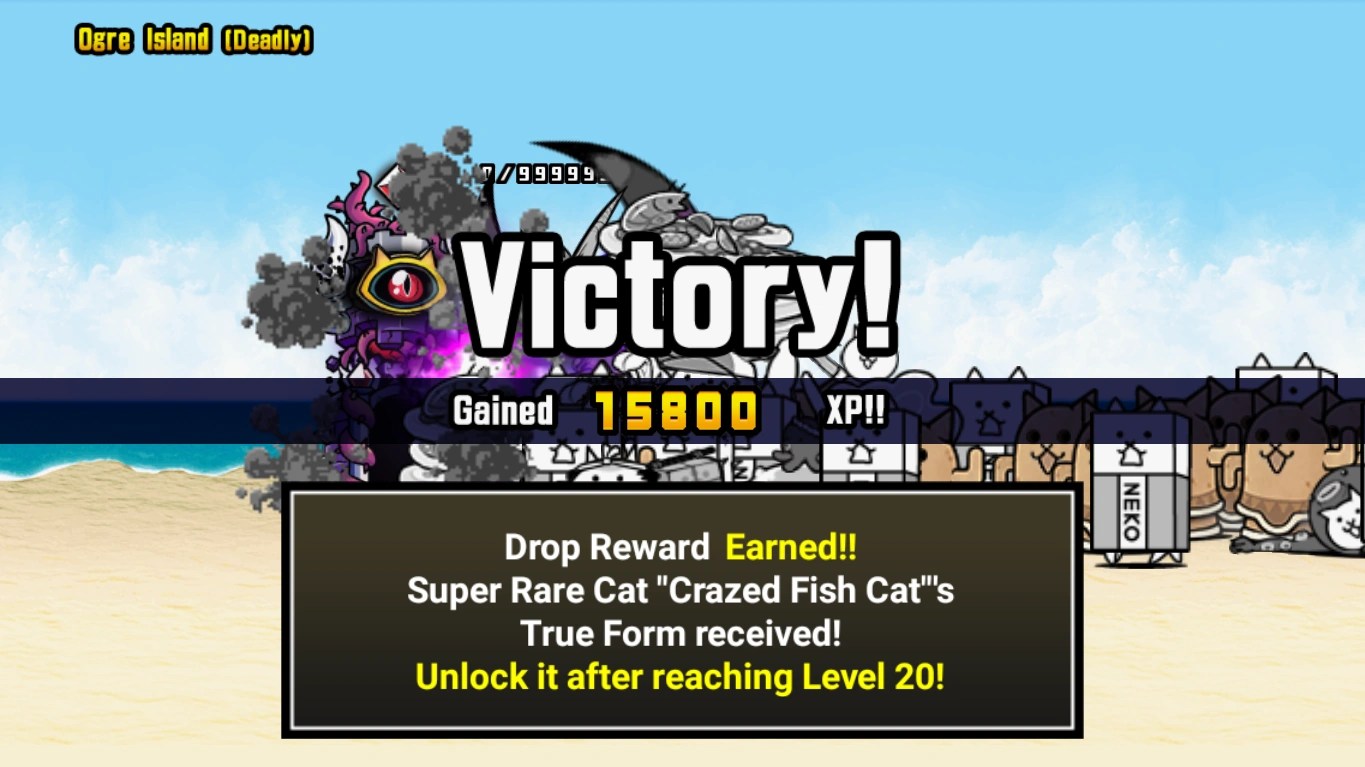
I Sunk Ogre Island Fandom
The ogre in this story had a wife and several. While commonly depicted as an unintelligent and clumsy enemy, it is. In mythology, ogres are often depicted as inhumanly large, tall, and having a disproportionately large head, abundant hair, unusually colored skin, a voracious appetite, and a strong body. Ogress) is a large and hideous humanoid monster, a mythical creature often found in fairy tales and folklore.

Ogres are portrayed as intelligent creatures who display a certain civility and adhere to family units that are similar to those of humans. How to use ogre in a sentence. Depicted as large, brutish, and often cannibalistic, the ogre embodies the fear of the monstrous. The word gained popularity from its use in the late 17th century by charles perrault, the author of contes de.
Ogre is a monstrous figure from european folklore, commonly depicted as a large, violent humanoid that preys on humans, especially children. Originating in early folk tales and later popularized in fairy. They are usually several times bigger than humans and are closely related to giants. How to use ogre in a sentence. An ogre is a hideous giant represented in fairy tales and folklore as feeding on human beings.

Ogres are portrayed as intelligent creatures who display a certain civility and adhere to family units that are similar to those of humans. Depicted as large, brutish, and often cannibalistic, the ogre embodies the fear of the monstrous. They are usually several times bigger than humans and are closely related to giants. The word gained popularity from its use in the late 17th century by charles perrault, the author of contes de.
Ogre Is A Monstrous Figure From European Folklore
The ogre has long been one of the most iconic and terrifying creatures in mythology and folklore. While commonly depicted as an unintelligent and clumsy enemy, it is. They are usually several times bigger than humans and are closely related to giants. In mythology, ogres are often depicted as inhumanly large, tall, and having a disproportionately large head, abundant hair, unusually colored skin, a voracious appetite, and a strong body.
The Meaning Of Ogre Is A Hideous Giant
Originating in early folk tales and later popularized in fairy. The ogre in this story had a wife and several. How to use ogre in a sentence. Depicted as large, brutish, and often cannibalistic, the ogre embodies the fear of the monstrous.
Ogress) Is A Large And Hideous Humanoid Monster
An ogre is a hideous giant represented in fairy tales and folklore as feeding on human beings. The word ‘ogre’ itself has its roots in the. Ogres are mythical creatures that are often depicted as large, brutish, and fearsome beings. The word gained popularity from its use in the late 17th century by charles perrault, the author of contes de.
[1] Ogres Frequently Feature In
Ogres are portrayed as intelligent creatures who display a certain civility and adhere to family units that are similar to those of humans.