 Insurance Coverage Insights
Self Insured Retention Meaning - Some policies allow for aggregate retentions, meaning once a total threshold is met, the insurer assumes responsibility for additional claims. Before the insurance policy can take care of any damage, defense or loss, the insured needs to pay this clearly defined amount. Under a policy written with an sir provision, the insured (rather than the insurer) pays the defense and/or indemnity costs associated with a claim until the sir limit is reached. By requiring insureds to pay a set amount toward claims out of their own pocket, insurers are able to provide coverage more broadly and at more affordable rates. In contrast, a deductible policy often requires the insurer to cover your losses immediately, and then collect reimbursement from you afterward. However, this must be explicitly outlined in the policy.

What Is Self Insured Retention? Sir How It Works?
However, this must be explicitly outlined in the policy. Some policies allow for aggregate retentions, meaning once a total threshold is met, the insurer assumes responsibility for additional claims. Organizations can use it as a risk management tool to reduce the cost of insurance premiums. Before the insurance policy can take care of any damage, defense or loss, the insured needs to pay this clearly defined amount.

Selfinsured Retention Transglobal Adjusting
Under a policy written with an sir provision, the insured (rather than the insurer) pays the defense and/or indemnity costs associated with a claim until the sir limit is reached. Organizations can use it as a risk management tool to reduce the cost of insurance premiums. However, this must be explicitly outlined in the policy. Before the insurance policy can take care of any damage, defense or loss, the insured needs to pay this clearly defined amount.

Selfinsured Retention Explained The Dehayes Group
In contrast, a deductible policy often requires the insurer to cover your losses immediately, and then collect reimbursement from you afterward. Before the insurance policy can take care of any damage, defense or loss, the insured needs to pay this clearly defined amount. However, this must be explicitly outlined in the policy. Organizations can use it as a risk management tool to reduce the cost of insurance premiums.

Selfinsured Retention Archives Redwood Agency Group
A key difference between them is that a deductible reduces the limit of insurance while an sir does not. By requiring insureds to pay a set amount toward claims out of their own pocket, insurers are able to provide coverage more broadly and at more affordable rates. Some policies allow for aggregate retentions, meaning once a total threshold is met, the insurer assumes responsibility for additional claims.
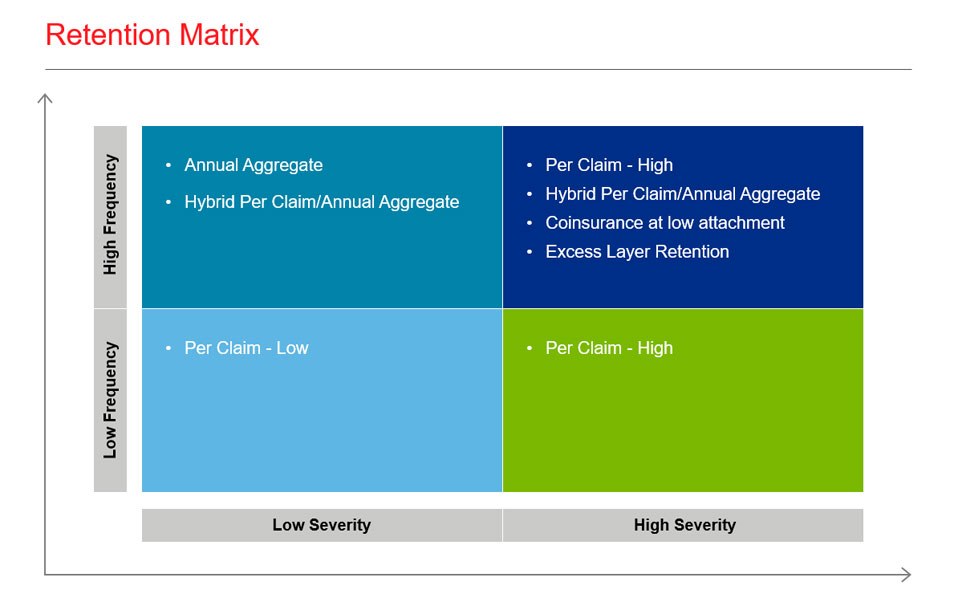
Self Insured Retention Policy Kenyachambermines
However, this must be explicitly outlined in the policy. It’s like a deductible in a conventional insurance policy, except it’s utilized in umbrella coverage. A key difference between them is that a deductible reduces the limit of insurance while an sir does not. Some policies allow for aggregate retentions, meaning once a total threshold is met, the insurer assumes responsibility for additional claims.
By Requiring Insureds To Pay A Set Amount Toward
Organizations can use it as a risk management tool to reduce the cost of insurance premiums. A key difference between them is that a deductible reduces the limit of insurance while an sir does not. Some policies allow for aggregate retentions, meaning once a total threshold is met, the insurer assumes responsibility for additional claims. It’s like a deductible in a conventional insurance policy, except it’s utilized in umbrella coverage.
Before The Insurance Policy Can Take Care Of Any
In contrast, a deductible policy often requires the insurer to cover your losses immediately, and then collect reimbursement from you afterward. However, this must be explicitly outlined in the policy. Under a policy written with an sir provision, the insured (rather than the insurer) pays the defense and/or indemnity costs associated with a claim until the sir limit is reached.